Author: Julie Graham

Full Mouth Dental Implants Cost: Everything You Need to Know About the Price and Value

When it comes to restoring a smile, full mouth dental implants are a transformative solution, providing long-term functionality and aesthetics. However, many people are unsure about the costs involved in such a significant procedure. The price of full mouth dental implants can vary greatly depending on a range of factors. Understanding these factors and knowing what to expect can help you make informed decisions when considering this life-changing treatment. In this article, we’ll break down the cost, explore the factors that influence pricing, and provide helpful tips on how to manage the financial aspects of dental implants.

What Are Full Mouth Dental Implants?

Full mouth dental implants are a popular solution for patients who have lost most or all of their teeth. They consist of titanium posts embedded in the jawbone, acting as a sturdy foundation for replacement teeth. This treatment is ideal for individuals with extensive tooth loss or those who are unhappy with dentures.

  • What is a full mouth dental implant?

  • How is the procedure performed?

  • What are the benefits of full mouth dental implants over dentures?

The process involves several steps, from initial consultation and planning to the final placement of the prosthetic teeth. Patients usually experience a noticeable improvement in both function and appearance. These implants can last a lifetime, making them a valuable long-term investment.

Factors That Influence the Cost of Full Mouth Dental Implants

Understanding what affects the cost of full mouth dental implants is crucial for managing expectations. Several key factors can influence pricing:

  1. Location: The geographical location of the dental clinic plays a significant role. Major cities and more developed countries often have higher prices.

  2. Implant Materials: The quality and type of materials used for the implants will affect the overall cost. High-quality titanium implants are typically more expensive but offer longer-lasting results.

  3. Dentist’s Expertise: Highly experienced dental surgeons or specialists will charge more for their services due to their skill and reputation.

  4. Number of Implants Required: Depending on the individual case, the number of implants needed can vary, which impacts the price.

  5. Additional Treatments: If bone grafts or sinus lifts are required to ensure the implants fit properly, this will increase the total cost.

How Much Do Full Mouth Dental Implants Cost?

The average cost for full mouth dental implants can range significantly. On average, patients can expect to pay between $20,000 and $50,000 for the entire procedure, including consultation, surgery, and final placement of the implants. However, this can vary depending on several factors, such as the type of implants used, location, and the dental team performing the procedure.

  • Average Range for Full Mouth Dental Implants:

    • Low-end: $20,000 to $30,000

    • Mid-range: $30,000 to $40,000

    • High-end: $40,000 to $50,000

This cost includes the placement of both upper and lower implants, as well as any necessary treatments. It is important to note that some clinics offer financing plans to help manage the costs.

Financing and Payment Options for Full Mouth Dental Implants

The financial aspect of full mouth dental implants can be daunting for many patients, but various financing options make it more accessible.

  1. Dental Insurance: While many dental insurance plans do not cover the full cost of implants, some may cover a portion, especially if the procedure is deemed medically necessary.

  2. Financing Plans: Many dental clinics offer financing through third-party lenders, allowing patients to pay in installments.

  3. Health Savings Accounts (HSAs) or Flexible Spending Accounts (FSAs): These accounts allow patients to pay for medical procedures, including dental implants, with pre-tax dollars.

It’s always wise to ask the dental clinic about available financing options, as this can help reduce the financial burden.

Is Full Mouth Dental Implant Worth the Cost?

Full mouth dental implants offer long-term benefits that make the investment worthwhile for many patients. Here are a few reasons why they are considered a good value:

  • Longevity: With proper care, dental implants can last a lifetime, making them more cost-effective over the long term compared to dentures or bridges that need to be replaced regularly.

  • Functionality: Implants restore full functionality, allowing you to eat, speak, and smile with confidence, something that dentures may struggle with.

  • Improved Quality of Life: Beyond physical benefits, dental implants also improve overall quality of life by boosting self-esteem and restoring normal eating habits.

For most people, the cost is justified by the life-changing benefits that full mouth implants provide.

FAQs

1. How much do full mouth dental implants cost?
The cost typically ranges from $20,000 to $50,000, depending on factors such as location, materials, and the dentist’s expertise.

2. Are dental implants covered by insurance?
Dental implants are often not fully covered by insurance, but some plans may help cover a portion of the cost if the procedure is medically necessary.

3. Can I finance my full mouth dental implants?
Yes, many dental clinics offer financing plans or work with third-party lenders to help manage the cost of full mouth dental implants.

4. Do I need bone grafting for full mouth implants?
Bone grafting may be necessary if you have insufficient bone structure to support the implants. This can increase the overall cost.

5. How long do full mouth dental implants last?
With proper care, full mouth dental implants can last a lifetime, making them a cost-effective option in the long term compared to alternatives like dentures.

6. Is the procedure painful?
While the procedure itself may involve some discomfort, local anesthesia and sedation options can ensure that you are comfortable during surgery and recovery.

Conclusion

Full mouth dental implants are a highly effective solution for those looking to restore their smile and overall oral health. While the costs can be significant, the benefits—long-lasting results, improved functionality, and enhanced quality of life—make them a worthwhile investment for many. By understanding the factors that influence pricing and exploring financing options, you can better manage the financial aspect of this important procedure.

If you are considering full mouth dental implants, be sure to consult with a qualified dental professional to determine the best approach for your needs.

Can I Refuse Dental X-rays?

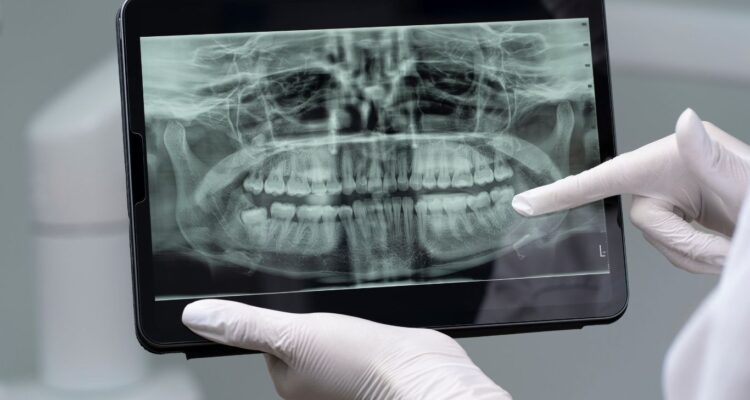
Dental X-rays are commonly used by dentists to detect issues such as cavities, gum disease, or even bone problems. While they are essential tools in diagnosing dental health, many patients wonder, “Can I refuse dental X-rays?” It’s natural to have concerns about radiation exposure or personal preferences.

In this article, we will explore whether it’s possible to refuse X-rays, the reasons dentists recommend them, and alternative options that might be available. Understanding your rights and the importance of these tests will empower you to make informed decisions about your dental care.

Why Are Dental X-rays Important?

Dental X-rays play a crucial role in detecting hidden dental issues, such as cavities between teeth, bone loss, or impacted teeth. Without X-rays, some conditions might go unnoticed until they become severe. This section discusses the importance of X-rays in preventive dental care and early detection of dental problems.

Legal and Ethical Considerations for Refusing Dental X-rays

You have the right to refuse any medical treatment, including dental X-rays. However, refusing them may affect the quality of your dental care and might result in a dentist advising against specific treatments or procedures. In some cases, dental insurance may not cover procedures if X-rays are not taken when required.

Alternative Options to Dental X-rays

While X-rays are essential, there are alternative diagnostic methods available. Your dentist might suggest other less-invasive techniques like 3D imaging or visual inspections if X-rays are not a viable option. This section will break down these alternatives and discuss their effectiveness.

The Risks of Refusing Dental X-rays

Potential Risks to Your Health

Refusing dental X-rays can lead to undiagnosed issues such as hidden cavities, infections, or early-stage gum disease. This section highlights the risks of ignoring X-rays and how they may worsen dental conditions over time.

How Ignoring X-rays Can Affect Treatment Plans

Dentists base their treatment plans on the information gathered from X-rays. Without them, a dentist may be unable to provide the most accurate or comprehensive care. This section explains how the lack of X-rays might alter the course of your treatment.

How to Refuse Dental X-rays Without Compromising Care

Discuss Your Concerns with Your Dentist

If you’re concerned about dental X-rays, the best approach is to talk openly with your dentist. This section offers advice on how to express your concerns about radiation, request alternatives, and maintain a collaborative relationship with your healthcare provider.

When to Refuse X-rays and How to Stay Safe

If you’re certain about refusing dental X-rays, it’s essential to make an informed decision. This section provides guidance on when it’s safe to say no to X-rays, ensuring that you are still actively involved in your dental care.

FAQs:

1. Can I refuse dental X-rays if I’m pregnant?
Yes, pregnant women are generally advised to avoid X-rays unless absolutely necessary. Discuss alternatives with your dentist.

2. Are there any alternatives to traditional dental X-rays?
Yes, some alternatives include 3D imaging, intraoral cameras, and visual exams, though they may not be as comprehensive as X-rays.

3. How often should I get dental X-rays?
The frequency of dental X-rays depends on your age, dental health, and risk of disease. Typically, every 1 to 3 years is recommended.

4. Can my insurance refuse to cover treatments if I refuse X-rays?
Insurance providers may limit or refuse coverage if dental X-rays are not taken, as they may be necessary for accurate diagnosis and treatment planning.

5. Are there any risks associated with dental X-rays?
While dental X-rays involve minimal radiation, the risk is considered low. However, if overused, they can contribute to cumulative radiation exposure.

Conclusion:

While you can refuse dental X-rays, it’s important to understand the potential risks to your dental health. Discussing your concerns with your dentist and exploring alternative options can help ensure you make an informed choice that aligns with your personal health and treatment preferences.

Does Dental Insurance Cover Veneers? Find Out the Truth Here

If you’re considering veneers to enhance your smile, you may be wondering, “Does dental insurance cover veneers?” The answer can be a bit complex, as dental insurance policies vary. Veneers, while a popular cosmetic dental procedure, are often not covered by insurance plans that focus primarily on preventive and restorative care. However, there are exceptions, depending on your policy, the reason for getting veneers, and whether they’re deemed medically necessary. In this article, we’ll explore how dental insurance applies to veneers, what factors influence coverage, and how you can navigate your options to get the most out of your plan.

What Are Dental Veneers?

Veneers are thin shells made of porcelain or composite resin that are bonded to the front of your teeth. They are designed to improve the appearance of teeth by fixing imperfections such as discoloration, chips, or misalignment. Veneers are typically used for cosmetic purposes, but in some cases, they can be considered medically necessary if they restore functionality to damaged teeth.

Understanding Dental Insurance Coverage for Veneers

Cosmetic vs. Medically Necessary Procedures

  • Cosmetic Veneers: Most dental insurance policies do not cover procedures considered purely cosmetic, such as veneers for improving the aesthetics of your smile.
  • Medically Necessary Veneers: If your veneers are required due to an injury or disease (e.g., restoring functionality after severe dental trauma), there’s a possibility that your dental insurance might cover a portion of the cost.

Exceptions for Special Circumstances

  • Some dental insurance plans may cover veneers in rare cases if they are needed for functional purposes, such as covering teeth that have been severely damaged by trauma or decay. If you have an underlying medical condition affecting your teeth, your insurance might view the procedure as necessary.

Key Factors That Influence Whether Veneers Are Covered

  • Insurance Plan Type: Different plans cover different services, so it’s important to check with your provider. PPO (Preferred Provider Organization) plans tend to offer more flexibility than HMO (Health Maintenance Organization) plans.

  • Dental Provider: Some dental offices may work with your insurance provider to reduce out-of-pocket costs, helping you access potential coverage options for veneers.

  • Medical Necessity: As previously mentioned, if your veneers are needed for a functional purpose (e.g., repairing teeth damaged by trauma), insurance coverage might be more likely.

How to Maximize Your Insurance Coverage for Veneers

  • Check Your Plan’s Coverage Details: Contact your dental insurance company directly to verify if veneers are covered under any circumstances. Be clear about whether you’re seeking cosmetic or functional treatment.

  • Medical Justification: If your veneers are due to medical necessity, work with your dentist to provide the necessary documentation to prove that the procedure is required for your health.

  • In-Network Providers: Choosing an in-network dental provider can significantly reduce out-of-pocket expenses. Ensure your dentist is within your insurer’s network to take full advantage of your benefits.

Alternative Ways to Finance Veneers if Insurance Won’t Cover

  • Dental Financing Plans: Many dental offices offer financing plans that allow you to spread the cost of your veneers over time.

  • Health Savings Accounts (HSAs): Some people use their HSA or Flexible Spending Account (FSA) to pay for veneers, which can be tax-advantaged.

  • Personal Loans or Credit: If your insurance doesn’t cover veneers, you may want to consider personal loans or credit cards as a way to fund the procedure.

The Cost of Veneers and Why Insurance Doesn’t Cover Them

Veneers can range from $800 to $2,500 per tooth, depending on the material used and your dentist’s location. Insurance providers typically do not cover these high costs because veneers are not considered medically necessary by most plans. However, if your veneers are deemed necessary due to injury or other health-related issues, the coverage may be more comprehensive.

How to Determine if Veneers Are Right for You

Before deciding on veneers, consult with your dentist to assess your oral health and determine whether veneers are the best option for you. Consider the long-term costs and maintenance requirements, as veneers can last anywhere from 10 to 20 years with proper care.

Frequently Asked Questions (FAQs)

Are veneers covered by dental insurance?

Typically, veneers are not covered under most insurance policies as they are considered a cosmetic procedure. However, if the procedure is deemed medically necessary, there may be coverage options.

Can dental insurance cover veneers if they are required for dental restoration?

Yes, if veneers are needed to restore function after trauma or severe dental issues, insurance may cover part of the procedure. Always check with your provider.

What can I do if my insurance doesn’t cover veneers?

You can explore financing options, including dental loans or using a Health Savings Account (HSA) or Flexible Spending Account (FSA).

How much do veneers cost without insurance?

The cost of veneers can range from $800 to $2,500 per tooth, depending on the material and location of the dental office.

Are there any dental insurance plans that cover veneers?

Some PPO plans might cover veneers if they are medically necessary. It’s important to contact your insurance provider to verify the details of your coverage.

Conclusion:

While dental insurance may not typically cover veneers due to their cosmetic nature, there are situations where coverage might be available if the procedure is medically necessary. To navigate the complexities of insurance coverage, review your policy, consult with your dentist, and explore financing options that work best for you. Whether you’re looking to enhance your smile or repair damage, understanding your insurance policy and financial options will help you make the best decision.

D2390 Dental Code: What You Need to Know for Better Dental Care

When it comes to dental procedures, understanding dental codes can be confusing, especially if you are not familiar with the world of dentistry. One of the most commonly referenced codes is the D2390 dental code. This code, like many others, is used to categorize and bill certain dental services. If you’ve ever wondered about the D2390 dental code, its significance, and how it relates to your dental treatments, you’re in the right place.

In this article, we will break down what the D2390 dental code is, how it impacts patients and dental professionals, and why it matters when it comes to insurance coverage and billing. Whether you are a patient, dental professional, or someone simply looking to understand more about dental insurance codes, this guide is for you.

What is the D2390 Dental Code?

The D2390 dental code refers to a specific procedure within the category of composite fillings. This particular code is used when a dentist places a multi-surface composite restoration in the posterior teeth. The posterior teeth are the back teeth, including your molars and premolars, which are used for chewing food. The multi-surface composite restoration is a dental filling that covers multiple surfaces of a tooth, making it necessary to use this code for proper billing and insurance purposes.

A composite restoration is a type of dental filling material that blends well with the natural color of your teeth. This makes it a popular choice for fillings in visible areas, especially when aesthetics are a concern. However, composite fillings can also be used for posterior teeth to restore damaged or decayed teeth without the metal appearance of traditional fillings.

When is the D2390 Code Used?

The D2390 dental code is used in situations where a composite filling is placed on two or more surfaces of a posterior tooth. A typical use case for this code is when a tooth has moderate to extensive decay, and a simple one-surface filling would not suffice to restore the tooth’s function and structure.

For example, if you have a molar with decay on its top and side surfaces, a composite restoration would be necessary. The dentist would remove the decayed portion, clean the area, and then fill it with a composite material that bonds to the tooth, restoring its strength and functionality. This multi-surface approach is covered under the D2390 dental code.

How Does the D2390 Code Affect Dental Insurance?

Dental codes are essential for processing insurance claims. Insurance companies rely on these codes to determine the type of procedure performed and whether it is covered under your plan. The D2390 code plays a significant role in how much you will pay for your dental treatment.

Since the D2390 code is for composite restorations, it often comes with a higher cost than single-surface fillings. This is because multiple surfaces of a tooth are involved, and the procedure typically takes longer than a simple one-surface filling.

However, insurance coverage for the D2390 dental code varies depending on your dental plan. Some plans may fully cover the cost of the filling, while others may cover only a portion, leaving you responsible for the remaining balance. In addition, many insurance companies have a maximum annual benefit, which can affect how much of the procedure they will cover.

It’s important to review your dental insurance policy to understand how the D2390 code will impact your out-of-pocket costs. In some cases, your insurance may cover part of the cost but may not cover the full expense if the filling involves more than one surface.

The Benefits of Composite Restorations

Using composite fillings, as indicated by the D2390 code, offers several advantages over traditional amalgam (metal) fillings. Some of the key benefits include:

  1. Aesthetic Appeal: Composite fillings are tooth-colored, making them an ideal choice for restoring visible teeth, especially in the front and upper areas of the mouth. This helps maintain a natural appearance.

  2. Better Bonding: Composite materials bond directly to the tooth, which helps to restore its natural strength. This bond also helps reduce the risk of the filling falling out.

  3. Less Drilling: Composite fillings often require less removal of the natural tooth structure compared to amalgam fillings, making the procedure less invasive.

  4. Durability: Composite fillings are durable and resistant to wear and tear, particularly when used for posterior teeth. This makes them suitable for individuals who require fillings on multiple surfaces of their back teeth.

  5. Fewer Sensitivity Issues: Many patients experience less post-treatment sensitivity with composite fillings compared to amalgam fillings. This is because composite materials don’t expand or contract as much with temperature changes.

What to Expect During a D2390 Procedure

The process for receiving a D2390 dental filling is similar to other composite fillings, but with a few extra steps due to the multi-surface nature of the restoration.

  1. Consultation and Diagnosis: During your dental exam, your dentist will check for any signs of decay. If they find that a tooth requires a composite filling on multiple surfaces, they may recommend using the D2390 dental code.

  2. Preparation: The dentist will numb the area around the tooth with a local anesthetic to ensure you are comfortable during the procedure. Then, they will remove any decayed portions of the tooth.

  3. Filling the Tooth: The dentist will apply the composite resin to the prepared tooth in layers, using a special light to harden each layer as it is placed. For multi-surface fillings, the dentist will take extra care to ensure the resin properly fills all affected areas.

  4. Shaping and Polishing: Once the filling has set, the dentist will shape and polish the restoration to match the natural contours of the tooth, ensuring a comfortable fit and appearance.

  5. Post-Treatment Care: After the procedure, you may experience some sensitivity to hot or cold temperatures, but this should subside within a few days. Be sure to follow your dentist’s aftercare instructions to ensure the longevity of your filling.

Alternatives to the D2390 Code

While the D2390 dental code is used for multi-surface composite fillings, there are other dental codes for different types of fillings and restorations. These include:

  • D2330, D2331, D2332: These codes are used for composite restorations on one or two surfaces of a tooth. They are less expensive than the D2390 code because they involve less material and work.

  • D2940: This code is for a crown, which is typically used when the tooth is too damaged to be repaired with a filling.

  • D2950: This code is for a prefabricated crown, which may be used as a temporary restoration.

If the multi-surface composite filling isn’t right for you or if your insurance does not cover the D2390 code, your dentist may recommend one of these alternatives depending on the severity of the decay and the condition of the tooth.

Conclusion

The D2390 dental code is essential for dental professionals and insurance companies when it comes to billing and coverage for multi-surface composite restorations on posterior teeth. Understanding this code can help you better navigate the costs and process of receiving dental treatments. Composite fillings offer numerous benefits, including aesthetic appeal, durability, and better bonding, making them an excellent choice for restoring back teeth. By familiarizing yourself with the D2390 code, you can ensure that you are fully informed about your dental procedures and insurance coverage.

As always, if you have questions about your dental care or need more information on dental codes, don’t hesitate to reach out to your dentist for guidance.

What Are the 3 Types of Dental Implants?

Dental implants are a long-term solution to replace missing teeth, providing both functionality and aesthetics. Whether due to injury, decay, or other reasons, missing teeth can significantly impact your confidence and overall dental health. Dental implants come in various types, each suited to different needs and situations. The three main types of dental implants—endosteal, subperiosteal, and zygomatic implants—offer unique advantages depending on the condition of your jawbone and oral health.

In this guide, we’ll dive deep into the 3 types of dental implants, explaining their differences, uses, and benefits.

1. Endosteal Implants: The Most Common Type

Endosteal implants are the most widely used type of dental implant. These implants are surgically placed into the jawbone, where they fuse with the bone over time, a process known as osseointegration.

  • Procedure: The procedure for placing endosteal implants involves a surgical operation where the dentist places a titanium post into the jawbone. After the post has fused with the bone, a crown is attached to the post.

  • Materials Used: Typically, titanium or zirconia is used for endosteal implants due to their durability and compatibility with the jawbone.

  • Ideal Candidates: These implants are ideal for individuals who have sufficient jawbone density and a healthy overall mouth condition.

Endosteal implants offer a highly effective solution for replacing missing teeth, providing stability, and supporting long-lasting results.

2. Subperiosteal Implants: For Patients with Insufficient Bone Density

Subperiosteal implants are placed beneath the gum tissue but above the jawbone. These implants are recommended for patients who lack enough healthy jawbone to support traditional endosteal implants.

  • Procedure: Unlike endosteal implants, subperiosteal implants do not require a deep insertion into the jawbone. Instead, a custom metal frame is positioned under the gums and atop the jawbone, with posts protruding through the gum tissue.

  • Materials Used: They are typically made of titanium to ensure strength and biocompatibility.

  • Ideal Candidates: People with insufficient bone density who cannot undergo bone grafting might find subperiosteal implants the right solution.

Subperiosteal implants are a good alternative for patients who do not qualify for endosteal implants due to bone loss.

3. Zygomatic Implants: A Solution for Severe Bone Loss

Zygomatic implants are a specialized type of dental implant used when there is significant bone loss in the upper jaw. They are longer than endosteal implants and are anchored into the cheekbone (zygomatic bone) rather than the jawbone.

  • Procedure: This procedure involves placing the implant into the zygomatic bone, which is located near the cheek. Due to the complexity of this surgery, zygomatic implants are usually performed by oral surgeons.

  • Materials Used: Titanium is the primary material used for zygomatic implants.

  • Ideal Candidates: Those who have severe bone loss in the upper jaw or have been unable to undergo a bone grafting procedure are the ideal candidates for zygomatic implants.

Zygomatic implants provide a highly effective solution for patients with extreme bone loss, offering both durability and a high success rate.

The Importance of Choosing the Right Dental Implant

When considering dental implants, choosing the correct type based on your specific needs is crucial. Each implant type offers a tailored solution to different dental conditions, ensuring that you receive the best possible outcome. Let’s explore the detailed benefits of each type of implant to make an informed decision:

Benefits of Endosteal Implants

  • Highly Stable: Provides strong support for the new tooth.

  • Durability: Long-lasting with proper care.

  • Natural Feel and Appearance: Mimics the natural tooth structure.

Advantages of Subperiosteal Implants

  • Less Invasive: Less jawbone surgery required.

  • Ideal for Bone Loss: A solution for those with insufficient jawbone.

  • Shorter Recovery Time: Generally quicker recovery compared to other types.

The Benefits of Zygomatic Implants

  • For Severe Bone Loss: Perfect for patients with advanced bone deterioration.

  • Minimal Need for Bone Grafting: Reduces the need for complex bone grafting procedures.

  • High Success Rate: Proven to work even in challenging cases.

FAQ: Frequently Asked Questions

1. How long do dental implants last?

Dental implants can last a lifetime with proper care and maintenance, including regular brushing, flossing, and check-ups with your dentist.

2. Are dental implants painful?

The process of getting dental implants may involve some discomfort during the recovery phase, but pain is typically managed with medication prescribed by your dentist.

3. Can I get dental implants if I have bone loss?

Yes, depending on the extent of bone loss, you may be eligible for subperiosteal or zygomatic implants, which can be placed without requiring extensive bone grafting.

4. How long does the dental implant procedure take?

The dental implant process typically takes several months, including healing time for osseointegration (bone fusion). However, the procedure itself usually takes 1-2 hours.

5. Are dental implants covered by insurance?

Dental implants may be partially covered by insurance, but it depends on your insurance plan. It is best to check with your provider for details.

Conclusion

Choosing the right type of dental implant depends on several factors, including your jawbone density, overall oral health, and personal preferences. Each type—endosteal, subperiosteal, and zygomatic implants—has unique advantages suited to specific conditions.

Consult with your dentist or oral surgeon to determine which implant type is right for your situation. With proper care, dental implants can provide a long-lasting, effective solution to missing teeth.

D8680 Dental Code: 5 Key Facts You Must Know

The d8680 dental code is an important identifier in dental practices, specifically linked to the treatment of orthodontic retainers. This code plays a crucial role in dental billing and ensures that proper treatment is covered under insurance. Whether you’re a dentist, patient, or insurance professional, understanding the significance of the d8680 dental code is vital for efficient management and accurate billing. This article will explore the details of the d8680 dental code, why it matters, and how it can affect your dental care, from insurance coverage to treatment options.

Core Issues and Context

The d8680 dental code refers to a specific service in the field of orthodontics. It is used primarily to describe the adjustment and retention phase of orthodontic treatment. This code is particularly crucial for services related to keeping teeth in place after the completion of braces or other corrective treatments.

At its core, the d8680 dental code is a way for dental providers to communicate the provision of orthodontic services, especially concerning retainers. It’s vital for ensuring that insurance companies understand the nature of the care being provided and allow the proper reimbursement for services rendered.

The d8680 dental code is part of a broader system of dental codes used to standardize procedures, which can include anything from cleanings to surgeries. This standardization helps dental offices, insurance companies, and patients streamline their experiences, reducing errors in billing and reimbursement processes. For example, once a patient completes their braces treatment, retainers are used to keep their teeth in place. This step is vital to the long-term success of the orthodontic process, and the d8680 dental code ensures that it is recorded properly.

Why d8680 Dental Code Matters

Accurate Billing and Reimbursement

The d8680 dental code ensures that orthodontic treatments related to retention are properly billed to insurance companies. This makes it easier for dentists to ensure they are reimbursed for their services, allowing patients to receive timely treatment.

Better Communication in Dental Offices

By using the d8680 dental code, dental professionals can easily communicate between their staff, ensuring everyone understands what service has been provided. This helps reduce confusion and the likelihood of errors in patient care.

Patient Access to Care

Understanding the d8680 dental code helps patients navigate their dental insurance policies, ensuring they understand what’s covered. By knowing the exact nature of their treatment, they can plan for out-of-pocket costs or take full advantage of their insurance benefits.

Streamlining Insurance Claims

The use of standard codes like d8680 allows insurance companies to quickly assess claims, speeding up the approval process for treatment reimbursement. This reduces the administrative burden on both dental offices and patients.

Impact on Treatment Planning

The d8680 dental code is often tied to specific stages in orthodontic treatment. Understanding its role helps both patients and providers focus on long-term care and retainers, ensuring the stability of the patient’s smile and minimizing the risk of relapse.

Key Facts About d8680 Dental Code

The d8680 dental code is an essential aspect of modern dental practice. Here are a few important facts about it:

  • Purpose: The d8680 dental code is used for the reporting of orthodontic retainer adjustments or procedures.

  • Orthodontic Services: It pertains specifically to the phase of orthodontic treatment that focuses on retaining teeth in place after braces or aligners have been removed.

  • Insurance Claims: This code helps streamline insurance billing and ensures that orthodontic adjustments are properly reimbursed.

  • Retention Period: Retainers are critical for maintaining the alignment of teeth, and this code covers that essential stage of treatment.

  • Compliance: Using this code correctly ensures compliance with dental billing and insurance practices, preventing issues with reimbursement.

  • Variations: Depending on the country or region, codes may vary slightly in terminology but generally serve the same purpose.

Alternative Perspectives on d8680 Dental Code

The d8680 dental code plays a vital role in orthodontic care, but opinions on its effectiveness can vary. Below are different perspectives on this code:

  1. Dental Office Perspectives:
    From the viewpoint of a dental provider, the d8680 dental code can simplify billing and ensure the retention phase is properly covered. However, some may argue that more complex procedures related to retainers should be distinguished under a different code for better specificity.

  2. Insurance Company Perspectives:
    Insurance companies generally favor standardized codes like d8680 because it allows for more efficient claims processing. However, some insurers may reject claims if the code is improperly applied, leading to frustration for both patients and dental offices.

  3. Patient Perspectives:
    For patients, the d8680 dental code provides transparency regarding what’s covered by their insurance. However, there are concerns that some insurance plans might impose restrictions on retainers, making it difficult for patients to fully benefit from orthodontic treatment.

How to Address d8680 Dental Code Effectively

Understanding Insurance Requirements

It’s crucial to understand how the d8680 dental code is applied to your insurance policy. Be sure to check what is covered regarding orthodontic adjustments and retainers.

Communicating with Your Dentist

Before treatment begins, discuss the specifics of the d8680 dental code with your dentist. Make sure they are clear on the treatment plan and what you can expect in terms of billing.

Double-Checking Billing Codes

Always confirm that your dentist is using the correct billing codes, including the d8680 dental code. This ensures that the correct procedure is recorded, preventing any surprises when it’s time for billing.

Keeping Records

Patients should keep copies of all treatment records, including the d8680 dental code, for reference if any issues arise during the insurance claim process.

Practical Steps Related

  1. Review Your Insurance Plan: Make sure your policy covers orthodontic retainers and includes the d8680 dental code for reimbursement.

  2. Consult with Your Dentist: Discuss the details of the retention phase and ensure your provider is using the correct billing codes.

  3. Keep All Documentation: Retain a copy of all invoices and treatment details that reference the d8680 dental code for your records.

  4. Verify Insurance Reimbursement: Check with your insurance company to confirm that the d8680 dental code is being properly processed for your retention treatment.

  5. Monitor Your Treatment Progress: Stay in communication with your dentist throughout the retention period to ensure the alignment of your teeth is stable.

  6. Follow Up Regularly: Regular visits ensure that the retainer is functioning properly, and any necessary adjustments are covered under the d8680 dental code.

  7. Understand Your Costs: Be aware of any out-of-pocket expenses related to your orthodontic treatment that the d8680 dental code doesn’t cover.

What You Must Know About d8680 Dental Code

  • It’s a Retention Code: The d8680 dental code is specifically used for orthodontic retention services, ensuring teeth remain in their proper place after braces or aligners are removed.

  • Insurance Implications: This code is integral for insurance claims related to orthodontic retainers.

  • Payment Coverage: Ensure that your insurance covers the d8680 dental code and that the service is accurately reflected in your treatment plan.

  • It’s Part of Standard Billing: The code is part of a comprehensive system that helps standardize dental billing and treatment tracking.

  • It Can Impact Treatment Planning: Understanding this code helps guide your treatment options, especially if retainers are necessary after orthodontic procedures.

  • It’s Essential for Long-Term Results: Proper use of the d8680 dental code ensures that retention procedures are covered, which is essential for lasting orthodontic success.

Final Thoughts

The d8680 dental code plays a vital role in ensuring the successful conclusion of orthodontic treatments. By properly using this code, dental professionals can ensure smooth billing processes, while patients can enjoy a transparent understanding of their treatment costs. Whether you’re a patient, dentist, or insurer, understanding the importance of the d8680 dental code is essential for seamless dental care.

Does Delta Dental Cover Implants? Everything You Need to Know

Dental implants are often considered a long-term solution for replacing missing teeth, offering a more permanent and natural-looking alternative to dentures and bridges. While implants are highly effective, they can also be costly. Because of this, many patients are curious about whether their dental insurance, specifically Delta Dental, will cover the cost of dental implants.

So, the question remains: Does Delta Dental cover implants? The short answer is that it depends on the type of Delta Dental plan you have. However, there are several factors that determine coverage for dental implants, including the type of plan, the medical necessity of the procedure, and whether you meet specific criteria.

In this comprehensive guide, we’ll explore everything you need to know about Delta Dental’s coverage for implants. From understanding the types of Delta Dental plans to finding out how to get the most out of your insurance, we’ve got all the answers you need.

Understanding Delta Dental Insurance Plans

Delta Dental is one of the largest dental insurance providers in the U.S., offering a variety of dental plans to suit different needs. The company’s offerings range from basic preventative care to more complex treatments, such as dental implants.

Delta Dental operates through both PPO (Preferred Provider Organization) and HMO (Health Maintenance Organization) plans. PPO plans are more flexible and allow patients to see any dentist, while HMO plans require you to choose a primary care dentist within the network. Each plan has its own level of coverage for various dental procedures, including dental implants.

It’s important to understand your specific Delta Dental plan in order to know what procedures are covered. In general, Delta Dental offers coverage for:

  • Routine check-ups and cleanings

  • Fillings and crowns

  • Periodontal treatments

  • Preventive services

However, dental implants are typically categorized as a major dental procedure and may not be covered under all Delta Dental plans. If you’re considering dental implants, it’s essential to review the details of your insurance policy.

An In-depth Look at Delta Dental Implant Coverage

The coverage for dental implants under Delta Dental largely depends on the plan you have and the circumstances surrounding your dental needs. Implants are usually considered a major procedure, so they are more likely to be covered under more comprehensive plans.

  • PPO Plans: Delta Dental PPO plans may offer coverage for dental implants if the procedure is deemed medically necessary. If implants are not medically necessary, they may not be covered or may only be partially covered. In some cases, PPO plans cover up to 50% of the cost for dental implants.

  • HMO Plans: Delta Dental HMO plans typically have limited coverage for dental implants. While some HMO plans may cover the implants, they are more likely to cover a portion of the procedure or provide coverage only under specific circumstances. It’s best to check with Delta Dental to confirm your HMO coverage for implants.

  • Premier Plans: Delta Dental’s Premier plans tend to provide the most comprehensive coverage for dental implants. These plans often cover a higher percentage of the costs, and there may be fewer restrictions on when and how you can get implants. It’s important to confirm the specifics with your insurance provider to understand the details.

What Does Delta Dental Cover for Dental Implants?

Typically, Delta Dental will cover parts of the dental implant process, including:

  • Surgical placement of the implant: This includes the surgical procedure to place the titanium post into the jawbone.

  • Abutment and crown: This is the part of the implant that connects to the crown (the artificial tooth).

However, Delta Dental may not cover other costs, such as:

  • Bone grafting: If you require bone grafting to support the implant, this may not be covered under your plan.

  • Additional treatments: Some additional treatments related to implants, such as gum procedures, may not be included.

How to Find Out if Your Delta Dental Plan Covers Implants

Before moving forward with a dental implant procedure, it’s essential to confirm whether your Delta Dental plan provides coverage. Here’s how you can check:

  1. Review Your Benefits Summary:
    Start by looking over your benefits summary, which outlines the specific procedures covered by your plan. It should list whether major procedures like dental implants are included.

  2. Call Delta Dental Customer Service:
    If you’re unsure or need clarification, contact Delta Dental directly. The customer service representative can confirm whether your specific plan covers implants, as well as how much you will need to pay out of pocket.

  3. Consult Your Dentist:
    Your dentist’s office is also a valuable resource. They can help verify your insurance coverage and assist in submitting any necessary claims to Delta Dental. Dentists often have experience working with insurance companies and can help navigate the process.

Alternatives to Dental Implants with Delta Dental

If your Delta Dental plan does not cover dental implants, there are other alternatives that might be covered:

  1. Dental Bridges:
    Dental bridges are a common and cost-effective alternative to implants. They are used to replace missing teeth by attaching to adjacent teeth. Dental bridges are often covered under Delta Dental plans, especially under PPO and Premier plans.

  2. Dentures:
    Dentures, which can be partial or full, are another option to replace missing teeth. These are generally more affordable than implants and are typically covered under most Delta Dental plans.

  3. Resin-Bonded Bridges:
    If you’re missing a tooth in a less critical area, a resin-bonded bridge might be a viable alternative. These are more affordable and may be covered by your insurance plan.

While implants offer superior durability and function, alternatives like bridges and dentures may be better covered by Delta Dental, especially if implants are not a viable option for you.

Tips to Get the Most Out of Your Plan

Here are some strategies to ensure you get the most out of your Delta Dental coverage:

  1. Get Pre-Authorization:
    Before undergoing an implant procedure, it’s important to get pre-authorization from Delta Dental. This ensures that the procedure is covered under your plan, and you know what to expect in terms of costs.

  2. Use In-Network Providers:
    Using an in-network dentist will generally lower your out-of-pocket expenses. Out-of-network dentists may charge more, and your plan may not cover as much of the cost.

  3. Understand the Co-payments and Deductibles:
    Each plan has different co-pays and deductibles. Make sure you understand what you’ll be responsible for paying. In many cases, you will need to pay a portion of the implant procedure’s cost out-of-pocket.

  4. Appeal Denied Claims:
    If your claim is denied, don’t be discouraged. You can appeal the decision and provide additional documentation to demonstrate the medical necessity of the procedure.

FAQs

Does Delta Dental cover dental implants in all plans?

No, Delta Dental’s coverage for implants depends on the plan. PPO plans usually offer more extensive coverage, while HMO plans may have restrictions.

What is the cost of a dental implant with Delta Dental insurance?

The cost varies. Delta Dental generally covers a portion of the cost, but patients will likely be responsible for a co-pay or deductible.

How can I check if Delta Dental covers my dental implants?

Check your benefits summary or contact Delta Dental customer service. Your dentist can also help you verify your coverage.

Are dental implants considered medically necessary by Delta Dental?

Yes, dental implants may be considered medically necessary, especially when replacing missing teeth due to injury or disease. Your dentist will provide the necessary documentation.

Can I use my Delta Dental insurance for other dental procedures while getting implants?

Yes, Delta Dental often covers other dental procedures such as fillings, crowns, and cleanings alongside implant treatment.

What alternatives to implants are covered by Delta Dental?

Alternatives such as dental bridges and dentures are typically covered by Delta Dental, and they may be a more affordable option if implants are not an option.

Final Thoughts

Delta Dental may cover dental implants, but it depends on the specific type of plan you have. PPO and Premier plans generally offer better coverage for dental implants, while HMO plans may have limitations. Be sure to review your benefits, consult with Delta Dental customer service, and work with your dentist to confirm coverage before proceeding with the procedure. If implants are not covered, there are alternatives like bridges and dentures that may be covered under your plan.

By understanding your plan and exploring all your options, you can ensure that you’re getting the best possible care for your dental health while minimizing costs.

D6059 Dental Code: What It Means for Your Dental Treatment and Insurance

Dental codes are essential for dental professionals and insurance companies, ensuring that dental procedures are accurately documented, billed, and reimbursed. If you’ve encountered the term “D6059 dental code” on your dental bills or insurance claims and are wondering what it refers to, you’re not alone. In this comprehensive guide, we’ll break down everything you need to know about the D6059 dental code, how it applies to various procedures, and its significance for your dental care and insurance claims.

What is the D6059 Dental Code?

The D6059 dental code refers to a specific dental procedure used to document the process of “pontic, porcelain fused to high noble metal.” A pontic is a replacement tooth that is part of a dental bridge, typically used to fill the gap created by one or more missing teeth. The porcelain is fused to a high noble metal alloy, which makes the pontic durable and highly resistant to wear and tear, while also offering a natural-looking appearance.

In dental treatment, bridges are a common method for restoring a missing tooth. The D6059 code is part of the system used by the American Dental Association (ADA) for dental professionals to bill for these specific types of procedures. The code allows insurance providers to accurately assess claims for dental work that involves pontics, ensuring proper reimbursement.

What Does the D6059 Dental Code Include?

The D6059 dental code covers a procedure where the pontic is fabricated using porcelain fused to a high noble metal. This type of dental work typically includes:

  • Fabricating the Pontic: This involves crafting the artificial tooth that will replace the missing tooth. The material used in D6059 is porcelain fused to a high noble metal, ensuring both strength and aesthetics.

  • Fitting the Pontic: The pontic is carefully shaped to match the adjacent teeth and is attached to the existing dental bridge, restoring functionality and appearance.

  • Repairing or Replacing: In cases where an existing dental bridge needs to be repaired or replaced, the D6059 code might be used to document the procedure, particularly when the pontic requires a change.

When is the D6059 Code Used?

The D6059 dental code is primarily used when a dental bridge is being installed or repaired using high-quality, long-lasting materials such as porcelain fused to high noble metal. Some scenarios when this code would apply include:

  • Missing Teeth: When one or more teeth are missing, a dental bridge can be used to replace the gap. This is especially relevant for molars, which need durable material to withstand the pressure of chewing.

  • Dental Restorations: When a patient is receiving a full or partial bridge, the D6059 code may be used for the pontic portion, which completes the restoration of the dental arch.

  • Bridge Repairs: If a previously installed bridge needs repairs, such as replacing the pontic with a new porcelain fused to high noble metal material, the D6059 code would be applied.

What is the Role of the D6059 Code in Dental Insurance?

Understanding the D6059 dental code is important for navigating dental insurance claims. This code helps dental providers submit accurate claims for reimbursement, ensuring that they are properly compensated for the procedures they perform. When filing a claim with an insurance company, the dental office will typically use codes like D6059 to specify the exact procedure.

Insurance companies often have specific policies regarding which codes they will cover, as well as the amount they will reimburse for each procedure. In many cases, if the procedure is deemed medically necessary, insurance companies will approve the claim for procedures that fall under the D6059 code. However, the amount of coverage will vary depending on your insurance plan.

Some key things to know about dental insurance and the D6059 code include:

  • Insurance Coverage: Dental insurance plans may have different levels of coverage for restorative procedures like dental bridges. Ensure that you check with your insurance provider to confirm whether the D6059 procedure will be covered under your policy.

  • Out-of-Pocket Costs: Even with insurance coverage, you may still have to pay a portion of the cost for a dental bridge procedure using the D6059 code. It’s important to inquire about the cost of the treatment and whether your insurance provider covers the full amount or just a portion.

  • Pre-authorization: Some insurance companies require pre-authorization before a dental procedure can be performed. Be sure to check with your insurance provider ahead of time to ensure that the D6059 procedure is approved.

Benefits of Choosing Porcelain Fused to High Noble Metal

The D6059 dental code specifically applies to a pontic that is made from porcelain fused to high noble metal. This material offers several significant benefits for dental patients:

  • Durability: High noble metals, which are alloys made from precious metals like gold, platinum, and palladium, are incredibly strong. This makes them ideal for dental work that needs to withstand the daily wear and tear of chewing and biting.

  • Aesthetics: Porcelain is known for its natural-looking appearance, making it a popular choice for dental restorations. It mimics the color and texture of natural teeth, providing a seamless appearance that blends well with the rest of your smile.

  • Long-Term Value: The combination of porcelain and high noble metals ensures that the dental work is not only functional but also long-lasting. While it may cost more upfront than other materials, it’s an investment in both the quality and longevity of the treatment.

  • Biocompatibility: High noble metals are generally more biocompatible than other materials, reducing the risk of allergic reactions or other complications.

How Does the D6059 Code Affect Your Dental Treatment?

Understanding the D6059 code can help you make informed decisions about your dental care. Whether you’re getting a dental bridge installed for the first time or replacing an old one, the D6059 dental code will help guide the process and ensure that you’re receiving appropriate care.

  • Better Understanding of Your Treatment: Knowing the code helps you understand exactly what type of material and treatment you are receiving, as well as the potential costs involved.

  • Transparency in Billing: With accurate dental coding, you can be sure that your dental treatment is properly billed, preventing confusion or unexpected charges.

  • Insurance Benefits: By understanding the D6059 dental code, you can more effectively navigate your insurance coverage, ensuring that you’re getting the most out of your benefits.

Conclusion: Why the D6059 Dental Code Matters

The D6059 dental code plays an essential role in modern dental treatments, especially for patients who need dental bridges. By understanding the significance of this code, its relationship to porcelain fused to high noble metal pontics, and its importance in insurance billing, you can make more informed decisions about your dental care.

If you’re considering a dental bridge or if you’ve been told that you need a D6059 procedure, make sure to discuss the details with your dentist and insurance provider. This will help ensure that you understand the costs involved, what to expect during treatment, and how your insurance coverage applies.

Knowing about the D6059 dental code not only helps with your treatment planning but also provides transparency, allowing you to navigate the world of dental procedures with confidence.

Why No Dairy After Dental Implant? Essential Insights for Quick Recovery

Dental implants are a popular solution for replacing missing teeth, but post-surgery care plays a crucial role in ensuring the implant integrates successfully with your jawbone. One significant dietary restriction often recommended by dental professionals is avoiding dairy after a dental implant. But why is this necessary? This article explores the reasons behind this advice, its potential benefits, and alternatives that promote healing. Understanding why dairy could interfere with your recovery process will help you make informed decisions about your post-surgery diet.

Why is Dairy Avoided After Dental Implant Surgery?

Understanding the importance of post-operative care and the reason behind avoiding dairy consumption post-dental implant surgery is essential to ensure a smooth healing process. Dairy contains calcium and proteins that may pose a risk to your implant’s integration with your jawbone.

The Effects of Dairy on Your Healing Process

Dairy, though rich in calcium, can cause the body to produce mucus. After dental surgery, your mouth may already be sensitive and swollen, and excess mucus can aggravate discomfort or make it harder to keep the surgical site clean.

Calcium’s Role in Healing

While calcium is vital for bone health, its absorption can be disrupted by certain compounds found in dairy. This can impede the healing process of the implant and lead to complications. Therefore, avoiding dairy helps maximize the absorption of nutrients that support bone integration and overall recovery.

Dairy’s Impact on Your Mouth’s Sensitivity

After a dental implant procedure, your gums and jawbone are still healing. Dairy can cause discomfort due to its acidic properties, which can irritate sensitive tissues. Additionally, dairy products may cause inflammation or interfere with proper mouth hygiene, complicating the healing process.

What Happens If You Consume Dairy After a Dental Implant?

You might be wondering about the consequences of consuming dairy after dental implant surgery. In some cases, eating dairy too soon may result in delayed healing, infection, or increased sensitivity around the surgical site.

Increased Risk of Infection

While milk and yogurt may seem harmless, the proteins in dairy products can promote bacterial growth in your mouth, especially when you have open wounds or stitches. This bacteria can lead to infection, which could hinder the healing of your dental implant.

Potential for Delayed Healing

If your body is unable to properly absorb calcium from dairy, this may interfere with the bone integration process of the implant. This slow healing could extend your recovery time and might compromise the long-term success of the implant.

Dairy and Inflammation: A Complicated Relationship

Some individuals experience heightened inflammation after consuming dairy. Inflammation could aggravate any pain or discomfort post-surgery, increasing your need for pain management, which in turn may slow down your recovery.

Alternatives to Dairy for Post-Dental Implant Care

Now that we’ve established why dairy should be avoided post-surgery, it’s essential to know which alternatives you can include in your diet to promote recovery.

Non-Dairy Sources of Calcium

Opt for non-dairy sources of calcium like leafy greens (spinach, kale), tofu, and fortified plant-based milks (almond, soy, oat). These options provide necessary calcium without the side effects of dairy.

Soft Foods That Support Healing

Post-surgery, sticking to soft foods that don’t irritate the gums is essential. Consider foods like mashed potatoes, soft fruits, soups, and smoothies, which are easy to consume without disrupting your healing process.

Hydration is Key

Maintaining proper hydration after dental implant surgery is critical for healing. Drink plenty of water and herbal teas to help reduce inflammation and keep your mouth clean, promoting better overall healing.

FAQs:

1. Can I eat yogurt after dental implants?

It’s best to avoid yogurt immediately after your surgery due to its dairy content. Dairy can cause excess mucus and inflammation, which may interfere with the healing process.

2. How long should I avoid dairy after dental implant surgery?

Typically, you should avoid dairy for at least two to three weeks following your surgery, depending on your dentist’s recommendations.

3. Are there any non-dairy calcium sources for dental implant recovery?

Yes! You can consume calcium-rich foods like leafy greens, tofu, and fortified plant-based milks to support your healing without consuming dairy.

4. Can dairy cause infection after dental implants?

Yes, dairy can promote bacterial growth in the mouth, increasing the risk of infection, which can hinder the healing process of your implant.

5. What can I drink after dental implant surgery?

Water and herbal teas are great choices for hydration. Avoid sugary or acidic drinks like soda or fruit juices that could irritate your gums and interfere with healing.

6. Can I eat cheese after dental implants?

It’s recommended to avoid all dairy, including cheese, for the initial healing period as it can interfere with the healing of your implant. Choose non-dairy alternatives instead.

Conclusion:

Avoiding dairy after a dental implant procedure is a crucial part of ensuring proper healing and preventing complications. By opting for non-dairy alternatives and maintaining a soft-food diet, you can give your implant the best chance to integrate successfully. Following your dentist’s post-surgery care instructions is vital, and avoiding dairy for the first few weeks can make a significant difference in your recovery. Always consult with your dental care provider for personalized advice to ensure optimal healing.

Dental Code D9944: What It Means and How It Affects Your Dental Insurance

Dental care can be a confusing process, especially when it comes to understanding all the medical codes associated with treatments. If you’ve ever been to the dentist and wondered what specific treatments are covered or why a particular code is mentioned on your bill, you’re not alone. One such code that you might come across is dental code D9944. But what exactly does it mean, and how does it affect your dental care and insurance?

In this article, we’ll explore what Dental Code D9944 is, its importance in dental billing, and how it might impact your insurance coverage. Whether you’re a patient trying to understand your dental bill or a dental professional looking to explain billing codes to your patients, this guide will break it all down for you.

What Is Dental Code D9944?

Dental codes, also known as CDT (Current Dental Terminology) codes, are a system of codes used by dental professionals to report dental procedures for billing, documentation, and insurance purposes. These codes are created and maintained by the American Dental Association (ADA). Dental Code D9944 refers to a specific procedure for “occlusal guard, adjustment”. In simpler terms, it’s a code used to report when a dentist adjusts a patient’s occlusal guard.

What is an Occlusal Guard?

Before diving into why D9944 is important, let’s first define what an occlusal guard is.

An occlusal guard, also known as a night guard or bite guard, is a dental appliance that’s used to protect your teeth from damage caused by grinding or clenching (a condition known as bruxism). These guards are often made from durable materials such as acrylic and are designed to fit over your upper or lower teeth.

Occlusal guards are commonly used for the following reasons:

  • Teeth grinding: Some people grind their teeth at night, which can wear down enamel and lead to other oral health problems.

  • Temporomandibular joint (TMJ) disorders: Those suffering from jaw pain or discomfort may benefit from a night guard.

  • Protecting dental restorations: If you have fillings, crowns, or other dental work, an occlusal guard can help prevent damage to them.

Why is Dental Code D9944 Important?

Dental Code D9944 plays a crucial role in the treatment of patients who require adjustments to their occlusal guard. Just like any dental appliance, an occlusal guard needs to be properly fitted to ensure it provides the necessary protection and comfort. Over time, adjustments may be needed as the fit can change, or a patient’s needs may evolve.

Here’s why understanding D9944 matters:

  • Insurance Billing: Many dental insurance providers require specific codes to process claims. When a dentist adjusts an occlusal guard, this procedure is documented under D9944, allowing the insurance company to assess and approve the claim for coverage.

  • Accurate Documentation: By using the correct dental codes, dental professionals ensure that they are accurately reporting the services provided. This helps avoid confusion or mistakes when it comes to billing and reimbursements.

  • Patient Transparency: For patients, understanding these codes can help in recognizing what specific services were performed and why they appear on their bills. It also ensures that patients are aware of what is being charged for, especially if adjustments to the guard are necessary.

How Does D9944 Affect Dental Insurance?

Dental insurance can be a tricky area to navigate, especially when it comes to understanding what is covered under your plan. The inclusion of Dental Code D9944 in your treatment can significantly impact how your insurance will respond to your claims.

  • Coverage for Adjustments: Not all dental insurance plans cover the adjustment of occlusal guards. However, D9944 allows you to get coverage for these adjustments, which can be an essential aspect of managing bruxism or TMJ disorders. Understanding your plan’s terms is vital to ensuring that you’re not hit with unexpected out-of-pocket costs.

  • Frequency of Adjustments: Dental insurance providers often limit the number of times you can claim for adjustments to an occlusal guard under D9944. Be sure to check your policy to understand how many adjustments are allowed per year.

  • Cost of Adjustment: In many cases, the cost of adjusting an occlusal guard may be significantly lower than the initial cost of creating one. Insurance coverage under D9944 can help reduce out-of-pocket expenses, but it’s essential to verify that your provider offers reimbursement for this service.

  • Documentation Requirements: Insurance companies may require that a dentist provides certain documentation, such as detailed treatment plans, before they approve a claim for D9944. Dentists will usually submit these documents to justify the need for the adjustment and the procedure performed.

What Happens During an Occlusal Guard Adjustment?

The procedure for adjusting an occlusal guard is typically straightforward. Here’s what you can expect if you need an adjustment:

  1. Initial Assessment: The dentist will first examine the fit of your current occlusal guard. They may ask you questions about how it feels, whether it’s causing discomfort, or if it’s no longer protecting your teeth as it should.

  2. Adjustment Process: The dentist will make minor modifications to the guard to improve its fit and comfort. This might include grinding down areas that are too tight or adding material to areas that need more support.

  3. Final Check: After the adjustment, your dentist will ask you to try the guard in your mouth to ensure the new fit is comfortable. They will make any final tweaks if necessary.

These adjustments help ensure that the occlusal guard continues to perform its intended function, reducing wear and tear on your teeth and alleviating discomfort caused by bruxism or TMJ disorders.

D9944 vs. Other Dental Codes

It’s important to note that Dental Code D9944 is just one of many codes in the dental billing system. There are other codes related to occlusal guards that might apply to your treatment:

  • D9940: Occlusal guard, initial charge

  • D9941: Occlusal guard, repair

  • D9942: Occlusal guard, replacement

Each of these codes corresponds to a specific procedure, and understanding the distinctions between them can help clarify what is covered under your insurance policy and what you may need to pay for out-of-pocket.

FAQs About Dental Code D9944

Is Dental Code D9944 covered by insurance?

Many dental insurance plans cover the adjustments for occlusal guards, but the specifics depend on your policy. Always check with your insurance provider to confirm coverage for D9944.

How often can I use Dental Code D9944?

The frequency of adjustments covered under D9944 may be limited by your insurance plan. Typically, insurers allow a certain number of adjustments per year.

What is the cost of an occlusal guard adjustment?

The cost of adjusting an occlusal guard varies based on the dentist’s fees and location. However, adjustments are typically less expensive than the initial cost of creating the guard.

Can I adjust my occlusal guard myself?

It’s essential to have a dental professional adjust your occlusal guard to ensure it fits correctly and functions as intended. DIY adjustments could lead to discomfort or even damage to your teeth.

Conclusion

Understanding Dental Code D9944 is essential for patients and dental professionals alike. It provides a clear way for dental professionals to document and report adjustments to occlusal guards, which can be a crucial part of managing teeth grinding and TMJ disorders. Knowing how this code works and how it can affect your dental insurance helps you make more informed decisions about your treatment and ensures that you are adequately covered.

Always remember to review your insurance policy, discuss any necessary adjustments with your dentist, and stay informed about the specific dental codes used in your treatment. By doing so, you’ll have a clearer picture of what’s being done and what’s covered under your dental plan.

1 2 3 11