Author: Julie Graham

Can Amoxicillin Treat Root Canal Infection? Its Role and Effectiveness

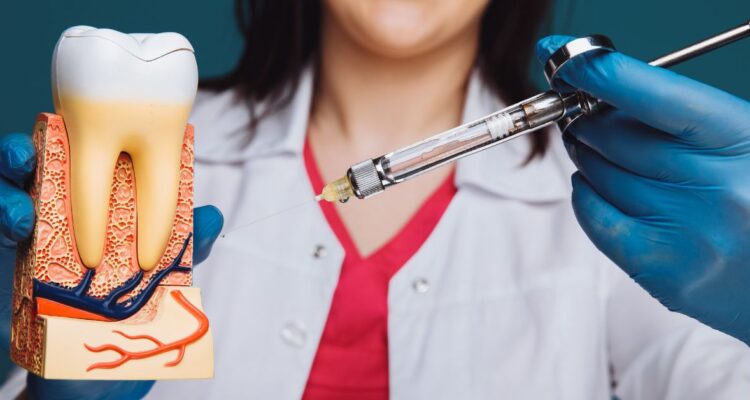
Root canal infections are common dental issues that require prompt treatment to prevent severe complications. When dealing with such infections, antibiotics like amoxicillin are often prescribed to manage bacteria. But, can amoxicillin actually treat a root canal infection effectively?

In this article, we’ll explore how amoxicillin plays a role in managing infections related to root canals, its effectiveness, and what alternatives may be available for treatment. We’ll also address frequently asked questions and provide insight into how best to treat root canal infections.

Can Amoxicillin Effectively Treat Root Canal Infections?

Amoxicillin is an antibiotic commonly used for various bacterial infections. However, its role in root canal infections is more about supporting the overall treatment rather than being a standalone solution. Here’s an overview of its role:

  • Amoxicillin Targets the Infection:
    Root canal infections often involve bacteria that amoxicillin can help fight. By reducing bacterial growth, amoxicillin can prevent the infection from worsening, but it’s not a replacement for the actual root canal procedure.

  • Supporting the Healing Process:
    After a root canal treatment, amoxicillin is sometimes prescribed to ensure that bacteria don’t remain in the affected area and cause further complications. This is especially true if there’s swelling or pain indicating an infection.

  • The Limitations of Amoxicillin:
    While amoxicillin is effective against certain bacteria, it may not address all pathogens present in root canal infections. This is why a dentist may recommend other treatments in conjunction with amoxicillin.

What is Root Canal Infections

Root canal infections occur when bacteria invade the pulp of the tooth, leading to inflammation and infection. This typically happens after a cavity or crack in the tooth exposes the pulp to bacteria. Symptoms of root canal infections include:

  • Persistent tooth pain

  • Swelling in the surrounding gums

  • Sensitivity to temperature changes

  • Abscess formation

While antibiotics like amoxicillin can help manage the infection, the root canal procedure is crucial to remove the infected pulp and seal the tooth.

When Is Amoxicillin Used in Root Canal Infections?

Amoxicillin may be prescribed under the following circumstances:

  1. Before the Root Canal Procedure:
    If the infection has spread, amoxicillin can help reduce bacteria levels and prevent further complications before performing the root canal procedure.

  2. After the Procedure:
    To prevent post-treatment infections and reduce the chances of bacteria regrowing inside the tooth, amoxicillin may be prescribed.

  3. If the Infection Is Severe:
    In cases of severe abscess or swelling, antibiotics like amoxicillin may be used to control the infection while waiting for the root canal procedure.

Alternatives to Amoxicillin for Root Canal Infections

While amoxicillin is effective against many bacterial infections, it may not always be the best option for root canal infections. Here are some alternatives:

  • Clindamycin:
    This antibiotic is often used when a patient is allergic to penicillin or if the infection is resistant to amoxicillin.

  • Metronidazole:
    Metronidazole is another alternative used for anaerobic bacterial infections, which are common in root canal infections.

  • Ciprofloxacin:
    In some cases, ciprofloxacin may be prescribed for more aggressive infections.

How Amoxicillin Works in Root Canal Treatment

Amoxicillin works by inhibiting bacterial cell wall synthesis, which prevents the bacteria from reproducing and spreading. In the context of a root canal infection, amoxicillin works to reduce bacterial load before and after the procedure, allowing the root canal to heal effectively.

FAQs:

1. Can amoxicillin cure a root canal infection on its own?
Amoxicillin can help manage the infection, but it does not cure the infection itself. A root canal procedure is necessary to remove the infected tissue.

2. How long do I need to take amoxicillin after a root canal?
The length of time you need to take amoxicillin will depend on your dentist’s prescription, usually ranging from 5 to 10 days.

3. Can amoxicillin prevent a root canal?
Amoxicillin cannot prevent the need for a root canal. It can only help manage an infection if there is one before or after the procedure.

4. Is it safe to take amoxicillin if I am allergic to penicillin?
No, if you are allergic to penicillin, you should inform your dentist or doctor. They will prescribe an alternative antibiotic like clindamycin or erythromycin.

5. What are the side effects of amoxicillin for root canal infections?
Common side effects of amoxicillin include nausea, diarrhea, and allergic reactions. If you experience severe reactions, consult your dentist immediately.

Conclusion:

Amoxicillin can play a significant role in managing root canal infections, but it is not a standalone solution. The antibiotic is primarily used to help control the infection before and after the root canal procedure. However, it is essential to remember that a root canal procedure is the most effective way to treat an infected tooth. Always follow your dentist’s advice regarding antibiotic use and ensure you complete the prescribed course to avoid resistance or recurrence of infection.

Finding the Best Periodontist in Baton Rouge

When it comes to maintaining good oral health, your gums play a crucial role. They support your teeth and help maintain your overall oral structure. If you’re experiencing gum issues, seeing a periodontist in Baton Rouge is a vital step towards improving your oral health. But how do you choose the right one? In this guide, we will walk you through everything you need to know about finding a reputable periodontist and why their role is essential for your oral health.

What Does a Periodontist Do?

A periodontist is a dental specialist who focuses on diagnosing, treating, and preventing diseases of the gums and the supporting structures of the teeth, such as bones. Unlike a general dentist, a periodontist has advanced training, typically completing three additional years of education after dental school. This specialized training equips them to handle more complex oral health problems, such as gum disease, dental implants, and surgeries related to the gums and jawbone.

Key Services of a Periodontist:

  • Gum Disease Treatment: Periodontists are experts in treating conditions like gingivitis and periodontitis.

  • Dental Implant Placement: If you need dental implants, periodontists are highly skilled in placing them.

  • Gum Surgery: For severe gum disease or other issues, periodontists can perform various types of gum surgeries.

  • Crown Lengthening: If you have short teeth, this procedure helps make them appear longer.

  • Bone Grafting: If your jawbone has been damaged due to gum disease, a periodontist can perform a bone graft to restore it.

Why Should You Visit a Periodontist in Baton Rouge?

While general dentists are trained to detect early signs of gum disease, periodontists are specialists in treating and managing these conditions in depth. Here’s why you should consider seeing a periodontist in Baton Rouge:

  1. Expert Care for Gum Disease:
    Gum disease is a leading cause of tooth loss in adults. A periodontist can help prevent further damage and even reverse some effects of the disease in its early stages.

  2. Advanced Training and Techniques:
    Periodontists have the expertise and tools to handle complex cases that may not respond to standard dental treatments.

  3. Dental Implants Expertise:
    Whether you’re missing a single tooth or several, periodontists are specially trained to place dental implants, offering a permanent and natural solution.

  4. Personalized Treatment Plans:
    A periodontist provides individualized care, ensuring you get the treatment best suited to your unique oral health needs.

  5. Preventing Future Problems:
    Regular visits to a periodontist can help prevent gum disease from progressing, avoiding costly and invasive treatments later on.

How to Choose the Right Periodontist in Baton Rouge

When selecting a periodontist in Baton Rouge, there are several important factors to consider to ensure you receive the best care:

1. Credentials and Experience

Ensure the periodontist you choose is board-certified and has years of experience in handling cases like yours. Board certification means the periodontist has passed rigorous exams and continues to pursue ongoing education.

2. Treatment Approach

Look for a periodontist who takes a conservative approach to treatment and focuses on non-invasive methods before recommending surgery. This indicates that the specialist values your comfort and long-term health.

3. Patient Reviews and Testimonials

Reading reviews from other patients can give you valuable insights into the periodontist’s care. Look for testimonials on their website, Google reviews, and health care platforms to gauge patient satisfaction.

4. Consultation Availability

Many periodontists offer free or low-cost initial consultations. This is a great opportunity to meet with them, ask questions, and assess their communication style. It also gives you a sense of the office atmosphere and staff professionalism.

5. Technology and Facilities

Modern dental practices equipped with state-of-the-art technology can provide more accurate diagnoses and more efficient treatments. Look for a periodontist who invests in the latest tools and technology.

Signs You Need to Visit a Periodontist

It’s important to recognize the warning signs of gum disease early on. Here are some symptoms that indicate it might be time to schedule a visit to a periodontist in Baton Rouge:

  • Bleeding Gums: If your gums bleed when brushing or flossing, it could be an early sign of gum disease.

  • Bad Breath: Persistent bad breath, even after brushing, may signal gum problems.

  • Receding Gums: If your gums are pulling away from your teeth, exposing the roots, it could indicate advanced gum disease.

  • Loose Teeth: If your teeth feel loose or shift in your mouth, it’s a serious warning sign of gum disease or bone loss.

  • Painful Gums: Swollen, red, or painful gums are also indicative of a problem.

  • Changes in Bite or Gum Appearance: Any noticeable changes in how your teeth fit together when you bite can point to gum issues.

What to Expect During Your Periodontist Appointment

When you visit a periodontist in Baton Rouge for the first time, you can expect the following:

  1. Thorough Examination: The periodontist will examine your gums, teeth, and overall oral health. X-rays may be taken to assess the bone structure around your teeth.

  2. Diagnosis and Discussion of Treatment Options: Based on the examination, the periodontist will discuss the severity of your condition and recommend treatment options.

  3. Treatment Plan: Depending on your needs, the periodontist may suggest scaling and root planing (deep cleaning), gum grafts, or dental implants.

  4. Aftercare Instructions: If you undergo any procedures, you’ll receive detailed aftercare instructions to help with healing and maintain oral health.

The Benefits of Regular Periodontal Care

Just like visiting your general dentist for checkups, regular visits to a periodontist can greatly improve your oral health. Here’s why you should make periodontist appointments a priority:

  • Early Detection of Gum Disease: Early intervention can prevent the need for more invasive treatments later.

  • Healthier Gums and Teeth: Proper care ensures that your gums remain healthy and your teeth stay secure.

  • A More Attractive Smile: Treating gum issues will improve the appearance of your smile, especially if you need cosmetic procedures like gum grafts.

  • Improved Overall Health: Gum disease has been linked to other serious health conditions, such as heart disease and diabetes. Regular periodontal visits help reduce these risks.

Conclusion

Finding the right periodontist in Baton Rouge is crucial to maintaining your oral health and preventing severe dental issues in the future. With the right professional by your side, you can enjoy healthier gums, a more attractive smile, and a better quality of life. Make sure to choose someone with the right credentials, experience, and a commitment to your well-being. Your gums are the foundation of your oral health, so don’t wait – make an appointment today and take the first step toward a healthier future!

How to Remove Calcium Deposits on Teeth at Home: Effective Solutions for Clean Teeth

Calcium deposits, also known as tartar or dental calculus, can form on your teeth over time if proper oral hygiene is not maintained. These deposits can lead to yellow or brown staining, bad breath, and even gum disease if left untreated. While professional dental cleanings are the most effective way to remove tartar, there are also home remedies you can use to reduce and prevent the buildup of calcium deposits.

In this guide, we’ll explore some of the best ways to remove calcium deposits on teeth at home using common ingredients, tools, and techniques to help you maintain a healthy and bright smile.

What Are Calcium Deposits on Teeth?

Calcium deposits, or tartar, are hard, mineralized substances that form on your teeth, particularly along the gum line. They are caused by the accumulation of plaque, which, if not properly cleaned, hardens into calculus. While plaque is soft and can be brushed away, tartar requires more effort to remove. Calcium deposits are not only unsightly but can also cause oral health problems, such as cavities, gum disease, and bad breath. Regular brushing and professional cleanings are essential for preventing their buildup.

Why You Should Address Calcium Deposits Quickly

If left untreated, calcium deposits can lead to more severe oral issues, such as gum inflammation, bleeding, and even tooth loss. Removing calcium deposits as soon as you notice them can save you from expensive dental procedures and improve your overall dental health.

How to Prevent Calcium Deposits from Forming?

Best Practices for Preventing Calcium Buildup

Maintaining a clean mouth is the key to preventing calcium deposits. Here are some simple habits that will help you avoid plaque buildup:

  • Brush twice a day: Use a fluoride toothpaste and brush your teeth for at least two minutes, paying close attention to the gum line.

  • Floss daily: Flossing removes food particles and plaque between your teeth that your toothbrush might miss.

  • Use mouthwash: An antimicrobial mouthwash can help kill bacteria and prevent plaque buildup.

  • Regular dentist visits: Schedule professional cleanings every six months for optimal oral hygiene.

How to Remove Calcium Deposits on Teeth at Home

Top Home Remedies to Remove Tartar

Removing calcium deposits at home requires patience and consistency. Here are a few effective home remedies:

Baking Soda and Hydrogen Peroxide Paste

Mix baking soda with hydrogen peroxide to create a paste. Gently brush your teeth with this mixture using a soft toothbrush. Baking soda helps to scrape away tartar, while hydrogen peroxide acts as an antibacterial agent.

Vinegar and Water Solution

Mix one part white vinegar with two parts water and swish the solution around in your mouth for a few minutes. The acidic nature of vinegar can help break down calcium buildup. Be sure to rinse your mouth thoroughly afterward to avoid enamel erosion.

Coconut Oil Pulling

Coconut oil has natural antibacterial properties. Swishing a tablespoon of coconut oil around your mouth for 10-15 minutes (oil pulling) can help reduce plaque and tartar buildup.

Whitening Toothpaste

Whitening toothpaste often contains gentle abrasives that can help reduce tartar. Look for one that contains fluoride and is specifically designed to remove surface stains.

Electric Toothbrushes

Using an electric toothbrush with a rotating head can be more effective at removing tartar than a manual toothbrush. The high speed of the bristles helps break up the calcium deposits.

The Importance of Regular Professional Dental Cleanings

Why You Shouldn’t Rely Solely on Home Remedies

While home remedies can assist in reducing calcium deposits, they are not a replacement for professional dental cleanings. Dentists have specialized tools that can thoroughly remove tartar from your teeth, especially from areas that are hard to reach with a toothbrush. Regular cleanings are essential for maintaining optimal oral health and preventing tartar buildup.

When Professional Help is Necessary

In some cases, home remedies may not be enough to completely remove stubborn calcium deposits. Professional scaling and polishing by a dentist or dental hygienist are the most effective ways to remove significant tartar. If you are unable to remove the buildup at home, don’t hesitate to visit your dentist for a professional cleaning.

Frequently Asked Questions (FAQs):

1. How can I tell if I have calcium deposits on my teeth?
Calcium deposits often appear as yellow or brown spots along the gum line. You may also notice bad breath or bleeding gums, which are signs of plaque buildup.

2. Can baking soda really help remove calcium deposits?
Yes, baking soda is a mild abrasive that can help scrub away surface tartar. When combined with hydrogen peroxide, it becomes even more effective at cleaning your teeth.

3. Is vinegar safe for teeth?
While vinegar can help dissolve tartar, its acidity can also erode tooth enamel if used too frequently. Always rinse your mouth with water after using a vinegar solution.

4. How often should I visit the dentist for a professional cleaning?
It’s recommended to visit your dentist every six months for a professional cleaning. If you have significant tartar buildup, your dentist may recommend more frequent cleanings.

5. Can I completely remove calcium deposits at home?
Home remedies can help reduce calcium buildup, but professional cleaning is often necessary to remove stubborn tartar completely. Regular dental visits are essential for maintaining optimal oral health.

Conclusion:

Calcium deposits on teeth are a common dental issue that can affect your oral health and appearance. While professional cleanings are the most effective way to remove tartar, there are several home remedies you can try to reduce and prevent calcium buildup. By practicing good oral hygiene, such as brushing, flossing, and using mouthwash, and incorporating home remedies like baking soda and hydrogen peroxide, you can keep your teeth healthy and your smile bright. Remember, regular dentist visits are crucial to maintaining good oral health and removing stubborn tartar that home remedies cannot address.

Orthodontist in White Plains: Your Guide to Finding the Perfect Smile

When it comes to improving your smile, choosing the right orthodontist is key. If you’re looking for an orthodontist in White Plains, this guide will help you understand what to look for and how to find the best dental professional for your needs

Why Choosing the Right Orthodontist in White Plains Matters

Your smile says a lot about you. It’s one of the first things people notice, and it can affect your confidence and overall well-being. If you’re considering orthodontic treatment, whether for braces or Invisalign, choosing an experienced and trustworthy orthodontist is vital to achieving the best results.

White Plains, NY, offers several orthodontists, each bringing their own unique approach to care. But how do you decide which one is the right fit for you? Here’s what you need to know.

What Does an Orthodontist Do?

Orthodontists are dental professionals who specialize in diagnosing, preventing, and treating dental and facial irregularities. They use braces, retainers, and other devices to straighten teeth and align jaws. Their primary goal is to ensure your teeth are properly aligned, which helps with both cosmetic and functional issues such as difficulty eating, speaking, or breathing.

Factors to Consider When Choosing an Orthodontist in White Plains

1. Credentials and Experience

The first step in finding a reliable orthodontist is checking their credentials. An orthodontist should have completed dental school and an additional 2-3 years of specialized training in orthodontics. Look for board certifications or memberships with recognized organizations like the American Association of Orthodontists (AAO). Experienced professionals are more likely to provide better results.

2. Treatment Options

Different patients have different needs. The best orthodontists offer a variety of treatment options tailored to each individual’s preferences. Traditional braces are the most common choice, but options like Invisalign and clear aligners are gaining popularity due to their aesthetic appeal and comfort. A good orthodontist in White Plains will discuss all available options with you and help you choose the one that best suits your lifestyle and needs.

3. Technology and Techniques

Orthodontics has come a long way in recent years, with advancements in technology and techniques. Modern orthodontists use 3D imaging, digital impressions, and advanced braces technology to ensure accurate and effective treatment. When you visit an orthodontist, ask about their use of the latest technology and methods.

4. Office Environment

Comfort is key when it comes to your orthodontic treatment. The office environment should be clean, welcoming, and designed to put patients at ease. The staff should be friendly and willing to answer any questions you have about the treatment process. A well-organized and modern office often indicates an orthodontist who is up-to-date with current standards.

5. Patient Reviews and Testimonials

One of the best ways to gauge an orthodontist’s competence is by reading reviews and testimonials from their current or past patients. Look for feedback on the quality of care, professionalism, and patient satisfaction. Websites like Google, Yelp, and Healthgrades are great places to start. Positive reviews can give you confidence in your decision to move forward with a particular orthodontist.

Common Orthodontic Treatments Offered in White Plains

1. Traditional Braces

Traditional metal braces are a time-tested method for straightening teeth. While the appearance of metal braces has evolved over the years, they still provide one of the most effective and reliable results for correcting complex dental issues. Braces work by gradually moving the teeth into proper alignment using metal brackets and wires.

2. Invisalign

Invisalign is a popular choice for adults and teenagers who are looking for a more discreet way to straighten their teeth. The system uses clear plastic aligners that are virtually invisible when worn. These aligners are custom-made for your teeth and need to be replaced every couple of weeks to gradually move your teeth into place.

3. Lingual Braces

Lingual braces are similar to traditional metal braces, but instead of being placed on the front of the teeth, they are positioned on the back. This makes them virtually invisible, offering a discreet option for patients who need more than just clear aligners.

4. Retainers

After orthodontic treatment, retainers are used to maintain the position of your teeth. Retainers are custom-made to fit your mouth and are worn for a period of time, usually after braces are removed. They help prevent your teeth from shifting back to their original position.

5. Ceramic Braces

Ceramic braces work similarly to traditional braces, but the brackets are made from a clear or tooth-colored material. This makes them less noticeable than traditional metal braces, providing an aesthetic solution without compromising the effectiveness of treatment.

The Benefits of Orthodontic Treatment

Orthodontic treatments can offer a variety of benefits beyond just a beautiful smile. Here are a few reasons why investing in orthodontic care is worthwhile:

  • Improved Functionality: Crooked or misaligned teeth can affect your ability to chew and speak properly. Orthodontic treatment can help improve the functionality of your mouth, making eating and talking easier.

  • Enhanced Appearance: Straight teeth create a more balanced and aesthetically pleasing smile. This can boost your confidence and self-esteem.

  • Better Oral Health: Properly aligned teeth are easier to clean, reducing the risk of cavities, gum disease, and other oral health problems.

  • Improved Bite: Orthodontic treatment can correct bite issues such as overbite, underbite, or crossbite, which can help reduce wear and tear on teeth.

Finding an Affordable Orthodontist in White Plains

Orthodontic treatments can be an investment, but there are ways to make them more affordable. Many orthodontists in White Plains offer payment plans and financing options to make treatment more accessible. Additionally, check with your dental insurance provider to see if orthodontic care is covered under your plan. Some plans offer partial coverage for braces or Invisalign.

What to Expect During Your First Visit

Your first visit to an orthodontist in White Plains typically includes a consultation and examination. The orthodontist will assess your teeth and discuss your treatment goals. They may take X-rays or digital impressions to better understand the alignment of your teeth and create a customized treatment plan. During this visit, you can also ask any questions you may have about the treatment process, expected timeline, and costs.

The Treatment Timeline: How Long Will You Need Braces?

The length of time you will need braces or other orthodontic treatments varies based on your specific case. Most people wear braces for 18 to 24 months, though more complex cases can take longer. After braces are removed, you will likely need to wear a retainer for several months or even years to ensure your teeth stay in place.

Final Thoughts

If you’re considering orthodontic treatment, there’s no better time than now to start your journey toward a healthier, more beautiful smile. White Plains offers several orthodontic professionals who can guide you through the treatment process, helping you achieve the smile you’ve always wanted. With the right orthodontist by your side, you’ll be well on your way to enjoying the benefits of straight teeth and improved oral health.

Finding the perfect orthodontist in White Plains doesn’t have to be a challenge. With the right information and a bit of research, you can feel confident in your choice and start enjoying the smile you deserve. Whether you’re looking for traditional braces or modern Invisalign treatments, the options in White Plains cater to every need.

Can I Put Vaseline on My Lips After Lip Filler?

Lip fillers are cosmetic procedures where hyaluronic acid-based substances are injected into the lips to add volume, shape, and hydration. Common brands include Juvederm and Restylane. Aftercare is crucial because your lips go through trauma during injection. Proper care speeds healing, reduces swelling, and avoids complications.

The first 24 to 48 hours are critical. Swelling, tenderness, and bruising are common, and how you treat your lips can affect your final result. Many people wonder whether applying Vaseline—a popular lip product—is a good idea during recovery. The short answer is yes, but with conditions.

We’ll cover all of that in this detailed guide, explaining when and how Vaseline can be used, and what alternatives or precautions you should consider to ensure beautiful, long-lasting results from your lip filler treatment.

Benefits of Vaseline After Lip Filler Treatment

Hydration Support

  • Vaseline helps seal moisture in the lips.

  • Prevents crusting and dry flakes post-procedure.

Protection Barrier

  • Acts as a protective film against environmental irritants.

  • Reduces exposure to dust, dirt, and bacteria.

Promotes Healing

  • Encourages a smoother healing environment.

  • Lessens chances of chapping or lip skin cracking.

Easily Available

  • Cost-effective and accessible.

  • Safe for most skin types due to its non-comedogenic nature.

When Can You Safely Apply Vaseline After Lip Fillers?

  1. Wait At Least 24 Hours:
    Avoid applying anything immediately after the procedure. Your lips are swollen and vulnerable.

  2. After Swelling Reduces:
    Once the inflammation subsides (typically after 24–48 hours), you can start applying a thin layer of Vaseline.

  3. Use Clean Hands or Q-Tip:
    Always use sanitized tools or fingers to avoid bacterial contamination.

  4. Check with Your Aesthetician:
    Some professionals may have specific product recommendations based on the filler type used.

  5. Apply Gently:
    Dab, don’t rub, and avoid massaging unless directed otherwise.

What Not to Do After Lip Filler (Important Aftercare Mistakes)

Avoid These Common Errors:

  • Using makeup within 24 hours.

  • Drinking alcohol or caffeine (may worsen swelling).

  • Touching or massaging your lips unnecessarily.

  • Applying excessive heat (hot water, sun, sauna).

  • Strenuous exercise for 24–48 hours.

Extra Precautions:

  • Don’t sleep face-down.

  • Use a clean pillowcase.

  • Avoid smoking for a few days.

Alternatives to Vaseline for Lip Filler Aftercare

  • Aquaphor Healing Ointment – Lightweight and hydrates effectively.

  • Coconut Oil (Cold-Pressed) – Natural antimicrobial benefits.

  • Bepanthen Cream – Often recommended by dermatologists.

  • Aloe Vera Gel (Natural) – Soothing and anti-inflammatory.

  • Hyaluronic Acid Serums – Ideal for moisture boost (if approved by your injector).

Always test alternatives on a small patch first.

How Can a Father Lose Visitation Rights? (Bonus Insight)

Although unrelated to lip filler, many readers seek this legal insight:

A father can lose visitation rights if:

  1. He poses a danger to the child due to abuse or neglect.

  2. Violates custody agreements regularly.

  3. Substance abuse or criminal activities endanger the child’s well-being.

  4. A court deems visitation to be against the child’s best interests.

Courts prioritize child safety, and documentation plays a critical role in such cases.

FAQs

Q1: Is Vaseline safe to use immediately after getting lip fillers?
A: No. Wait at least 24 hours before applying Vaseline to prevent irritation or infection.

Q2: What happens if I accidentally apply Vaseline too soon?
A: It may not cause serious harm, but there’s a higher risk of bacterial contamination. Monitor for swelling or redness.

Q3: Are there better alternatives to Vaseline after lip filler?
A: Aquaphor and coconut oil are often preferred by professionals due to additional healing properties.

Q4: Can I sleep with Vaseline on my lips post-filler?
A: Yes, after the 24-hour window, applying it before bed can help retain moisture overnight.

Q5: Should I consult my filler provider before applying products?
A: Absolutely. Your injector knows your skin type and filler brand, and can recommend the safest care options.

Final Thoughts:

Yes, but timing and cleanliness matter. Applying Vaseline after 24 hours can help keep lips soft and support healing. However, you must avoid applying it too early or using unclean tools. Always follow your aesthetic provider’s instructions. For better results, combine Vaseline with a good hydration routine, avoid common post-filler mistakes, and use gentle lip care for long-term volume and softness.

Best Orthodontist in Harrisburg, PA: Your Ultimate Guide to a Perfect Smile

If you’re looking to improve your smile and align your teeth, visiting an orthodontist in Harrisburg, PA, might be your first step toward a more confident and healthier you. Whether you’re interested in traditional braces or the latest in clear aligner technology, orthodontic care can make a world of difference in both your appearance and overall dental health. In this comprehensive guide, we’ll walk you through everything you need to know about orthodontic services in Harrisburg, PA, including how to choose the best orthodontist, treatment options, and more!

What is an Orthodontist?

An orthodontist is a dental specialist who focuses on diagnosing, preventing, and treating misaligned teeth and jaws. Unlike a general dentist, an orthodontist has specialized training to provide solutions like braces, retainers, and aligners that correct dental issues such as overbites, underbites, crossbites, and crowded or spaced teeth.

Orthodontists can improve the function of your teeth and jaw, but they also enhance your smile and boost your confidence. If you are considering braces or any other orthodontic treatment, consulting a professional orthodontist in Harrisburg, PA, is the best way to ensure that your treatment plan is tailored to your specific needs.

Why Choose an Orthodontist in Harrisburg, PA?

Harrisburg, the capital of Pennsylvania, is home to many skilled and highly regarded orthodontists. Whether you are a young child needing braces or an adult seeking more discreet aligners, the professionals in this area offer a range of treatments designed to meet your needs.

But why choose an orthodontist in Harrisburg, PA, specifically? Here are some reasons why local residents trust these specialists:

  • Proximity and Convenience: Being able to visit a nearby orthodontist makes regular appointments easier to schedule and keep.

  • Experienced Professionals: Many of Harrisburg’s orthodontists have years of training and hands-on experience, ensuring you receive the highest quality care.

  • Cutting-Edge Technology: The top orthodontists in Harrisburg use state-of-the-art technology for faster, more effective treatment with less discomfort.

  • Personalized Care: The best orthodontists will work with you to create a customized treatment plan based on your unique dental needs and aesthetic goals.

Types of Orthodontic Treatments Available in Harrisburg, PA

Orthodontic treatments have come a long way in recent years. Whether you’re an adult looking to straighten your teeth or a parent seeking treatment for your child, there are several options available in Harrisburg, PA. Let’s explore some of the most popular choices:

1. Traditional Braces

Traditional metal braces are still one of the most effective and affordable ways to straighten teeth. These braces consist of metal brackets and wires that are attached to your teeth and gradually moved into place over time. Braces are ideal for treating a wide variety of orthodontic issues, such as crooked teeth, overbites, and underbites.

2. Ceramic Braces

Ceramic braces work similarly to traditional braces but use clear or tooth-colored brackets to blend in more naturally with your teeth. While they are less noticeable, ceramic braces are just as effective as metal braces and can be a great option for those who want a more discreet appearance.

3. Clear Aligners

Clear aligners, such as Invisalign, are one of the most popular alternatives to traditional braces. These nearly invisible plastic trays gradually shift your teeth into alignment without the need for metal brackets or wires. Many adults prefer clear aligners due to their aesthetic appeal, comfort, and removability.

4. Lingual Braces

Lingual braces are a great choice for individuals who need braces but want to keep them hidden. These braces are placed on the back of your teeth rather than the front, making them virtually invisible to others. While lingual braces are not as common as traditional braces or clear aligners, they can be an excellent option for those looking for a discreet solution.

5. Retainers

Once your orthodontic treatment is complete, your orthodontist will likely recommend a retainer to help maintain the new position of your teeth. Retainers are typically worn for a few months or years after treatment to prevent your teeth from shifting back to their original position.

How to Choose the Best Orthodontist in Harrisburg, PA

Finding the right orthodontist in Harrisburg, PA, is crucial to achieving the results you desire. Here are some important factors to consider when making your decision:

1. Experience and Qualifications

Ensure that the orthodontist you choose has the necessary qualifications and experience. Look for a professional who is board-certified, as this indicates that they have passed rigorous exams and have the skills required to deliver high-quality care.

2. Services Offered

Not all orthodontists offer the same treatments. If you have a specific preference for clear aligners, traditional braces, or any other treatment, make sure the orthodontist provides that service. You’ll also want to check that they have experience with the specific issues you’re looking to address.

3. Reviews and Reputation

Reading reviews from other patients can give you valuable insight into the quality of care you can expect. Look for an orthodontist who has a good reputation for patient care, communication, and successful treatment outcomes.

4. Office Environment and Staff

The atmosphere of the orthodontic office is just as important as the doctor’s qualifications. Look for a clean, welcoming office where the staff is friendly and professional. A positive environment will make your visits more comfortable.

5. Consultation Process

Many orthodontists offer free consultations. This gives you the opportunity to meet with the orthodontist, discuss your goals, and ask any questions about the treatment process. It’s important to feel comfortable with your provider, so don’t hesitate to shop around until you find the right fit.

Benefits of Orthodontic Treatment in Harrisburg, PA

The benefits of seeing an orthodontist in Harrisburg, PA, go far beyond just straightening your teeth. Here are some of the key advantages of orthodontic care:

  • Improved Dental Health: Correcting misalignment can make it easier to brush and floss, reducing the risk of cavities and gum disease.

  • Boosted Confidence: A straight, beautiful smile can give you more confidence in social and professional settings.

  • Better Function: Orthodontic treatment can improve your bite, making it easier to chew and speak clearly.

  • Long-Term Results: Properly aligned teeth are more likely to stay in place and maintain their health over time.

The Cost of Orthodontic Care in Harrisburg, PA

One of the biggest concerns for many people when considering orthodontic treatment is the cost. The price of braces or clear aligners can vary widely based on the complexity of your case, the treatment method you choose, and your orthodontist’s pricing.

In Harrisburg, PA, you can expect to pay anywhere from $3,000 to $7,000 for traditional braces or clear aligners, depending on the factors mentioned above. Many orthodontists offer financing options and payment plans to help make treatment more affordable.

Before you commit to any treatment, make sure to check if your dental insurance covers orthodontic care. Some insurance plans offer partial coverage, especially for children under a certain age.

Conclusion

Orthodontic care in Harrisburg, PA, can help you achieve the smile you’ve always wanted. Whether you choose traditional braces, clear aligners, or another option, working with an experienced orthodontist ensures that you receive the best possible treatment for your needs.

When selecting an orthodontist in Harrisburg, PA, consider factors like experience, services offered, and office environment to find the perfect fit for you. With the right care and treatment, you can enjoy the benefits of a healthier, more confident smile for years to come.

Related Post

  1. Best Orthodontist in Dearborn
  2. Best Orthodontist in Covington
  3. Orthodontist Ashburn VA

Finding the Best Orthodontist in Dearborn: Your Ultimate Guide to Perfect Smiles

Are you looking for an orthodontist in Dearborn who can help you achieve the perfect smile? Whether you need braces, Invisalign, or other orthodontic treatments, choosing the right professional is crucial for both your dental health and aesthetics. In this article, we’ll explore the best orthodontists in Dearborn, what to expect during your treatment, and why it’s important to consult an experienced orthodontic specialist.

Why You Need an Orthodontist in Dearborn

Orthodontics is a branch of dentistry that focuses on diagnosing, preventing, and treating dental and facial irregularities. If you have crooked teeth, bite issues, or other alignment problems, seeing an orthodontist is the key to achieving a healthier and more beautiful smile. A skilled orthodontist in Dearborn can help you:

  • Correct alignment issues with braces or aligners

  • Improve the functionality of your teeth and bite

  • Boost your confidence with a straight, beautiful smile

Choosing a trusted orthodontist is vital for ensuring effective and comfortable treatment. Let’s dive into what makes Dearborn’s top orthodontists stand out.

What to Look for in a Dearborn Orthodontist

When searching for an orthodontist in Dearborn, there are several factors to consider:

1. Credentials and Experience

It’s important to choose an orthodontist who is not only licensed but also has extensive experience. Look for specialists who are members of the American Association of Orthodontists (AAO). This ensures that they stay updated on the latest treatment techniques and innovations.

2. Variety of Treatments

The best orthodontists offer a range of treatment options. From traditional metal braces to clear aligners like Invisalign, your orthodontist should tailor the treatment to suit your needs, preferences, and budget.

3. Advanced Technology

Orthodontics has come a long way in recent years, with technology playing a big role in improving patient outcomes. Modern orthodontists in Dearborn should use advanced imaging and diagnostic tools like 3D scans to plan and track your treatment more accurately.

4. Patient-Centered Care

Orthodontic treatment can take time, and it’s important that your orthodontist makes the process as comfortable and convenient as possible. Look for a practice that emphasizes patient education, clear communication, and offers flexible scheduling options.

5. Patient Reviews and Testimonials

Reading reviews from other patients is one of the best ways to gauge the quality of service provided by an orthodontist. Look for practices with positive feedback on their ability to deliver great results while maintaining a welcoming, professional environment.

Types of Orthodontic Treatments in Dearborn

Orthodontists in Dearborn offer a variety of treatment options to suit different needs. Here’s a look at some of the most popular treatments available:

1. Traditional Braces

Traditional braces are the most well-known orthodontic treatment. They consist of metal brackets and wires that are gradually adjusted to move the teeth into alignment. They are highly effective for treating severe misalignment issues and are suitable for patients of all ages.

2. Invisalign

Invisalign is a popular alternative to traditional braces, especially for adults and teenagers. It involves using clear, removable aligners to gradually shift teeth into place. Invisalign is discreet, comfortable, and requires fewer visits to the orthodontist for adjustments.

3. Lingual Braces

Lingual braces are similar to traditional braces, but the brackets are placed on the inside of the teeth, making them invisible from the outside. They offer the same effectiveness as traditional braces, but with a more discreet appearance.

4. Clear Braces

Clear braces work similarly to metal braces, but the brackets are made of ceramic materials that blend in with your teeth. This makes them less noticeable, making them a popular choice for those who want the effectiveness of traditional braces but with a more aesthetic appearance.

5. Retainers

After your orthodontic treatment is complete, you will likely need to wear a retainer to ensure that your teeth stay in their new position. Retainers can be fixed or removable, depending on your orthodontist’s recommendation.

The Benefits of Choosing a Dearborn Orthodontist

Choosing the right orthodontist in Dearborn can have a significant impact on your overall experience and the results you achieve. Here are some of the benefits of opting for a top-rated orthodontic practice:

1. Customized Treatment Plans

A good orthodontist will tailor your treatment plan to fit your unique needs. Whether you need traditional braces or prefer the convenience of Invisalign, your orthodontist will ensure that the treatment works for your specific dental concerns.

2. Enhanced Confidence

Straightening your teeth not only improves your smile but can also enhance your self-esteem. Many patients report feeling more confident and comfortable in social situations after completing their orthodontic treatment.

3. Improved Oral Health

Orthodontic treatment isn’t just about cosmetic improvement; it also contributes to better oral health. Correcting misalignments and bite issues can reduce your risk of developing dental problems such as cavities, gum disease, and jaw pain.

4. Long-Term Results

Orthodontic treatment helps ensure that your teeth stay in the right position for years to come. Proper alignment reduces the risk of future dental complications, making it a worthwhile investment in your long-term health.

What to Expect During Your Visit to an Orthodontist in Dearborn

Your first visit to an orthodontist will involve a thorough consultation. Here’s what to expect:

  • Initial Assessment: The orthodontist will examine your teeth and discuss your dental goals. X-rays or 3D imaging may be used to better understand the alignment of your teeth and jaw.

  • Treatment Plan: After the assessment, your orthodontist will recommend a personalized treatment plan. This may involve braces, clear aligners, or other solutions.

  • Cost Estimate: The orthodontist will provide you with a breakdown of the costs involved in your treatment. Many practices offer payment plans to make orthodontic care more affordable.

  • Scheduling: Once you decide on a treatment plan, you’ll schedule regular follow-up appointments to monitor your progress and make adjustments as needed.

FAQs

How long will my orthodontic treatment take?
The duration of treatment depends on the type of treatment and the severity of your alignment issues. Most treatments take anywhere from 12 to 36 months.

Are there age restrictions for orthodontic treatment?
No, orthodontic treatment can be done at any age. Many adults opt for braces or Invisalign to improve their smiles.

How much do orthodontic treatments cost in Dearborn?
Costs vary depending on the type of treatment you choose. Traditional braces are typically more affordable, while Invisalign may cost more. Your orthodontist will provide an estimate after your initial consultation.

Is Invisalign as effective as traditional braces?
Invisalign is just as effective for many cases, but may not be suitable for severe orthodontic issues. Your orthodontist will help you decide which option is best for you.

Conclusion

Finding a skilled orthodontist in Dearborn is the first step toward achieving the smile you’ve always wanted. With the right treatment plan, you can enjoy improved oral health, boosted confidence, and long-lasting results. Whether you choose traditional braces, Invisalign, or another treatment option, the right orthodontist will guide you every step of the way.

Take the time to research and find the best orthodontist for your needs—your smile is worth it!

Related Post

Why Does Food Stick to My Teeth As I Get Older?

As we age, even the simplest routines—like eating—can feel different. One question that puzzles many adults is, “Why does food stick to my teeth as I get older?” This seemingly minor annoyance can lead to bigger oral health problems like cavities, plaque buildup, or even gum disease. Changes in your mouth’s anatomy, reduced saliva production, worn enamel, or dental restorations may all contribute to this sticky situation.

In this article, we’ll break down the biological, dental, and lifestyle-related reasons food starts clinging to your teeth more. We’ll also discuss solutions, provide a detailed outline, and answer frequently asked questions so you can keep your smile healthy and confident—no matter your age.

Why Food Sticks to Teeth More as You Age

As you grow older, your body changes—including your oral health. Food sticking to teeth can be frustrating and even painful. Below, we explore several biological and mechanical causes of this issue. These are common but often misunderstood.

Your mouth undergoes changes that make it easier for food to cling. For example, enamel thins over time, creating tiny pits where food particles can lodge. Similarly, gum tissue may recede, exposing the tooth roots, which are rougher and more prone to catching food.

Dental work like fillings, crowns, or bridges may also cause small gaps or uneven surfaces where food easily becomes trapped. Add to this a dry mouth (xerostomia), common in older adults, and you have the perfect recipe for sticky teeth after meals.

Common Causes of Food Getting Stuck to Aging Teeth

1. Thinning Enamel and Tooth Surface Changes

  • As enamel wears down, tooth surfaces become less smooth.

  • Microscopic cracks and grooves catch food more easily.

2. Gum Recession

  • Receding gums expose tooth roots, which are not protected by enamel.

  • These exposed areas are more porous and sticky.

3. Dry Mouth (Xerostomia)

  • Aging and medications reduce saliva production.

  • Less saliva = less natural cleaning = more food residue.

4. Dental Restorations and Fillings

  • Ill-fitting crowns, bridges, or old fillings leave small gaps.

  • Food easily lodges in these pockets.

5. Poor Chewing Efficiency

  • Missing teeth or weak bite can cause uneven food breakdown.

  • Larger particles stick more during chewing.

How Age Affects Oral pH and Saliva

1. Lowered Saliva Flow Means More Plaque

Saliva helps neutralize acids and sweep away food. Aging adults often produce less saliva, leading to plaque buildup and food sticking.

2. Medication Side Effects

Many drugs (especially for blood pressure, allergies, or depression) reduce saliva. This indirectly causes food to stick more.

3. Changes in Oral pH Levels

An imbalanced pH can reduce enamel strength and alter bacterial activity, increasing food adhesion.

Signs You Need a Dental Checkup for Sticky Teeth

It’s time to visit your dentist if:

  • You constantly feel food between your teeth.

  • You experience bad breath or bleeding gums.

  • You notice increased tooth sensitivity.

  • Your fillings or crowns feel loose.

  • You’ve recently changed medications.

Tips to Prevent Food From Sticking to Your Teeth as You Age

Numbered List of Actionable Tips

  1. Brush after every meal with a soft-bristle toothbrush and fluoride toothpaste.

  2. Floss daily, especially after sticky meals.

  3. Use a water flosser for hard-to-reach areas.

  4. Stay hydrated to combat dry mouth.

  5. Avoid sugary and sticky foods like caramel, dried fruit, and gum.

  6. Visit your dentist every 6 months for a thorough cleaning and checkup.

Best Dental Tools for Older Adults Facing Food Build-Up

  • Interdental brushes: Perfect for cleaning around dental bridges or wide gaps.

  • Electric toothbrushes: Provide more thorough cleaning than manual ones.

  • Xylitol gum or mouth spray: Helps stimulate saliva.

  • Saliva substitutes: Available over the counter to relieve dry mouth symptoms.

Can Age-Related Dental Changes Be Reversed?

Short Answer: No, but they can be managed effectively.

Discussion:
While you can’t undo enamel loss or gum recession, you can:

  • Strengthen your teeth with fluoride treatments.

  • Replace failing dental work with new restorations.

  • Maintain a balanced diet that supports oral health.

  • Use remineralizing toothpaste or prescribed dental treatments.

How Can a Father Lose Visitation Rights Due to Oral Neglect in a Child?

Although not a common association, in custody battles, oral neglect (especially repeated dental issues) may be seen as a sign of broader neglect. If a child consistently suffers from untreated dental problems—like food sticking to teeth due to poor hygiene—it could reflect on a parent’s caregiving ability. In extreme cases, this can lead to loss of visitation rights, especially when paired with other signs of neglect or medical inattention.

FAQs

Q1: Is food sticking to teeth a sign of tooth decay?
A: Not always, but it can be. If food consistently gets stuck in one area, it might indicate decay or a poorly fitted filling.

Q2: Can gum recession be stopped or reversed?
A: Recession can’t be reversed but can be slowed with proper dental care and sometimes corrected with gum grafts.

Q3: What foods are most likely to stick to aging teeth?
A: Sticky candies, caramel, dried fruits, white bread, and some meats are more likely to get stuck.

Q4: Should I use mouthwash if food keeps sticking?
A: Yes. Use an alcohol-free, antibacterial mouthwash to help dislodge food particles and kill bacteria.

Q5: Does drinking more water help reduce food sticking?
A: Absolutely. Staying hydrated boosts saliva flow, which naturally cleans your teeth.

Conclusion:

Getting older doesn’t mean you have to accept dental discomfort. If you’re asking, “Why does food stick to my teeth as I get older?”, know that you’re not alone—and there are proven ways to fight back. Regular dental care, mindful eating, better oral hygiene habits, and saliva-boosting techniques can make a big difference. Pay attention to your body and visit your dentist regularly. Prevention is always better (and cheaper) than cure.

Can You Have Veneers with Partial Dentures? What Dentists Say

In today’s world, Yuma Dental Clinic offers numerous ways to restore your smile, even when multiple dental issues are at play. Many people wonder, can you have veneers with partial dentures? It’s a fair question—especially if you’re looking to blend aesthetics with functionality. While both options serve different purposes, many patients seek to combine them to improve both looks and oral health. In this detailed blog post, we’ll explore whether veneers and partial dentures can coexist, how dentists handle these cases, and what outcomes to expect.

Can You Have Veneers with Partial Dentures? Understanding the Basics

Veneers and partial dentures serve different but sometimes complementary purposes. Veneers are thin porcelain or composite shells that cover the front surface of your teeth to improve appearance. Partial dentures, on the other hand, replace one or more missing teeth and are either removable or fixed.

So, can you have veneers with partial dentures? The answer is yes—but with some caveats. Dentists often need to assess the strength, stability, and number of natural teeth remaining before determining the feasibility of adding veneers. If the remaining teeth are healthy and sufficient in number, veneers can easily be placed, especially on the visible front teeth, while partial dentures take care of the missing ones.

The goal is a seamless, natural-looking smile. But not all dental cases qualify, and your oral health will be the determining factor. Most importantly, both treatments need to work in harmony, structurally and aesthetically.

How Veneers Work with Partial Dentures

Compatibility and Process

  • Veneers are usually placed on the front teeth that are visible when you smile.

  • Partial dentures are used to fill in the gaps left by missing teeth.

  • If you have strong natural teeth remaining, veneers can enhance their look while dentures restore functionality.

Numbered Process Overview:

  1. Dental Assessment – Your dentist examines which teeth can support veneers.

  2. Treatment Planning – A blueprint is made considering bite, alignment, and aesthetics.

  3. Veneer Placement – Thin layers of porcelain or composite are bonded to the front teeth.

  4. Denture Fabrication – Dentures are designed around the veneered teeth if needed.

  5. Adjustment & Fitting – Fine-tuning ensures both components fit and function properly.

Pros and Cons of Combining Veneers and Partial Dentures

Pros

  • Enhanced Aesthetics: Your smile looks uniform and natural.

  • Improved Confidence: Many patients feel more confident in public.

  • Functional Restoration: Partial dentures restore biting and chewing capacity.

  • Cost-Effective: Cheaper than full implants for all teeth.

Cons

  • Not Suitable for All Cases: Weak remaining teeth may disqualify you.

  • Maintenance Required: Veneers and dentures need specific care routines.

  • Risk of Wear: Misalignment can cause friction and reduce longevity.

  • Insurance Limitations: Not all policies cover cosmetic veneers.

What Dentists Consider Before Recommending Both Veneers and Partial Dentures

Bolded Points for Emphasis:

  • Tooth Health: The remaining teeth must be healthy enough to hold veneers.

  • Gum Support: Gums should be in good condition to avoid complications.

  • Occlusion Alignment: The way your teeth meet affects the success of combining both.

  • Material Choice: Dentists prefer high-quality porcelain for longevity.

Best Practices When Having Veneers and Dentures Together

Bulleted Tips for Easy Reference:

  • Brush and floss regularly using non-abrasive toothpaste.

  • Use a water flosser to clean between dentures and veneered teeth.

  • Avoid hard and sticky foods to protect both the veneers and dentures.

  • Visit your dentist every 6 months for alignment and condition checks.

  • Store removable dentures in water when not in use to prevent drying.

What Materials Work Best for This Combo?

  • Porcelain veneers are the top choice due to their durability and stain resistance.

  • Composite veneers are a budget-friendly alternative but may discolor faster.

  • Acrylic partial dentures are common, but flexible nylon-based ones may provide better comfort when combined with veneers.

Cost of Having Veneers with Partial Dentures

Numbered List for Pricing Breakdown:

  1. Veneers (per tooth): $800–$2,500

  2. Partial Dentures: $700–$2,000 (depending on material)

  3. Diagnostic Scans & X-Rays: $100–$300

  4. Follow-up & Adjustments: $100–$500 annually

Insurance may cover partial dentures but usually excludes veneers as they’re considered cosmetic. Financing options like CareCredit may be available.

How Can a Father Lose Visitation Rights? (Included Keyword)

While discussing oral health, it’s important to also understand rights related to family well-being. In some legal cases, such as custody battles, issues like substance abuse, child neglect, or unsafe environments may lead to a father losing visitation rights. This unrelated but often searched term is included here for user relevance.

Frequently Asked Questions (FAQs)

Q1: Can veneers and partial dentures be used at the same time?
Yes, if you have healthy enough teeth for veneers and a dental structure that allows for partials.

Q2: Do veneers interfere with how partial dentures fit?
Not if properly planned. A skilled dentist can design both to complement each other.

Q3: Are there alternatives to using both veneers and dentures?
Yes—implants or full-mouth reconstructions can be considered, depending on your needs.

Q4: Will dental insurance cover both veneers and dentures?
Usually, only the dentures are covered, as veneers are cosmetic.

Q5: How long do veneers last if I also wear partial dentures?
With good care, porcelain veneers can last 10–15 years, even with dentures in use.

Conclusion

So, can you have veneers with partial dentures? Absolutely—but only when your dental health and goals align with what’s clinically feasible. It’s a solution that merges function with cosmetic perfection. Consultation with your dentist is key, as this isn’t a one-size-fits-all scenario. With the right planning, you can achieve a smile that’s both stunning and functional.

Why You Should Choose an Experienced Orthodontist in Merrillville for Your Perfect Smile

A beautiful smile can dramatically enhance your appearance, confidence, and overall well-being. For those looking to improve their smile, orthodontics offers a range of treatments to align teeth, correct bite issues, and improve facial aesthetics. If you live in Merrillville or the surrounding areas, finding the right orthodontist is essential for achieving long-lasting, effective results. In this article, we will explore the key reasons why you should choose an experienced orthodontist in Merrillville, like those at Yuma Dental Clinic, and how orthodontic treatments can benefit you.

What Is Orthodontics and Why Does It Matter?

Orthodontics is a specialized field of dentistry focused on diagnosing, preventing, and treating dental and facial irregularities. While most people think of braces when they hear the word “orthodontics,” the field encompasses much more. It addresses misaligned teeth, crooked jaws, bite problems (overbite, underbite), and even issues caused by thumb-sucking, dental trauma, or genetics.

Key Benefits of Orthodontic Treatment:

  1. Improved Aesthetics: One of the most obvious benefits of orthodontics is the improvement in your smile. Straight teeth create a more symmetrical and balanced look, boosting your self-confidence.

  2. Better Oral Health: Crooked teeth can be harder to clean, leading to plaque buildup, tooth decay, and gum disease. Orthodontic treatments help you achieve better oral hygiene by aligning your teeth, making them easier to brush and floss.

  3. Improved Functionality: Misaligned teeth or jaws can lead to bite problems that affect chewing, speaking, and even breathing. Orthodontic treatments can correct these issues, ensuring your teeth and jaw work together efficiently.

  4. Prevent Future Issues: Early orthodontic intervention can prevent more severe dental problems from developing later in life, saving you time, money, and discomfort.

Why Choose an Experienced Orthodontist in Merrillville?

Choosing the right orthodontist for your treatment is one of the most important decisions you’ll make for your smile. Here’s why selecting a skilled and experienced orthodontist in Merrillville, like the professionals at Yuma Dental Clinic, is essential:

1. Comprehensive Services Tailored to Your Needs

An experienced orthodontist offers a wide range of treatments, including traditional metal braces, clear braces, Invisalign, retainers, and more. They will take the time to evaluate your unique dental needs and recommend the most effective treatment option based on your goals, preferences, and lifestyle.

Yuma Dental Clinic provides comprehensive orthodontic care to patients of all ages, from children to adults. Whether you need a subtle solution like Invisalign or more traditional braces, their team is dedicated to helping you achieve the best possible outcome.

2. Cutting-Edge Technology for Better Results

The field of orthodontics has evolved significantly over the years. Today, modern technology allows for more precise and effective treatments. A top orthodontist in Merrillville will utilize advanced equipment, such as 3D imaging and digital impressions, to create customized treatment plans that are both comfortable and effective.

At Yuma Dental Clinic, they stay up-to-date with the latest advancements in orthodontic care, ensuring you receive the most modern and efficient treatments available.

3. A Personalized Approach to Care

Every patient is different, and so are their orthodontic needs. A skilled orthodontist will offer a personalized treatment plan that takes into account your specific dental health, facial structure, and aesthetic preferences. This tailored approach ensures that your treatment is not only effective but also suited to your comfort and lifestyle.

Yuma Dental Clinic prides itself on offering individualized care. Whether you’re undergoing orthodontic treatment for the first time or need a follow-up consultation, their team will work closely with you to ensure the best results.

4. Expertise and Experience You Can Trust

Orthodontic treatments require a high level of skill and precision. An experienced orthodontist will have years of training and hands-on practice, giving them the expertise needed to handle complex cases and deliver exceptional results. With their knowledge of orthodontic principles, an experienced professional can anticipate potential issues and provide solutions to ensure a smooth treatment process.

At Yuma Dental Clinic, their orthodontists have years of experience and a proven track record of success. You can trust that you’re in good hands when you choose them for your orthodontic needs.

5. Long-Term Results and Maintenance

Orthodontic care doesn’t stop once your braces come off or you’ve completed your Invisalign treatment. Regular follow-up appointments and maintenance are essential to ensure that your teeth remain aligned and your smile stays beautiful. An experienced orthodontist will provide ongoing care and advice to help maintain your results.

The team at Yuma Dental Clinic offers long-term support, ensuring your smile remains straight and healthy long after your treatment ends.

How to Know When It’s Time to See an Orthodontist

It’s never too early or too late to see an orthodontist. Early intervention can prevent problems from worsening, while late intervention can help correct issues in adults who missed out on orthodontic care as children. Here are a few signs that it’s time to visit an orthodontist:

  1. For Children (Ages 7-10):

    • Crowded or crooked teeth

    • Difficulty chewing or biting

    • Thumb-sucking or extended pacifier use

    • Jaw misalignment or discomfort

  2. For Teenagers:

    • Uneven teeth, overbite, or underbite

    • Protruding teeth or gaps

    • Difficulty speaking or chewing

  3. For Adults:

    • Teeth shifting over time

    • Jaw pain or discomfort

    • Self-consciousness about crooked teeth or a misaligned smile

If any of these apply to you or your child, it may be time to schedule a consultation with an orthodontist in Merrillville.

Orthodontic Treatment Options at Yuma Dental Clinic

At Yuma Dental Clinic, you have access to a variety of orthodontic treatments designed to suit your needs. Whether you’re looking for traditional metal braces, clear ceramic braces, or Invisalign, their team can help you achieve the smile you’ve always wanted.

  • Traditional Metal Braces: The most common form of orthodontics, providing reliable results for all types of alignment issues.

  • Ceramic Braces: A discreet alternative to traditional braces, with clear or tooth-colored brackets that blend in with your teeth.

  • Invisalign: Clear, removable aligners that gradually straighten teeth without the need for wires and brackets.

  • Retainers: Once treatment is complete, retainers help maintain your new smile and prevent teeth from shifting back.

Conclusion

Choosing the right orthodontist in Merrillville is essential for achieving the smile you’ve always dreamed of. With advanced technology, personalized care, and years of experience, the team at Yuma Dental Clinic is dedicated to helping you achieve lasting results. Whether you’re seeking treatment for yourself or your child, don’t wait—take the first step toward a healthier, more confident smile today!

If you’re ready to start your journey to a better smile, contact Yuma Dental Clinic today to schedule your consultation. Their team is ready to help you with all your orthodontic needs and provide you with a treatment plan that’s right for you.

Related Article

Best Orthodontist in Covington

Orthodontist Ashburn VA


1 8 9 10 11