Author: Julie Graham

How Long Does a Maryland Bridge Last?

When it comes to dental bridges, the Maryland Bridge is one of the most popular choices. Known for its aesthetic appeal, minimal invasiveness, and durability, it is frequently used to restore missing teeth. However, one of the primary concerns patients often have about the Maryland Bridge is its longevity. “How long does a Maryland Bridge last?” is a common question for anyone considering this dental solution.

The lifespan of a Maryland Bridge can vary based on several factors, from the material used to how well you maintain your oral hygiene. In this detailed guide, we will explore the expected lifespan of a Maryland Bridge, the factors that impact its longevity, maintenance tips, and the potential for repair or replacement. By the end of this article, you’ll have a clearer understanding of what to expect from your Maryland Bridge and how to care for it properly to ensure it lasts as long as possible.

How Long Does a Maryland Bridge Last?

A Maryland Bridge typically lasts between 10 to 15 years. However, with proper care and attention, some patients have reported their bridges lasting even longer—up to 20 years. Several factors affect the lifespan of a Maryland Bridge, including the materials used, the patient’s oral hygiene habits, and their lifestyle choices.

1. Materials Used in the Maryland Bridge

The materials used to create a Maryland Bridge play a significant role in determining its lifespan. Maryland Bridges are typically made from porcelain, porcelain fused to metal (PFM), or all-metal frameworks.

  • Porcelain Maryland Bridges: These are aesthetically appealing and blend seamlessly with natural teeth, but they may be slightly more prone to chipping or wear over time.

  • Porcelain-Fused-to-Metal (PFM) Maryland Bridges: These offer the best of both worlds with the strength of metal and the aesthetics of porcelain. PFM bridges are generally more durable and resistant to wear than all-porcelain bridges.

  • Metal Maryland Bridges: Although less commonly used, metal Maryland bridges tend to last the longest due to their superior durability. However, they may not provide the most natural appearance.

In general, porcelain and PFM bridges tend to last between 10 and 15 years, while metal bridges can last even longer if properly cared for.

2. Maintenance and Oral Hygiene

Oral hygiene is crucial to the longevity of a Maryland Bridge. Regular brushing, flossing, and dental checkups are necessary to prevent the buildup of plaque and bacteria around the bridge. Poor oral hygiene can lead to gum disease or tooth decay around the abutment teeth, which support the bridge.

Additionally, neglecting oral hygiene can result in a buildup of plaque and tartar around the bridge, weakening the adhesive and leading to failure. To maintain your bridge’s effectiveness, it’s essential to brush and floss daily and visit your dentist regularly for professional cleanings.

3. Diet and Habits

Your diet and lifestyle habits play an essential role in the longevity of your Maryland Bridge. Hard, sticky, or chewy foods can put undue stress on the bridge and cause it to weaken or become damaged. If you consistently chew on ice, hard candies, or sticky sweets, your bridge may not last as long as it should.

In addition to diet, smoking and excessive alcohol consumption can also contribute to the breakdown of your bridge. Smoking can promote gum disease, while alcohol can weaken the adhesive used to bond the bridge to your natural teeth. A healthy diet and lifestyle can greatly extend the life of your Maryland Bridge.

Factors That Affect the Lifespan of a Maryland Bridge

Several factors impact the durability of a Maryland Bridge. Let’s break down these key factors in more detail:

4. Skill and Experience of the Dentist

The expertise of the dentist who performs the procedure also affects how long your Maryland Bridge will last. A skilled and experienced dentist will ensure that the bridge fits properly and is securely bonded to the abutment teeth. If the bridge is improperly placed or the fit is incorrect, it may fail prematurely.

5. The Number of Missing Teeth

The number of missing teeth being replaced by the Maryland Bridge can also impact its lifespan. If the bridge is replacing several missing teeth, it may be under more stress than if it’s only replacing one or two teeth. The more teeth the bridge has to support, the more pressure it will endure, which may affect its durability over time.

6. The Type of Adhesive Used

The adhesive used to bond the Maryland Bridge to the natural teeth is a critical factor in its lifespan. Stronger adhesives help the bridge stay in place longer and prevent it from loosening over time. If the adhesive weakens or the bond is improperly formed, the bridge may fall off or require replacement sooner.

How to Care for a Maryland Bridge to Extend Its Lifespan

To ensure that your Maryland Bridge lasts as long as possible, following a proper care routine is essential. Here are some tips for extending the lifespan of your bridge:

1. Regular Cleaning

Brushing and flossing daily are essential to keeping your Maryland Bridge in good condition. Use a toothbrush with soft bristles and fluoride toothpaste to gently clean the bridge and surrounding teeth. Make sure to floss around the bridge, as food particles can get trapped in the small crevices around it.

Additionally, using an interdental brush can help remove plaque from hard-to-reach areas around the bridge. This will prevent plaque buildup and keep the gums around the bridge healthy.

2. Avoid Hard and Sticky Foods

Hard foods such as nuts, candies, and ice can put excessive pressure on the Maryland Bridge, causing it to break or loosen. Similarly, sticky foods like caramel and taffy can cause the bridge to pull away from the teeth. Avoiding these types of foods will help prevent damage to your bridge.

3. Wear a Night Guard If Necessary

If you grind your teeth at night (bruxism), it’s essential to wear a night guard to protect your Maryland Bridge. Teeth grinding puts a lot of pressure on the bridge and can lead to it loosening or breaking. A custom night guard will shield the bridge from the forces of grinding, helping it stay intact for a longer time.

4. Visit Your Dentist Regularly

Regular dental checkups are vital for monitoring the condition of your Maryland Bridge. Your dentist will check the fit of the bridge and ensure that it’s still securely in place. If any issues arise, such as loosening or damage, your dentist can address them promptly to avoid further complications.

Can a Maryland Bridge Be Repaired or Replaced?

Yes, a Maryland Bridge can be repaired or replaced if necessary. If the bridge becomes damaged, your dentist may be able to repair it if the damage is minor. However, if the bridge is old, worn out, or the adhesive has failed, it may need to be replaced entirely.

Repairs typically involve re-bonding the bridge or adjusting it to improve the fit. If you notice any issues with your bridge, such as discomfort, loosening, or damage, it’s important to visit your dentist as soon as possible to determine the best course of action.

FAQs

1. How long does a Maryland Bridge last?
A Maryland Bridge typically lasts between 10 to 15 years, but with proper care, it can last longer.

2. Can I eat hard foods with a Maryland Bridge?
It’s best to avoid hard or sticky foods as they can damage the bridge or cause it to loosen prematurely.

3. How do I maintain my Maryland Bridge?
Brush and floss regularly, avoid hard foods, and visit your dentist for checkups to ensure the bridge remains in good condition.

4. Can a Maryland Bridge be replaced if damaged?
Yes, a Maryland Bridge can be repaired or replaced if it becomes damaged or if the adhesive fails.

5. Are there any alternatives to a Maryland Bridge?
Yes, alternatives to Maryland Bridges include traditional bridges, dental implants, and partial dentures, depending on the specific needs of the patient.

Conclusion

A Maryland Bridge is a reliable and aesthetically pleasing dental restoration that can last many years with proper care. While the average lifespan ranges from 10 to 15 years, it’s possible to extend its longevity with good oral hygiene, regular dentist visits, and careful dietary choices. Factors such as the materials used, the skill of the dentist, and lifestyle habits also play significant roles in determining how long your bridge will last.

If you’re considering a Maryland Bridge or already have one in place, be sure to follow the care guidelines mentioned above to ensure it stays in good condition for as long as possible.

Dental Flipper Code: Everything You Need to Know About Temporary Teeth Solutions

When it comes to missing teeth, a dental flipper can be an essential solution, offering a temporary yet effective way to restore your smile. But have you ever heard of the term “dental flipper code”? If not, don’t worry – you’re not alone. Many people aren’t familiar with the concept. However, understanding the dental flipper code is crucial if you’re considering using this affordable and practical dental solution.

In this article, we’ll delve into everything you need to know about the dental flipper code, its purpose, how it works, and how it fits into the world of dental treatments.

What is a Dental Flipper?

Before we dive into the dental flipper code, let’s first understand what a dental flipper is. A dental flipper is a removable partial denture used to replace missing teeth temporarily. It is often used after tooth extractions or when you’re waiting for a more permanent solution, such as implants or bridges.

Dental flippers are usually made of acrylic or nylon, with a plastic base that mimics the gum tissue and artificial teeth that fill in the gaps. They’re lightweight, easy to use, and generally more affordable than other dental prosthetics.

Why Do You Need a Dental Flipper Code?

The dental flipper code is used in the dental industry to standardize the process of billing and coding for dental procedures. These codes are essential for insurance companies, dental professionals, and patients as they allow for efficient and accurate record-keeping, claims processing, and treatment tracking.

Here are the main reasons why understanding the dental flipper code is important:

  1. Insurance Claims: The dental flipper code helps your insurance provider identify your treatment needs. When you visit a dentist for a consultation, they will use the code to submit claims to your insurance company, ensuring you get the proper coverage.

  2. Procedure Tracking: The code allows dentists to keep track of the procedure in your dental records. This helps them monitor your progress and plan future treatments if necessary.

  3. Cost Transparency: The dental flipper code also helps clarify the cost of treatment. It ensures that the dentist and the patient are on the same page when it comes to pricing, and it allows for accurate billing.

  4. Consistency Across the Industry: Using a dental flipper code ensures that dental professionals across the country adhere to a consistent system, making the process of dental treatment more efficient and transparent.

The Role of the ADA Dental Code System

The American Dental Association (ADA) is responsible for providing a standardized dental code system that dentists across the United States use. This system ensures consistency and proper documentation for all dental procedures, including the use of dental flippers.

The ADA assigns specific codes for different types of dental work, such as fillings, crowns, extractions, and, of course, dental flippers. These codes are crucial for insurance purposes, as they outline what services were provided and ensure proper reimbursement.

What Does the Dental Flipper Code Look Like?

The dental flipper code falls under the category of “removable prosthodontics,” which covers dental devices like dentures, partials, and flippers. Specifically, the dental flipper code can vary depending on factors like the material used and the complexity of the procedure. The most common code used for a dental flipper is D5220, which is associated with the “maxillary partial denture, acrylic base, including teeth.”

It’s important to note that dental flippers are often considered a temporary solution, so this code may be used for a more affordable and basic option that will be replaced later on by a permanent solution like implants or bridges.

How to Get a Dental Flipper Code from Your Dentist

If you’re considering getting a dental flipper, your dentist will evaluate your oral health and the condition of your missing teeth. Once they’ve determined that a flipper is the right choice for you, they will provide the appropriate dental flipper code as part of your treatment plan.

Here’s what you can expect from the process:

  1. Initial Consultation: Your dentist will examine your mouth, take X-rays if necessary, and discuss your options for replacing missing teeth. Based on their assessment, they’ll recommend the best treatment.

  2. Choosing a Dental Flipper: Once the dentist confirms that a dental flipper is suitable, they’ll help you choose the right one for your needs. Factors like material, comfort, and color will be considered during this process.

  3. Submitting the Code: Your dentist will then use the appropriate dental flipper code to submit the procedure to your insurance provider. This code will be used to facilitate claims processing and billing.

  4. Fitting and Adjustments: After the dental flipper is made, you’ll return to your dentist for a fitting. The dentist will ensure that it fits comfortably and make any necessary adjustments. Once the flipper is properly adjusted, you can wear it as a temporary solution while you wait for your permanent treatment.

Advantages of Using a Dental Flipper

Dental flippers offer numerous advantages for those in need of a temporary teeth replacement. Here are some of the key benefits:

  1. Affordable: Compared to other dental solutions like implants or bridges, dental flippers are relatively inexpensive, making them an accessible option for many patients.

  2. Quick Solution: Dental flippers are quick to make and can be used as soon as they are ready. If you’ve recently had a tooth extracted, they provide an immediate solution to fill the gap while you wait for a permanent fix.

  3. Customizable: Dental flippers are customizable to match your natural teeth in terms of color, shape, and size. This ensures that your temporary solution looks natural and fits seamlessly with your smile.

  4. Non-invasive: Unlike dental implants or bridges, dental flippers do not require surgery. They are non-invasive and can be removed and cleaned easily, making them a comfortable and low-maintenance solution.

  5. Temporary Solution: If you need a temporary solution before getting a more permanent treatment, a dental flipper is the ideal choice. It allows you to smile confidently while your permanent solution is being prepared.

Potential Drawbacks of Dental Flippers

While dental flippers have many benefits, there are a few potential drawbacks to consider:

  1. Not a Permanent Solution: As mentioned earlier, dental flippers are temporary. They are not as durable or long-lasting as implants or bridges, so you’ll eventually need to replace them.

  2. Comfort: Some patients may experience discomfort when wearing a dental flipper, especially if it doesn’t fit properly. It’s important to work closely with your dentist to ensure the best fit.

  3. Limited Functionality: Dental flippers are designed to fill gaps and improve aesthetics, but they do not restore full chewing function like implants or bridges do.

  4. Maintenance: While dental flippers are easy to clean, they still require regular maintenance to ensure they stay in good condition. Neglecting care could lead to bacteria buildup or staining.

Conclusion

A dental flipper is a valuable solution for anyone who has lost a tooth and needs a temporary fix. The dental flipper code is an essential part of the process, ensuring that the procedure is documented accurately, and insurance claims are processed correctly. By understanding the role of the dental flipper code, you can ensure that your dental treatment goes smoothly, from the initial consultation to the final fitting.

If you’re considering a dental flipper, be sure to consult with a qualified dentist who can assess your needs and provide the right code for insurance purposes. Whether you’re waiting for a permanent solution or simply need a temporary fix, a dental flipper offers an affordable and effective way to restore your smile.

Why Are Crowns So Expensive? High Costs of Dental Crowns

Dental crowns are a common and effective solution for restoring teeth that have been damaged by decay, cracks, or wear. They are used to cover and protect weakened teeth, ensuring they function properly and look natural. However, many people are surprised by how expensive crowns can be. The cost of crowns can vary significantly depending on various factors such as the type of crown, the expertise required, the materials used, and the technology involved in their creation.

In this article, we will break down the reasons behind the high cost of dental crowns, shedding light on the various factors that contribute to their price. We will also provide insights into how you can manage the cost and explore alternative options.

Why Are Crowns So Expensive? Exploring the Factors

Dental crowns are custom-made coverings that are designed to fit over the natural tooth, restoring both its appearance and function. The price of crowns can vary from one dental office to another, depending on a variety of factors. Some of the key contributors to the cost of crowns include the materials used, the expertise involved in the procedure, and the technological tools required to create them.

1. The Type of Material Used for Crowns

One of the most significant factors influencing the cost of a crown is the material used. Crowns are available in various materials, each with its own advantages, disadvantages, and cost implications. Here’s a look at some common crown materials:

Porcelain Crowns:

Porcelain crowns are popular for front teeth because they provide a natural appearance. The material mimics the translucency of natural teeth, which is why it’s often preferred for cosmetic purposes. However, porcelain is more expensive due to its aesthetic properties and the level of craftsmanship required to create a high-quality finish. These crowns can be particularly costly because they require specialized tools and techniques to shape and fit the porcelain to match the patient’s natural tooth color.

Gold Crowns:

Gold crowns are known for their durability and longevity. They are less likely to wear down or chip over time compared to porcelain crowns. While gold crowns are incredibly strong, the cost can be high due to the expensive nature of gold itself. The price will also depend on the amount of gold used in the crown.

Porcelain-Fused-to-Metal (PFM) Crowns:

These crowns combine the durability of metal with the aesthetics of porcelain. While they are a bit less expensive than full porcelain crowns, they still carry a hefty price tag because of the labor-intensive process required to combine the materials effectively. PFM crowns are typically used for molars, where strength is more important than aesthetic concerns.

Zirconia Crowns:

Zirconia is a newer material that combines the best of both porcelain and metal crowns. Zirconia crowns are extremely durable and can be made to match the color of your natural teeth. Although they are highly resistant to wear and breakage, they tend to be expensive due to the advanced technology required to fabricate them.

2. Labor and Expertise Involved in Crown Fabrication

Creating a dental crown is a labor-intensive process that requires skilled professionals, including both the dentist and the dental technician. The process begins with taking impressions of your teeth, which will be used to create a mold for the crown. The more precise and detailed the impressions, the more labor-intensive the process becomes.

Once the impressions are made, a skilled dental technician takes over to create the crown. This requires expertise in molding, shaping, and crafting the material to fit the tooth perfectly. The technician must also ensure that the crown is aesthetically pleasing and functions properly when placed in the mouth. For complex crowns, especially those that require highly detailed work, this process can take several hours, further driving up the cost.

Additionally, your dentist plays a crucial role in ensuring that the crown fits correctly and that the procedure is executed smoothly. Dentists with more experience and expertise in crown fittings often charge higher fees for their services, which can add to the overall cost.

3. Technological Tools and Equipment

Advancements in dental technology have revolutionized the way crowns are made, improving both the speed and precision of the process. However, these technologies come at a high cost. Some of the most commonly used technologies include:

  • CAD/CAM Technology: Computer-aided design (CAD) and computer-aided manufacturing (CAM) are used to create crowns with extreme precision. These systems allow for the creation of a digital 3D model of the tooth and the crown, which can be used to mill the crown from a solid block of material. While this process is more efficient than traditional methods, it requires specialized equipment that can be expensive to maintain.

  • CEREC: CEREC (Chairside Economical Restoration of Esthetic Ceramics) is a technology that allows dentists to design and manufacture crowns in-office during a single visit. While this technology saves time and is convenient for patients, it also requires a significant initial investment in equipment, which is reflected in the cost of the crown.

4. Time and Customization Required

Dental crowns are custom-made for each patient, meaning that they are not a one-size-fits-all solution. Creating a crown involves multiple steps, including assessing the tooth’s size, shape, and color. Dentists and dental technicians work closely to ensure that the final result is a perfect match for the patient’s existing teeth.

The custom nature of the procedure means that more time and attention are required compared to standard dental procedures. Patients may need to visit the dental office multiple times for fittings and adjustments, further increasing the cost of the treatment.

5. Location and Dentist’s Expertise

The geographical location of your dental practice can also influence the cost of crowns. Dentists operating in urban areas or high-cost living regions often charge higher fees due to the increased overhead expenses, such as rent, staff salaries, and the cost of living. In addition, dentists with more experience and a higher level of expertise may charge more for their services, particularly if they specialize in cosmetic dentistry.

The reputation of the dental office and the quality of care provided also play a significant role in the cost of crowns. While higher-end practices may charge more for the procedure, they often use the latest technologies and offer a higher standard of service.

6. Insurance and Financing Options

While dental insurance can help reduce the cost of crowns, many plans do not cover the full expense. Typically, insurance will cover only a portion of the cost, leaving patients responsible for the remaining balance. The extent of coverage can vary depending on your insurance policy and the type of crown you choose.

Many dental offices offer financing options or payment plans to help make the procedure more affordable. This allows patients to pay for the crown over time, which can ease the financial burden of the procedure.

FAQs:

What are the most affordable types of crowns?

Metal crowns, such as those made of stainless steel, are generally more affordable than porcelain or zirconia crowns.

How long do dental crowns last?

With proper care, dental crowns can last anywhere from 10 to 15 years or more.

Are there cheaper alternatives to crowns?

Alternatives like dental fillings or veneers may be suitable for some cases, depending on the extent of the damage.

How much do crowns typically cost?

The cost of crowns can range from $800 to $3,000, depending on the material and location.

Does insurance cover the cost of crowns?

Most dental insurance plans cover part of the cost of crowns, but patients may still need to pay a portion out of pocket.

Conclusion:

The cost of dental crowns can be substantial, but they are often worth the investment. Crowns offer long-term benefits, including improved tooth function and aesthetics. They are designed to last for many years, providing durability and comfort. While the initial cost can be high, the value they provide in terms of tooth restoration and prevention of further dental issues makes them a worthwhile choice for many patients.

Why Children Need a Pediatric Dentist, Not Just a Small Chair

The majority of parents believe that sending their children to the dentist is like their own appointment, complete with smaller seats, the same instruments, and the same processes. That’s a major misconception, though. The teeth of children are not like adult teeth. They come with their own growth patterns, challenges, and needs that require a totally different approach.

A children’s dental specialist can help with that. Pediatric dentists modify the entire experience, from the setting to the treatment techniques, to fit the needs of the kids. And, honestly, it makes a huge difference in terms of healthy smiles.

In this post, you will learn the importance of pediatric dentistry and why it must be a part of your child’s early medical care.

Importance of Early Dental Care for Kids

Many parents believe that since baby teeth fall off anyhow, there’s no reason to worry. However, such a mindset might lead to issues. Those little teeth play a huge role in your child’s health and development.

Here’s why early dental care for kids is so important:

  • Guiding permanent teeth – Baby teeth act as placeholders for adult ones. Losing them too early can cause misalignment.
  • Speech development – Healthy teeth enhance clear pronunciation and optimal speech development.
  • Nutrition and eating – Children’s nutrition may suffer if they avoid particular meals due to cavities or tooth pain.
  • Building habits – Early dental visits teach children lifelong excellent hygiene practices.

It’s easier to avoid major problems later if you start early.

How Does a Children’s Dental Specialist Differ?

A pediatric dentist completes additional training specific to the oral development of children, from baby teeth to adolescent smiles. Some factors are given below:

  • Specialized training – They study child psychology, development, and growth for years after graduating from dental school.
  • Child-friendly environment – Everything is designed to reduce fear, including vibrant colors, small tools, and engaging explanations.
  • Focus on prevention – They place a strong emphasis on care and practices early on to prevent more serious problems later.
  • Understanding special needs – A large number of pediatric dentists are prepared to treat kids with behavioral, developmental, or medical issues.

It isn’t just a dentist using a smaller chair, then. It’s a whole system designed with kids in mind.

Major Dental Challenges in Kids

It is important to have a kid dentist since children have dental issues that adults typically do not.

  • Tooth decay – One of the most commonly seen chronic diseases in children.
  • Thumb sucking – Can affect jaw and tooth alignment if it continues too long.
  • Teething problems – Pain, irritability, and even infection risks.
  • Gum disease – Yes, children can also get it.
  • Injury risks – Children are busy, and they usually experience broken or chipped teeth on the playground.

A children’s dental specialist helps parents avoid these issues before they worsen, in addition to treating them.

Why Do Kids Feel Safe with Pediatric Dentists?

The dentist’s chair isn’t particularly appealing to most adults, so you can only imagine how frightening it must be for a 4-year-old. Comfort is the foundation of pediatric dentistry practices.

  • Toys, games, and cartoons are frequently found in waiting areas.
  • The explanations are presented in kid-friendly terms, such as “tooth cleaner”.
  • Staff members are trained to reassure apprehensive children and gain their trust.

Children are less likely to develop dental fear as a result of this welcoming atmosphere, which is a lifelong gift.

Tips for Parents in Early Dental Care

A dentist can’t do everything, of course. The primary influence on a child’s dental health is their parents, such as:

  • It means arranging routine examinations as soon as the first tooth erupts.
  • Assisting children in using the proper toothpaste and brushing twice a day.
  • Limiting sugar consumption can lower the risk of cavities.
  • Transforming dental appointments from frightening to routine.

Children have the healthiest start when parents and dental professionals for kids work together.

What Type of Challenges Do Parents Often Face?

Parents may encounter difficulties with their children’s dental care, even if they have the best of intentions:

  • Common, but manageable with entertaining games or brushes.
  • It is simple to put off dental maintenance, but it will save more money in the long run.
  • Although pediatric care may appear expensive, preventing problems is significantly less expensive than curing serious ones.

Finding workable solutions is made simpler by acknowledging these difficulties, and pediatric dental specialists frequently assist parents in overcoming them.

Why Do You Need a Skilled Pediatric Dentist?

The problem is that while any general dentist can theoretically treat children, not all of them are qualified to meet their particular requirements. Selecting a pediatric dentist with certification like LiT Dental Clinic in McKinney, TX guarantees:

  • Special care – Treatments and advice specifically for growing mouths.
  • Safer environment – Tools and methods designed for children.
  • Better prevention – Nutritional advice, brushing techniques, and routines.
  • Positive dental memories – It’s more likely that kids will gladly return for more visits.

Are you looking for a trusted specialist for pediatric dentistry in McKinney? Dr Vaqar at LiT Dental clinic offers specialized pediatric services designed just for children. They are also providing their services on weekends and accepting insurance.

Conclusion

Dental care shouldn’t be neglected when it comes to children’s health. Pediatric dentists are crucial in fostering good oral hygiene habits as well as healthy teeth.

A pediatric dentist is aware of the particular difficulties that children encounter and knows how to treat them appropriately at the appropriate age. Early visits maintain smiles from childhood into adulthood, boost confidence, and help avoid more serious problems.

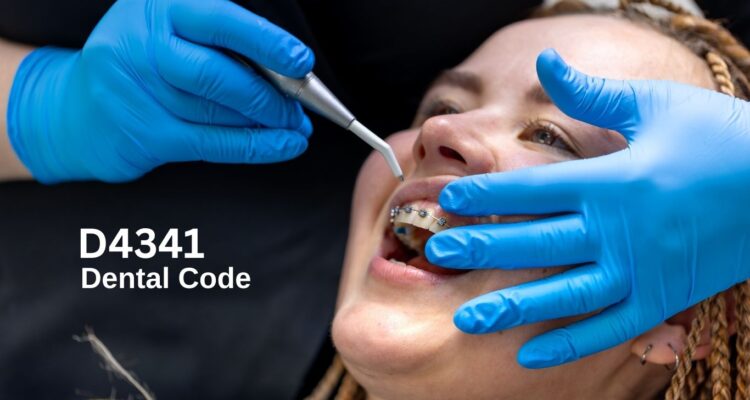
Dental Code 4341: Need to Know About Scaling and Root Planing

When it comes to dental care, understanding the various codes that dentists use to describe procedures can be overwhelming for patients. One of the key codes that you might encounter is dental code 4341. This code refers to a specific dental procedure known as scaling and root planing. While this procedure may sound complex, it plays an essential role in maintaining oral health, especially when gum disease is present.

In this article, we will break down what dental code 4341 entails, why it is important, and how it impacts your dental treatment plan. By the end, you’ll have a clear understanding of this procedure and why it could be a crucial part of your oral health care.

What Is Dental Code 4341?

Dental code 4341 refers to the scaling and root planing procedure, which is a deep cleaning technique primarily used to treat periodontal disease or gum disease. This procedure targets the surfaces of the teeth below the gum line, removing plaque, tartar, and bacteria that regular cleanings can’t reach. Essentially, it’s a more intensive form of cleaning meant for patients whose gums have begun to recede or show signs of infection.

What Happens During Scaling and Root Planing?

Scaling and root planing involve two main steps:

Scaling:

This part of the procedure focuses on removing plaque and tartar from the surfaces of the teeth, particularly below the gum line. Dentists use specialized tools, such as ultrasonic instruments or hand scalers, to remove hardened plaque (tartar) that can’t be removed by regular brushing or flossing.

Root Planing:

Once the plaque and tartar are removed, root planing smoothens the tooth roots. This step helps the gums reattach to the teeth, promoting healing and reducing the risk of future infections. Smoother roots make it harder for plaque to accumulate, which helps prevent further gum disease.

Why Is Dental Code 4341 Important?

Scaling and root planing are crucial for patients with moderate to severe gum disease. Without proper treatment, gum disease can lead to tooth loss, bone damage, and other oral health complications. This procedure helps halt the progression of periodontal disease and restore your gums to a healthier state.

Prevents Tooth Loss:

If gum disease progresses without intervention, it can cause the gums to recede significantly, leading to tooth mobility and eventual tooth loss. Scaling and root planing are preventative measures to avoid this.

Reduces Inflammation:

Gum disease is often accompanied by inflammation and bleeding gums. Scaling and root planing help reduce this inflammation, which can prevent further damage to the gum tissue and underlying bone.

Restores Healthy Gums:

After the procedure, the gums may begin to heal, reattach to the teeth, and regain their normal function, helping to restore your oral health.

Who Needs Dental Code 4341?

Not everyone needs scaling and root planing, and it’s typically recommended for patients showing signs of moderate to severe gum disease. Some of the signs that may indicate the need for this procedure include:

Bleeding Gums:

If your gums bleed when you brush or floss, it could be a sign of gum disease that might require scaling and root planing.

Gum Recession:

If your gums are pulling away from your teeth, exposing the tooth roots, this could indicate the presence of periodontal disease.

Persistent Bad Breath:

Chronic bad breath (halitosis) may be caused by the bacteria that accumulate in the pockets of gum disease.

Loose Teeth:

When gum disease reaches its advanced stages, it can lead to loose teeth. Scaling and root planing help stabilize your teeth and prevent further movement.

Deep Pockets Around Teeth:

Dentists measure the space between your gums and teeth using a probe. If the pockets are deeper than 3mm, it could indicate a more severe case of gum disease requiring scaling and root planing.

The Benefits of Scaling and Root Planing

Opting for dental code 4341 treatment comes with several benefits, particularly for those at risk of or suffering from gum disease. Here’s a closer look at the key advantages:

  • Improved Gum Health: By removing harmful bacteria and toxins from beneath the gum line, scaling and root planing help promote healthier gums and reduce the risk of infections.

  • Reduction of Gum Pockets: The procedure can reduce the depth of gum pockets, making it more difficult for plaque and bacteria to accumulate in the future.

  • Minimized Risk of Tooth Loss: By halting the progression of gum disease, scaling and root planing can help prevent the need for tooth extractions down the road.

  • Enhanced Aesthetic Appeal: Healthy gums contribute to a better-looking smile, with less redness, swelling, and bleeding.

Aftercare Following Scaling and Root Planing

Proper aftercare is essential for the success of scaling and root planing. The following steps will help you maintain your oral health and promote healing after the procedure:

  1. Manage Sensitivity: After the procedure, some patients experience tooth sensitivity. You can manage this with over-the-counter pain relievers, as directed by your dentist, and by using a toothpaste for sensitive teeth.

  2. Follow Up Visits: Regular follow-up appointments with your dentist are crucial to monitor healing and ensure that the gums are reattaching properly to the teeth.

  3. Maintain Good Oral Hygiene: Keeping your teeth and gums clean is critical after scaling and root planing. Brush your teeth gently, floss carefully, and avoid irritating your gums for a few days after the procedure.

  4. Avoid Certain Foods: For a short period after the procedure, it’s best to avoid hard, crunchy, or hot foods that might irritate your gums. Soft foods and lukewarm liquids are easier on your mouth as it heals.

  5. Avoid Smoking: Smoking can hinder the healing process and increase your risk of developing further gum disease. It’s best to refrain from smoking during your recovery period.

How Dental Code 4341 Relates to Insurance and Coverage

Understanding how dental code 4341 interacts with your insurance coverage is important. Many dental insurance plans provide partial or full coverage for scaling and root planing, especially if it is deemed medically necessary due to gum disease.

Insurance Approval:

Your dentist may submit a claim for scaling and root planing to your insurance provider. Depending on your plan, you may be responsible for a portion of the cost.

Frequency of Coverage:

Insurance plans often limit the number of times scaling and root planing can be done within a given timeframe. Typically, this procedure is done once every 2-3 years, depending on the severity of your gum disease.

Out-of-Pocket Costs:

If your insurance doesn’t cover the procedure, or if you have a high-deductible plan, you may need to pay out-of-pocket. However, many dentists offer payment plans or financing options to help ease the financial burden.

Conclusion

Dental code 4341, which refers to scaling and root planing, is an important treatment for managing gum disease and improving your oral health. While it’s a more intensive procedure than a regular cleaning, it plays a crucial role in preventing tooth loss and restoring gum health. If you’re experiencing symptoms of gum disease, such as bleeding gums or persistent bad breath, scaling and root planing might be necessary to address the issue before it becomes more severe.

By understanding the importance of this procedure and seeking timely treatment, you can maintain healthier gums and enjoy a better, more confident smile. Always consult with your dentist to determine if dental code 4341 is right for your needs.

Why Do My Bottom Teeth Hurt

If you’ve been experiencing discomfort or pain in your bottom teeth, you’re probably wondering, “Why do my bottom teeth hurt?” Whether the pain is dull or sharp, it’s not something you should ignore. Bottom teeth pain can arise from a variety of issues, ranging from tooth decay to gum disease or even nerve-related problems. Understanding the underlying causes is essential for identifying the correct course of treatment.

In this article, we’ll delve into the common causes of bottom teeth pain, the symptoms to look out for, and the best practices to alleviate discomfort. Armed with this information, you’ll be able to take the necessary steps toward resolving the pain and preventing it from recurring.

Common Causes of Bottom Teeth Pain

Understanding the root cause of your pain is the first step in alleviating it. Here are some common causes:

1. Tooth Decay and Cavities

Tooth decay is one of the most frequent causes of tooth pain. It begins when plaque—a sticky film of bacteria—builds up on the teeth. The acids produced by these bacteria begin to erode the enamel of the teeth, leading to cavities.

As the decay progresses, it can affect the nerves within the tooth, causing sharp, throbbing pain. Cavities in the bottom teeth are particularly common because they are more difficult to reach while brushing and flossing, leading to a buildup of plaque and bacteria.

How to Treat It?

  • Visit the dentist: If you suspect a cavity, it’s important to visit a dentist who can clean and fill the cavity.

  • Preventive care: Regular brushing, flossing, and professional cleanings help prevent cavities.

2. Gum Disease (Gingivitis or Periodontitis)

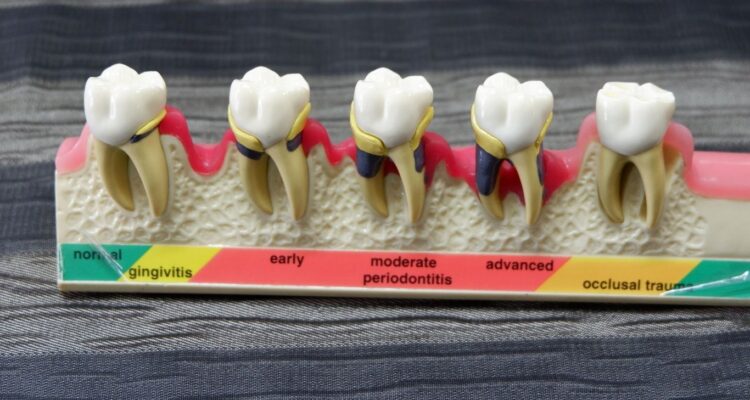
Gum disease begins with gingivitis, which is the inflammation of the gums. This can result from a buildup of plaque near the gum line. If left untreated, gingivitis can progress into periodontitis, a more severe form of gum disease that causes the gums to recede, exposing the roots of the teeth and resulting in painful symptoms.

When the gums become infected, they can cause pain, swelling, and bleeding, often affecting the bottom teeth more than the top.

Signs of Gum Disease:

  • Bleeding gums

  • Swollen or tender gums

  • Bad breath

  • Receding gums

  • Tooth mobility

Treatment Options:

  • Scaling and root planing: This deep cleaning procedure removes plaque and tartar from below the gum line.

  • Antibiotics: In some cases, antibiotics may be prescribed to control the infection.

3. Tooth Sensitivity

Tooth sensitivity is another reason why you might experience discomfort in your bottom teeth. This occurs when the enamel on the teeth wears away, exposing the underlying layer of dentin. Dentin is more sensitive to temperature changes and certain foods, which can trigger pain when consuming hot, cold, or sugary substances.

Causes of Tooth Sensitivity:

  • Worn enamel

  • Gum recession

  • Teeth grinding (bruxism)

  • Use of abrasive toothpaste

What to Do About It:

  • Use desensitizing toothpaste: These are specially formulated to reduce sensitivity.

  • Avoid acidic or extreme-temperature foods: Limiting foods that trigger pain can provide relief.

Symptoms to Watch Out For

Knowing when to seek help for bottom teeth pain can prevent further damage and help treat the underlying cause faster. Here are some symptoms to look out for:

4. Swollen or Bleeding Gums

If your bottom teeth are painful, and your gums are swollen or bleed when brushing, this could be a sign of gum disease. Bleeding gums are one of the earliest signs of gingivitis, which, if untreated, can lead to periodontitis. Additionally, swollen gums can put pressure on the teeth, resulting in pain.

When to Seek Treatment?

  • If you notice persistent bleeding or swelling, schedule a dentist appointment as soon as possible to address the issue before it worsens.

5. Sharp or Throbbing Pain

If the pain in your bottom teeth is sharp or throbbing, it could indicate nerve damage or an abscessed tooth. An abscess forms when bacteria infect the pulp of the tooth, causing an accumulation of pus that leads to severe pain and swelling.

An abscessed tooth is a serious condition that requires immediate medical attention to prevent the infection from spreading.

Other Warning Signs of an Abscess:

  • Bad taste in the mouth

  • Fever

  • Swelling in the jaw or face

  • Persistent, severe pain

Treatment:

  • Root canal therapy: This procedure removes the infected pulp from the tooth, alleviating the pain and preventing further infection.

  • Antibiotics: To treat any bacterial infection associated with an abscess.

Possible Underlying Health Issues

Sometimes, the pain in your bottom teeth can stem from issues unrelated to the teeth themselves. Below are some health conditions that might contribute to your tooth pain:

6. Impacted Wisdom Teeth

Impacted wisdom teeth occur when the third molars don’t have enough space to emerge properly through the gums. This can cause pressure and pain, particularly in the bottom teeth. Impacted wisdom teeth may also lead to infection, swelling, and damage to surrounding teeth.

How to Handle Impacted Wisdom Teeth:

  • Extraction: In many cases, impacted wisdom teeth need to be extracted to alleviate pain and prevent further complications.

  • Pain relief: Over-the-counter pain medications can help manage the discomfort while you wait for treatment.

7. Teeth Grinding (Bruxism)

If you grind your teeth at night or during periods of stress, it can lead to significant pain in your bottom teeth. This constant grinding wears down the enamel and can cause jaw pain, headaches, and tooth sensitivity.

Signs You Might Be Grinding Your Teeth:

  • Worn-down teeth

  • Jaw pain or tightness

  • Headaches

  • Tooth sensitivity

What Can You Do?

  • Nightguards: A dentist can fit you with a nightguard to protect your teeth from the effects of grinding.

  • Stress management: Reducing stress levels can help decrease the frequency of bruxism.

How to Alleviate Bottom Teeth Pain

There are several ways to alleviate bottom teeth pain, depending on the cause:

8. Proper Oral Hygiene

Maintaining excellent oral hygiene is essential for preventing and managing tooth pain. Brushing twice a day, flossing, and using mouthwash can remove plaque, reduce bacteria, and prevent cavities and gum disease, which are major contributors to bottom teeth pain.

Tips for Effective Oral Hygiene:

  • Use fluoride toothpaste: Fluoride helps strengthen enamel and prevent decay.

  • Floss daily: This removes food particles and plaque between teeth.

  • Use mouthwash: An antibacterial mouthwash can help reduce plaque buildup.

9. Visit the Dentist Regularly

Routine visits to the dentist can help catch issues before they develop into serious problems. Professional cleanings remove plaque and tartar buildup that can cause cavities and gum disease. Dentists can also spot early signs of infections or wisdom teeth issues and offer timely treatment.

How Often Should You Visit the Dentist?:

  • Schedule regular dental check-ups every six months for optimal oral health.

10. Over-the-Counter Pain Relief

For temporary relief from pain, you can take over-the-counter pain medications such as ibuprofen or acetaminophen. These medications can help reduce inflammation and manage pain while you wait for your dentist appointment.

Other Home Remedies:

  • Saltwater rinse: Rinsing your mouth with warm salt water can help reduce swelling and kill bacteria.

  • Cold compress: Applying a cold compress to the affected area can reduce inflammation and numb the pain.

Frequently Asked Questions (FAQs)

1. Why do my bottom teeth hurt when I chew?

Pain while chewing often points to tooth decay, cavities, or even gum disease. It’s best to see a dentist to determine the exact cause.

2. Can gum disease cause pain in my bottom teeth?

Yes, gum disease (gingivitis or periodontitis) can cause pain, swelling, and sensitivity in the bottom teeth due to inflammation of the gums.

3. How can I prevent pain in my bottom teeth?

Maintain good oral hygiene, brush regularly, floss daily, and visit your dentist for routine check-ups to prevent tooth pain.

4. Should I be worried about wisdom teeth pain?

Wisdom teeth pain could indicate impaction or infection. A dentist can assess whether removal is necessary.

5. What should I do if my bottom teeth are very sensitive?

Try using desensitizing toothpaste, avoid acidic foods, and visit a dentist to check for any underlying issues.

6. How long does it take for a tooth infection to heal?

With proper dental care, a tooth infection can heal in a few days to a couple of weeks. It’s important to follow your dentist’s instructions carefully to prevent further complications.

Conclusion

Bottom teeth pain can result from various causes, including tooth decay, gum disease, sensitivity, and impacted wisdom teeth. While the pain can be uncomfortable, identifying the cause early on can help prevent further damage and improve your overall dental health. Be proactive in maintaining good oral hygiene, and seek professional dental care to address persistent or severe pain. By taking these steps, you can protect your bottom teeth and enjoy a pain-free smile.

D4263 Dental Code: Everything You Need to Know

If you’ve ever found yourself navigating the maze of dental procedures, chances are you’ve come across various dental codes, such as the d4263 dental code. These codes serve as a vital component in dental billing and insurance, helping ensure that dental professionals and insurance companies stay on the same page. But what does the d4263 dental code actually represent? In this article, we’ll explore what it is, how it’s used, and why it’s important for both dental professionals and patients alike.

What Is the d4263 Dental Code?

The d4263 dental code is part of the Current Dental Terminology (CDT) system, which is maintained by the American Dental Association (ADA). This system is used by dentists, insurance companies, and healthcare providers to standardize dental treatments and services.

Specifically, the d4263 dental code refers to the procedure for gingival flap surgery with bone replacement grafts. This treatment is often performed to address gum issues, such as severe gum recession or periodontitis, where bone and tissue are damaged due to bacterial infection or other causes.

The Importance of the d4263 Dental Code

For dental professionals, the d4263 dental code is important because it allows them to accurately document and bill for the procedure. It ensures that the treatment is properly categorized, making it easier for insurance companies to process claims and for patients to understand what treatment they are receiving.

For patients, understanding the d4263 dental code is key to knowing what type of treatment they are receiving and how it will be covered by insurance. Since procedures like gingival flap surgery often involve multiple steps, having the right code ensures that all aspects of the treatment are billed appropriately.

When Is the d4263 Dental Code Used?

The d4263 dental code is typically used when a patient requires a gingival flap surgery with bone replacement grafts. This procedure is commonly performed in cases of severe periodontal disease or significant bone loss due to gum disease.

Here are some specific scenarios where the d4263 dental code may be used:

  • Periodontitis Treatment: When a patient has advanced periodontitis, which causes deep pockets between the teeth and gums, gingival flap surgery with bone replacement grafts may be needed to restore gum and bone health.

  • Severe Gum Recession: In cases where the gums have receded significantly, exposing the roots of the teeth, the d4263 dental code is used to address this issue and improve the appearance and function of the gums.

  • Bone Loss Due to Trauma: If a patient experiences trauma to the gums and surrounding bone, gingival flap surgery with bone grafts may be used to help rebuild the area.

How Does the d4263 Dental Code Work in Dental Billing?

Dental billing can be confusing, but understanding the d4263 dental code helps clarify the process. When a dentist performs a procedure that involves gingival flap surgery with bone replacement grafts, they use the d4263 dental code to categorize the treatment. This code is then submitted to the patient’s insurance company, which uses the code to assess whether the treatment is covered under the patient’s plan.

For insurance companies, the d4263 dental code ensures that they are accurately reimbursed for the procedure. It helps establish the complexity of the treatment, the materials used, and the time involved in completing the surgery.

The Procedure for Gingival Flap Surgery with Bone Replacement Grafts

Gingival flap surgery is a procedure used to treat severe gum disease, and it involves lifting the gum tissue away from the teeth to access the underlying bone. This allows the dentist to remove plaque, tartar, and infected tissue. Bone grafting may also be performed to replace the bone lost due to periodontitis.

Here is a breakdown of what the procedure involves:

  1. Anesthesia: The procedure begins with local anesthesia to ensure that the patient is comfortable and pain-free during the surgery.

  2. Incision: The dentist makes an incision in the gum tissue to create a flap. This allows the dentist to access the bone and tooth roots more easily.

  3. Cleaning and Debridement: The dentist thoroughly cleans the exposed area, removing any infected tissue and bacteria.

  4. Bone Grafting: If necessary, bone grafting materials are used to rebuild the bone that has been lost due to gum disease.

  5. Suturing: The gum tissue is then repositioned and sutured back in place, covering the grafted bone.

  6. Post-Operative Care: After the procedure, the dentist will provide specific care instructions to help with recovery and ensure the success of the surgery.

The Role of Bone Grafts in Gingival Flap Surgery

One of the key aspects of the d4263 dental code is the use of bone replacement grafts. Bone grafts are typically used when there is significant bone loss due to gum disease or trauma. These grafts can be made from various materials, including:

  • Autografts: Bone taken from another part of the patient’s body.

  • Allografts: Donor bone from a cadaver.

  • Xenografts: Bone taken from another species, such as cows.

  • Alloplasts: Synthetic bone materials.

The purpose of bone grafting is to restore the bone structure and create a stable foundation for the gums and teeth. Over time, the bone graft will fuse with the existing bone, promoting healing and improving the overall function of the teeth and gums.

The Benefits of Gingival Flap Surgery with Bone Replacement Grafts

The d4263 dental code is associated with a procedure that provides significant benefits for patients dealing with severe gum disease and bone loss. Some of the key advantages of gingival flap surgery with bone replacement grafts include:

  • Improved Gum Health: The surgery helps eliminate infection and restore the health of the gums, reducing the risk of further complications.

  • Bone Regeneration: Bone grafting helps regenerate lost bone, which can improve the stability of teeth and prevent further bone loss.

  • Enhanced Aesthetics: The procedure can improve the appearance of the gums, especially in cases of severe gum recession.

  • Long-Term Oral Health: By addressing the root cause of gum disease and bone loss, gingival flap surgery can prevent future dental problems and improve long-term oral health.

Is the d4263 Dental Code Covered by Insurance?

In most cases, the d4263 dental code is covered by dental insurance, but the extent of coverage will vary depending on the insurance plan. Some plans may cover the procedure fully, while others may only cover a portion of the cost. Patients should check with their insurance provider to determine their coverage and any out-of-pocket costs associated with the procedure.

Conclusion

The d4263 dental code plays an essential role in ensuring that dental treatments are accurately documented and billed. Whether you are a dental professional or a patient, understanding the meaning of this code can help navigate the world of dental insurance and procedures with greater clarity.

If you or someone you know is facing issues like severe gum disease or bone loss, it’s important to consult with a qualified dental professional who can guide you through treatment options and help determine if gingival flap surgery with bone replacement grafts is the right solution.

By understanding the d4263 dental code and its associated procedure, you’ll be better prepared for your dental journey, ensuring that you receive the care you need with minimal confusion or delay.

D2791 Dental Code: Guide to Dental Crown

The D2791 dental code is a vital part of dental procedures, specifically in the area of crowns. It helps dental professionals and insurance companies identify specific treatments for patients who require full-coverage crowns. This code is critical in ensuring accurate billing, treatment planning, and insurance reimbursement. In this article, we’ll break down what the D2791 code means, when it’s used, and how it impacts both patients and dental practitioners. Whether you’re a patient or a dentist, understanding this code will streamline the process of dental treatment and claims.

1. What is the D2791 Dental Code?

The D2791 dental code refers to a specific type of dental crown—a full cast crown. This type of crown is often made from metal and is designed to cover the entire tooth structure for both protection and durability. Typically, this type of crown is used for molars or teeth at the back of the mouth where strength is essential.

  • When to Use the D2791 Code
    The D2791 code is typically used when a dentist recommends a full cast crown for a tooth that has been significantly damaged due to decay or injury. This code is important for insurance companies to process the claim and for dental practitioners to record the correct procedure.

  • Why the D2791 Code Matters
    By using the correct code, the dentist ensures that the procedure is accurately recorded for billing purposes. It also ensures that the patient gets the appropriate coverage under their insurance plan.

2. Detailed Breakdown of the D2791 Code

The Structure of Full Cast Crowns

The D2791 code applies to crowns made of full cast metal, which can be gold, silver, or other strong alloys. These crowns are designed for:

  • Durability
    Full cast crowns are incredibly durable and are often used in areas that experience heavy chewing pressure.

  • Strength
    The metal construction provides superior strength, making it an excellent option for molars or teeth that are difficult to restore with other materials.

  • Long-Lasting Solutions
    These crowns are known to last many years, often outperforming other crown types in terms of longevity.

3. The D2791 Code and Insurance Claims

Insurance claims often rely on dental codes for processing. Here’s how it impacts your dental insurance:

  1. Insurance Processing
    Insurance companies use the D2791 code to determine whether a procedure is covered under a patient’s plan. Without the correct code, a claim may be rejected.

  2. Billing Procedures
    Dentists use this code to accurately bill for the services rendered. Incorrect coding could lead to billing errors or delays.

  3. Cost Considerations
    Full cast crowns tend to be more expensive than other types of crowns. Knowing the insurance coverage for D2791 can help patients prepare for potential out-of-pocket costs.

4. How to Choose the Right Crown for Your Dental Needs

There are several types of dental crowns, each with unique benefits. Here’s how to choose the right one:

  • Full Cast Crowns (D2791)
    Best for molars or teeth that require significant durability and strength.
    Pros: Long-lasting, durable, and resistant to wear.

  • Porcelain Crowns (D2740)
    Ideal for patients who want a more aesthetically pleasing crown.
    Pros: Matches the natural color of teeth, but may not be as durable as metal.

  • Porcelain-Fused-to-Metal Crowns (D2750)
    A balance of strength and aesthetics, often used for front and back teeth.
    Pros: Stronger than pure porcelain, but may show metal along the gum line.

FAQ

1. What does the D2791 dental code refer to?
The D2791 dental code refers to a full cast crown, typically made of metal, used to restore severely damaged or decayed teeth.

2. Why is the D2791 code used in dental procedures?
It’s used to classify and bill for full cast crowns, ensuring proper insurance coverage and billing.

3. What are the advantages of a full cast crown?
Full cast crowns are durable, long-lasting, and provide strength for heavy chewing. They are ideal for back teeth.

4. Can a D2791 crown be used for front teeth?
While D2791 crowns are strong, they are not typically used for front teeth due to their metal appearance. Porcelain or porcelain-fused-to-metal crowns are preferred for aesthetics.

5. How does the D2791 code affect my dental insurance?
Using the correct code ensures that your dental insurance can process your claim for the crown accurately.

Conclusion:

The D2791 dental code is essential for patients requiring a full cast crown. Whether you’re dealing with a damaged molar or a tooth that needs added strength, this code helps ensure the correct procedure is followed, insurance is processed, and the treatment is accurately billed. As with any dental procedure, it’s important to discuss the options with your dentist to determine the best course of action for your specific needs.

Why Do My Bottom Teeth Feel Tight? The Causes and Solutions

If you’ve ever experienced tightness in your bottom teeth, you’re not alone. It’s a feeling that many people go through, yet it’s often hard to pinpoint exactly why it happens. The sensation of tightness can be uncomfortable and sometimes concerning, leaving you wondering whether it’s something serious or just a temporary issue. The truth is, there are several potential causes for this discomfort, ranging from simple habits to more serious dental problems. In this article, we will break down the most common reasons why your bottom teeth feel tight and how you can manage or fix the problem. Whether it’s due to teeth grinding, gum disease, or orthodontic adjustments, understanding the cause is the first step toward relief.

1. Teeth Grinding (Bruxism)

Teeth grinding, also known as bruxism, is one of the most common causes of tightness in the bottom teeth. This condition usually occurs unconsciously, often during sleep, and can lead to significant discomfort in the jaw and teeth. When you grind or clench your teeth, you put excessive pressure on them, which can cause muscles in the jaw to tighten. This is typically due to stress, anxiety, or even sleep disorders, which can contribute to the involuntary grinding.

The tightness in your teeth can feel like they are being squeezed, and if the grinding is severe, it can lead to tooth wear, jaw pain, headaches, and a general feeling of discomfort in your bottom teeth. If left untreated, bruxism can lead to more serious complications, such as tooth fractures or temporomandibular joint (TMJ) disorders.

Symptoms of Bruxism:

  • Jaw pain or tenderness

  • Flattened or worn-down teeth

  • Frequent headaches, especially in the morning

  • A clicking or popping sound in the jaw

  • Tightness in the bottom teeth

2. Malocclusion (Teeth Misalignment)

Malocclusion, or misalignment of your teeth, can cause your bottom teeth to feel tight. This happens when your teeth do not fit together properly, causing an uneven distribution of pressure across your bite. When your teeth are misaligned, it forces your teeth to compensate for the misalignment, which leads to tension and tightness in specific areas, often in the lower teeth.

Misalignment can be due to genetic factors, childhood habits (such as thumb-sucking), trauma to the mouth, or a lack of early dental intervention. The most common types of misalignment include overbite, underbite, and crossbite. If left untreated, malocclusion can not only lead to tightness but also cause difficulty with chewing and speaking.

Common Types of Malocclusion:

  • Overbite: The upper teeth overlap too much over the bottom teeth.

  • Underbite: The lower teeth protrude beyond the upper teeth.

  • Crossbite: Some upper teeth sit inside the bottom teeth, which causes extra pressure.

3. Gum Disease or Infection

Gum disease, also known as periodontal disease, can affect the stability of your teeth and cause a sensation of tightness. When the gums become inflamed, infected, or recede, it can create changes in the tissue surrounding your teeth, making them feel loose or tight. Gum disease is often a result of poor oral hygiene, which leads to the accumulation of plaque and tartar around the gum line.

When gum disease progresses, it can lead to bone loss, further causing your bottom teeth to shift and feel tight or uncomfortable. Early-stage gum disease, known as gingivitis, is typically reversible with proper oral care. However, if left untreated, it can lead to periodontitis, which may require more intensive treatment.

Symptoms of Gum Disease:

  • Swollen, red, or bleeding gums

  • Receding gums

  • Loose teeth

  • Persistent bad breath

  • Pain when chewing or brushing

4. Impact of Orthodontic Treatment (Braces)

If you have recently started orthodontic treatment, particularly with braces or clear aligners, you may experience tightness in your bottom teeth. This is a common experience during the first few weeks after getting braces or following any adjustments to your braces. The reason for this is simple: braces work by gradually shifting your teeth into the correct position, which often involves applying continuous pressure. This pressure can create a feeling of tightness, especially when your teeth are first starting to move.

While this sensation can be uncomfortable, it’s typically a temporary issue. Over time, as your teeth align properly, the feeling of tightness should lessen. If the discomfort persists or worsens, it’s important to consult your orthodontist to ensure there are no complications with the treatment.

Coping Tips for Braces-Induced Tightness:
  • Use orthodontic wax to ease discomfort from braces brackets.

  • Stick to soft foods during the adjustment period.

  • Take over-the-counter pain relievers as recommended by your orthodontist.

5. Poor Dental Hygiene Practices

Sometimes, tightness in your bottom teeth can be a direct result of poor oral hygiene. Inadequate brushing and flossing allow plaque and tartar to build up on your teeth, which can irritate the gums and lead to tightness or discomfort. If plaque accumulates, it can cause gum disease, which, as we’ve discussed, can affect the stability of your teeth. In addition to this, poor oral hygiene can also lead to tooth decay and cavities, both of which can create pressure on your teeth.

Maintaining a consistent and effective oral hygiene routine is crucial for preventing these issues. Brushing your teeth twice a day, flossing daily, and visiting your dentist for regular cleanings can all help ensure your teeth remain healthy and free from discomfort.

Tips for Maintaining Proper Oral Hygiene:

  • Brush your teeth for at least two minutes twice a day with fluoride toothpaste.

  • Floss daily to remove plaque between teeth.

  • Use an antibacterial mouthwash to reduce plaque buildup.

  • Visit your dentist for regular checkups and cleanings.

Solutions for Relieving Tightness in Your Bottom Teeth

1. Visit Your Dentist Regularly

The best way to address the tightness in your bottom teeth is by seeing your dentist regularly. Routine dental checkups can help identify early signs of bruxism, misalignment, gum disease, or any other issues contributing to the discomfort. Regular cleanings are essential to maintaining optimal oral health and preventing any buildup that could lead to tightness in the teeth.

2. Use a Mouthguard for Teeth Grinding

If bruxism is the cause of your tightness, your dentist may recommend wearing a custom-made mouthguard. A mouthguard will protect your teeth from the damage caused by grinding, reduce muscle strain, and help relieve the tightness. This simple device is often worn during sleep to prevent unconscious grinding.

3. Orthodontic Treatment Options

For misalignment issues, orthodontic treatments such as braces or clear aligners can help shift your teeth into proper alignment, thereby reducing the tightness you may be experiencing. It’s essential to consult an orthodontist to discuss which treatment option will work best for you.

4. Improve Your Oral Hygiene

By improving your oral hygiene, you can prevent plaque buildup, gum disease, and tooth decay, which are all contributing factors to tightness in your bottom teeth. Make sure to brush and floss regularly and visit your dentist for professional cleanings.

Frequently Asked Questions (FAQs)

Q1: Can teeth grinding cause tightness in my bottom teeth?

Yes, bruxism (teeth grinding) is one of the main causes of tightness in the bottom teeth. Grinding places excess pressure on your teeth, which can result in discomfort and tightness.

Q2: How do I know if my tight teeth are caused by misalignment?

If you feel discomfort when biting, chewing, or even at rest, it may be due to misalignment. Your dentist or orthodontist can help confirm if this is the case.

Q3: Will braces make my bottom teeth feel tighter?

Yes, braces can cause temporary tightness in your bottom teeth as they begin to shift into their correct positions. This discomfort should lessen over time as your teeth realign.

Q4: How can I stop teeth grinding at night?

Wearing a custom mouthguard at night is the most effective way to prevent teeth grinding and reduce tightness in your bottom teeth.

Q5: Is gum disease responsible for tightness in my teeth?

Yes, gum disease can cause tightness in the bottom teeth as it affects the gums and supporting bone structure. Early detection and treatment by your dentist can prevent further complications.

Q6: How can I relieve the discomfort from tightness in my bottom teeth?

To relieve tightness, it’s important to address the root cause, whether that’s bruxism, misalignment, or gum disease. Consult with your dentist for personalized advice and treatment.

Conclusion

The sensation of tightness in your bottom teeth can be caused by a variety of factors, including bruxism, misalignment, gum disease, and orthodontic treatment. Understanding the underlying cause is the first step toward finding an effective solution. Whether it’s by addressing stress-induced teeth grinding, improving your oral hygiene, or seeking orthodontic treatment, there are many ways to relieve the discomfort and improve your dental health. If the tightness persists or becomes more painful, don’t hesitate to consult with your dentist to explore further treatment options.

1 2 3 4 11