Author: Julie Graham

How to Effectively Remove Calcium Deposits on Teeth at Home: Expert Tips and Remedies

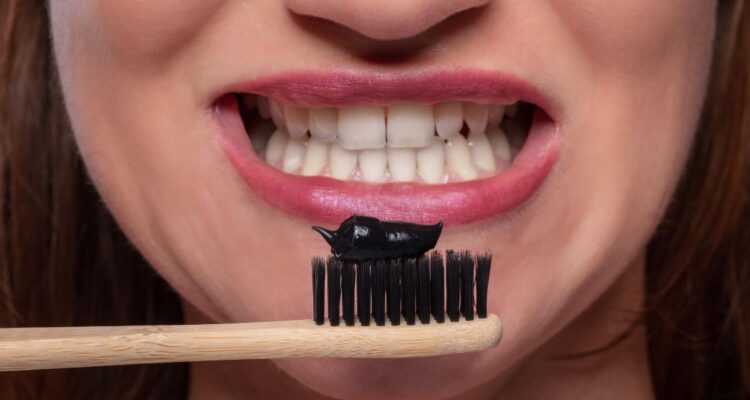
Calcium deposits on teeth, also known as tartar or dental calculus, are a common yet preventable dental issue. These deposits are a hardened form of plaque that forms when the minerals from saliva mix with the plaque buildup on your teeth. If left untreated, calcium deposits can lead to gum disease, tooth decay, and an overall poor appearance of your smile. While professional cleanings by a dentist are the most effective way to remove heavy tartar, there are several ways to manage and even remove calcium deposits at home. This article will guide you through the process, sharing simple yet effective techniques, tools, and habits that can help you maintain a clean, healthy mouth without the need for costly dental visits.

Understanding how calcium deposits develop on your teeth is essential to effectively address and prevent them.

Calcium deposits, or tartar, start as plaque, a sticky substance that forms on teeth after eating or drinking. Plaque is made up of food particles, bacteria, and saliva. When plaque isn’t removed through regular brushing and flossing, it hardens into tartar. The minerals found in saliva, particularly calcium, contribute to this hardening process. Over time, tartar can lead to visible stains on teeth and potential oral health issues such as gum disease, bad breath, and tooth decay.

To prevent the formation of calcium deposits, it’s crucial to understand that plaque is the initial culprit. Preventing plaque buildup through good oral hygiene is your first defense against tartar.

Effective Home Remedies to Remove Calcium Deposits

If you already have calcium deposits on your teeth, these home remedies can help reduce their buildup and maintain cleaner teeth.

Baking Soda and Water

Baking soda is a natural abrasive that can gently scrub away surface stains and buildup. It works by breaking down the plaque and helping prevent tartar formation. To use, mix a teaspoon of baking soda with a small amount of water to create a paste. Use your toothbrush to apply the paste and gently brush your teeth. Be careful not to scrub too aggressively to avoid damaging your enamel.

Apple Cider Vinegar (ACV)

Apple cider vinegar is another effective home remedy for removing calcium deposits due to its acidic nature, which helps break down tartar. To use, dilute apple cider vinegar with water (1 part vinegar to 2 parts water) and rinse your mouth with the mixture for about 30 seconds. Avoid using this solution too frequently as the acidity can erode enamel if used excessively.

Coconut Oil Pulling

Coconut oil pulling is an ancient practice that involves swishing oil in your mouth for 15–20 minutes. It’s believed to help reduce plaque buildup, bacteria, and overall oral inflammation. The lauric acid found in coconut oil has natural antibacterial properties, making it a great option to help combat plaque and tartar buildup. To use, simply swish a tablespoon of coconut oil around your mouth for 15–20 minutes and then spit it out.

Hydrogen Peroxide

Hydrogen peroxide has natural whitening and antibacterial properties that can help eliminate tartar. Dilute hydrogen peroxide with an equal amount of water and use it as a mouthwash. You can also mix it with baking soda to form a paste for brushing your teeth. Be sure to avoid swallowing hydrogen peroxide and to rinse your mouth thoroughly afterward.

Lemon Juice

Lemon juice is a natural acid that can help remove tartar. It’s often combined with baking soda to create a powerful paste that works to scrub away buildup. To use, mix one tablespoon of lemon juice with baking soda and brush your teeth with the paste. Be sure to rinse your mouth afterward to prevent acidity from eroding your enamel.

The Role of Proper Oral Hygiene in Preventing Calcium Deposits

Maintaining a consistent oral hygiene routine is essential to preventing calcium deposits from forming on your teeth.

Proper oral hygiene is the foundation for preventing calcium deposits. Here are some essential habits to adopt:

Brush Twice a Day

Brushing your teeth at least twice a day is a fundamental step in removing plaque before it can harden into tartar. Use fluoride toothpaste and a soft-bristled toothbrush to gently scrub your teeth. Make sure to brush for at least two minutes each time and pay attention to all surfaces of your teeth.

Floss Daily

Flossing is essential for cleaning between your teeth where a toothbrush can’t reach. Flossing removes food particles and plaque, which can contribute to tartar buildup. It’s best to floss at least once a day, ideally before bedtime, to prevent plaque from sitting on your teeth overnight.

Use Antibacterial Mouthwash

An antibacterial mouthwash can help kill bacteria in your mouth and reduce plaque buildup. Choose a mouthwash that contains fluoride or antiseptic properties to target the bacteria that contribute to tartar. Rinsing with mouthwash is a simple way to enhance your oral hygiene routine and ensure your mouth stays fresh.

Avoid Smoking

Smoking is a major contributor to plaque and tartar buildup. It also stains teeth and can increase your risk of gum disease. Quitting smoking can significantly improve your oral health and reduce the likelihood of calcium deposits forming on your teeth.

The Best Tools for Home Teeth Cleaning

In addition to natural remedies, there are specific tools designed to help you remove calcium deposits and maintain a clean mouth at home.

Electric Toothbrush

Electric toothbrushes are more efficient than manual brushes at removing plaque and tartar. They are designed to make brushing easier and more effective, offering up to 40,000 brush strokes per minute. Electric toothbrushes often have built-in timers to ensure that you brush for the full two minutes recommended by dentists.

Tartar Scrapers

Tartar scrapers are tools specifically designed for removing tartar buildup. They are available in both manual and electric versions and can be used at home to gently scrape away hardened plaque. However, it’s essential to use these tools carefully to avoid damaging your tooth enamel.

Water Flossers

Water flossers, such as the popular Waterpik, use pressurized water to remove food particles and plaque from between your teeth. These devices are particularly helpful for people with braces or those who struggle with traditional flossing. Regular use of a water flosser can help prevent plaque and calcium deposits from forming.

Preventing Calcium Deposits in the Future

After removing existing calcium deposits, it’s important to adopt long-term strategies to prevent them from returning.

Stay Hydrated

Drinking plenty of water throughout the day helps to wash away food particles, bacteria, and saliva from your mouth. It also promotes the production of saliva, which contains natural enzymes that help prevent plaque buildup. Aim to drink water consistently to keep your mouth clean and healthy.

Limit Sugary and Acidic Foods

Foods high in sugar and acidity can contribute to plaque buildup and increase your risk of tartar. Sugary snacks and drinks feed the bacteria in your mouth, while acidic foods, such as citrus and soda, can erode tooth enamel. Limiting these foods can help keep your teeth cleaner and healthier.

Use Fluoride Products

Fluoride helps to strengthen tooth enamel and prevent the buildup of plaque. Using fluoride toothpaste and mouthwash can protect your teeth from future calcium deposits. Fluoride helps to remineralize your teeth and makes them more resistant to decay.

Visit the Dentist Regularly

Even with the best home care routine, it’s essential to see a dentist regularly for professional cleanings. Dentists can remove tartar that has built up over time and can spot early signs of oral health issues. Regular checkups are essential for maintaining long-term oral health.

FAQs:

Can I remove calcium deposits on my teeth at home?
Yes, there are several methods, such as using baking soda, apple cider vinegar, and coconut oil pulling, that can help manage calcium deposits at home. However, a dentist’s professional cleaning is the most effective for stubborn deposits.

How often should I brush to avoid calcium buildup?
Brushing your teeth twice a day is essential to prevent plaque buildup, which eventually hardens into tartar. Flossing daily also helps to remove plaque from hard-to-reach places.

Is coconut oil pulling effective for removing calcium deposits?
Yes, coconut oil pulling can help remove plaque and bacteria, reducing the risk of calcium buildup. However, it’s best used as a supplementary measure, not a replacement for regular brushing.

What happens if I leave calcium deposits on my teeth?
If left untreated, calcium deposits can lead to gum disease, cavities, and tooth decay. It can also make your teeth look yellow or stained.

Can a tartar scraper help with calcium deposits at home?
Yes, tartar scrapers are designed to remove tartar. However, they should be used gently and with care to avoid damaging your enamel. It’s also a good idea to consult with a dentist on how to use them properly.

Conclusion

Calcium deposits on teeth are a common issue that can significantly impact both your oral health and appearance. While professional cleanings are the most effective way to remove tartar, there are several natural remedies and tools you can use at home to manage or even eliminate calcium deposits. By maintaining proper oral hygiene, using natural treatments like baking soda, apple cider vinegar, and coconut oil, and visiting your dentist regularly, you can keep your teeth clean and healthy.

How Much Do Dental Implants Cost in the UK

Dental implants have revolutionized the way we address missing or damaged teeth. Offering a durable, long-term solution, they mimic the look, feel, and functionality of natural teeth. However, one question that looms over many people considering dental implants is the cost: How much do dental implants cost in the UK?

In this guide, we’ll take a closer look at the various factors that influence the cost of dental implants, what you can expect to pay, and how to navigate the process efficiently. From the initial consultation to the final restoration, dental implants can represent a significant investment, but understanding the costs involved will help you make an informed decision. Whether you’re seeking implants for cosmetic reasons or for a functional solution, we’ll help guide you through the financial aspects of getting a dental implant in the UK.

Understanding the Key Variables Behind Dental Implant Costs

The cost of dental implants in the UK can fluctuate significantly depending on a variety of factors. On average, a single dental implant can cost anywhere between £1,500 to £3,000. However, this price does not include additional costs, such as consultations, the crown placement, or any preliminary treatments. Below are the primary factors that will influence the final price of your dental implant procedure:

1. Location

The geographical location of your dentist plays a significant role in determining the overall cost of the procedure. Dental practices in larger cities like London, Manchester, or Birmingham often charge more due to higher living costs and the demand for specialized services. In contrast, more rural areas may offer more affordable prices.

2. Clinic Reputation and Surgeon Experience

As with any medical procedure, the expertise and reputation of the clinic and surgeon will impact the cost. Well-known dental clinics with a reputation for excellent results tend to charge a premium for their services. More experienced surgeons are typically able to achieve better results, which is why their fees may be higher.

3. Materials Used

The quality of the materials used for your dental implants will affect the overall cost. Most implants are made from titanium, but some clinics offer more advanced options like zirconia implants. Titanium implants are generally more affordable, but zirconia, known for being more biocompatible and aesthetically pleasing, may cost more.

4. Additional Procedures

Some patients may need additional procedures before dental implant surgery. For example, if the jawbone is too thin or weak to support an implant, bone grafting may be necessary. This can add several hundred or even thousands of pounds to the overall cost. Other treatments like sinus lifts or soft tissue grafting can also increase the final cost.

Average Cost Breakdown of Dental Implants in the UK

The price you pay for dental implants in the UK will vary depending on the complexity of your individual case, the clinic you choose, and the quality of materials used. Here’s a detailed breakdown of typical costs:

  • Initial Consultation: £50 to £150
    This is the first step in the implant process. The dentist will assess your oral health, take X-rays or CT scans if necessary, and discuss your treatment plan.

  • Implant Surgery: £1,500 to £3,000 per implant
    This is the actual insertion of the implant into the jawbone. Depending on the complexity, additional costs may apply for sedation or local anesthesia.

  • Restoration (Crown): £500 to £1,500
    The visible part of the implant is called the crown. This will be made to match the color and shape of your natural teeth. The cost will depend on the material chosen, such as porcelain or ceramic.

  • Additional Treatments:

    • Bone Grafting: £300 to £1,500

    • Sinus Lift: £1,000 to £2,500

    • Soft Tissue Grafting: £500 to £1,500

  • Total Cost:
    Depending on the complexity of your case, the total cost for a dental implant can range from £2,000 to £5,000 or more per implant.

Are Dental Implants Worth the Cost in the UK?

While the upfront cost of dental implants may seem steep, they offer a range of benefits that can make them a worthwhile investment in the long run. Here are some key reasons why many people opt for dental implants despite the cost:

  • Durability:
    Unlike dentures or bridges, dental implants are built to last. With proper care, they can last 20 years or longer, making them an excellent long-term solution.

  • Improved Functionality:
    Implants restore full chewing function, allowing you to eat and speak with confidence. They also help maintain the integrity of your facial structure by preventing bone loss.

  • Natural Appearance:
    Dental implants are designed to look and feel just like natural teeth. This makes them an ideal choice for those seeking a natural, seamless smile.

  • Better Oral Health:
    Unlike dentures, dental implants don’t require alterations to nearby teeth. This helps maintain the health and integrity of your remaining teeth and gums.

How to Choose the Right Dentist for Dental Implants in the UK

Choosing the right dentist or oral surgeon is crucial for the success of your dental implant procedure. Here are some factors to consider when making your decision:

1. Qualifications and Experience

Ensure that the dentist or oral surgeon is fully qualified to perform dental implant surgeries. Look for credentials like membership in the General Dental Council (GDC) and any specialized training in implantology.

2. Reviews and Testimonials

One of the best ways to gauge the quality of a clinic is by reading patient reviews. Look for testimonials from patients who have undergone similar procedures. Before-and-after photos can also give you a visual sense of the clinic’s work.

3. Technology and Techniques Used

Modern dental implant procedures often involve cutting-edge technology, such as 3D imaging or computer-guided surgery. Be sure to ask whether your clinic uses these advanced techniques to ensure precision and minimize complications.

4. Cost Transparency

While price should not be the only factor in your decision, it’s essential to choose a clinic that provides clear and upfront pricing. Avoid clinics that offer significantly lower prices, as they may compromise on quality or use substandard materials.

5. Consultation

Schedule consultations with multiple clinics to discuss your needs, ask questions about the procedure, and get a feel for the clinic’s approach to patient care. This is also an excellent time to inquire about financing options if needed.

How Much Do Dental Implants Cost in the UK?

The cost of dental implants in the UK can range from £1,500 to £3,000 per implant. This cost generally includes the implant itself, the crown, and any consultations or initial scans. However, additional procedures like bone grafting or sinus lifts may increase the overall cost. Be sure to get a detailed quote from your dentist before proceeding. It’s essential to select a clinic that uses high-quality materials and has a reputation for excellent results to ensure your long-term satisfaction.

FAQs

1. Are dental implants painful in the UK?
Dental implant procedures are generally painless due to local anesthesia. Some discomfort may follow, but this can typically be managed with over-the-counter pain medications.

2. How long do dental implants last in the UK?
With proper care, dental implants can last for 20 years or more, making them an excellent long-term investment.

3. Can I get dental implants if I have gum disease?
If you have gum disease, it will need to be treated before implants can be placed. Your dentist will evaluate your gum health and may recommend a cleaning or treatment to ensure the procedure’s success.

4. Are dental implants covered by insurance in the UK?
Dental implants are not always covered by insurance in the UK, but some policies may offer partial coverage. It’s important to check with your insurance provider for specific details.

5. How long does the entire dental implant process take?
The full process of receiving dental implants, from consultation to crown placement, can take several months due to the healing and osseointegration process. However, the actual surgery usually takes only one or two hours.

Conclusion

Yuma Dental Clinic offer a durable and aesthetically pleasing solution for replacing missing teeth. While the cost of implants in the UK can range from £1,500 to £3,000 per implant, the long-term benefits often outweigh the initial investment. Choosing the right clinic, understanding the costs involved, and ensuring you’re well-informed will help you make the best decision for your dental health. With proper care, dental implants can last for decades, making them a valuable investment in both your smile and your overall health.

Can You Stop a Cavity from Growing? Learn the Secrets to Prevent Tooth Decay

Cavities are a common dental issue that many people face throughout their lives. Once they begin, the question arises: can you stop a cavity from growing? While cavities are often seen as a permanent problem, there are measures that can help prevent further damage. With proper dental care, early intervention, and lifestyle adjustments, it is possible to manage cavities and prevent them from worsening. This article dives into ways you can stop a cavity from growing, focusing on the methods that make the most significant impact on your oral health.

What Are Cavities and How Do They Form?

Understanding the formation of cavities is the first step in preventing them from growing. Cavities are holes in the teeth caused by the gradual decay of tooth enamel. When bacteria in the mouth break down sugars from food, they produce acids that erode the enamel. If left untreated, this process continues to damage the deeper layers of the tooth, leading to larger cavities. The faster you address a cavity, the better your chances of stopping it from expanding.

The Role of Oral Hygiene in Preventing Cavities

One of the most effective ways to stop a cavity from growing is by maintaining proper oral hygiene. Regular brushing and flossing help remove plaque, a sticky film of bacteria that can lead to tooth decay. Here’s how to keep your teeth safe:

  • Brush your teeth at least twice a day with fluoride toothpaste.

  • Floss daily to remove plaque and food particles between your teeth.

  • Use an antibacterial mouthwash to reduce harmful bacteria in your mouth.

Good oral hygiene prevents plaque buildup and keeps acids from eating away at your enamel, giving you a better chance to stop a cavity from progressing.

Diet and Nutrition’s Impact on Cavities

Your diet plays a crucial role in the health of your teeth. Sugary and acidic foods can fuel the bacteria in your mouth, accelerating the cavity formation process. To slow down or stop a cavity from growing, consider making dietary adjustments:

Foods to Avoid:

  • Sugary snacks like candies, cakes, and soft drinks.

  • Acidic foods like citrus fruits and vinegar-based dressings.

Foods to Include:

  • Dairy products like cheese and milk, which help neutralize acids.

  • Vegetables and fruits high in fiber to stimulate saliva production.

  • Foods rich in calcium, phosphorus, and vitamin D to strengthen tooth enamel.

By incorporating these changes into your diet, you can help maintain healthy teeth and prevent cavities from worsening.

The Importance of Regular Dental Checkups

Regular visits to the dentist are essential for monitoring the progress of any cavities and addressing them before they grow too large. A dentist can spot early signs of cavities that you might miss, and they can apply treatments like fluoride varnishes or dental sealants that help protect your teeth. Professional cleanings also remove tartar buildup, which can exacerbate cavity formation.

Can You Reverse a Cavity in Its Early Stages?

If you catch a cavity early enough, it may be possible to reverse the damage with the help of fluoride. Fluoride strengthens enamel and can remineralize areas that have begun to decay. However, once the cavity has advanced past the enamel and into the deeper layers of the tooth, it cannot be reversed and requires professional treatment.

Fluoride Treatments and Remineralization

Fluoride helps remineralize areas of the tooth that have started to demineralize due to acid exposure. Dentists may apply fluoride directly to the affected area, or you can use fluoride toothpaste and mouth rinses at home. These treatments can help strengthen the tooth and stop the cavity from growing, especially in its early stages.

Can Natural Remedies Help Stop a Cavity from Growing?

While natural remedies may not fully reverse a cavity, some have been shown to reduce tooth decay or slow the process:

  • Oil Pulling: Swishing coconut or sesame oil around your mouth may help remove bacteria.

  • Green Tea: Rich in antioxidants, green tea can reduce harmful bacteria in the mouth.

  • Xylitol: This sugar substitute can reduce the growth of cavity-causing bacteria.

While these remedies may assist in slowing the progression of cavities, they should not replace professional dental care.

How Can You Prevent Cavities from Forming in the First Place?

Prevention is always better than treatment. If you’re looking to stop a cavity from growing, the most effective approach is to prevent it altogether.

Sealants and Dental Treatments

Dental sealants are a preventive measure where your dentist applies a thin layer of plastic to the chewing surfaces of your back teeth. This helps prevent food and bacteria from getting stuck in the grooves of your teeth, reducing the risk of cavities forming. Sealants are especially beneficial for children and teenagers.

The Impact of Smoking and Alcohol on Oral Health

Both smoking and excessive alcohol consumption contribute to dry mouth, which increases the risk of cavities. Smoking reduces the flow of saliva, which is essential for neutralizing acids and washing away food particles. Alcohol can also dry out your mouth and promote bacterial growth. Limiting these habits can help protect your teeth and stop cavities from developing.

FAQs

1. Can cavities heal on their own?
No, cavities cannot heal on their own. Once the enamel is damaged, it is essential to stop the decay early with fluoride treatment or dental intervention.

2. How long does it take for a cavity to spread?
Cavities can spread over months or years, depending on your oral care routine, diet, and lifestyle habits. Early detection is critical.

3. Is fluoride the best way to stop a cavity from growing?
Fluoride is highly effective in remineralizing early-stage cavities and preventing them from progressing. Regular fluoride treatments or toothpaste can help.

4. Are natural remedies enough to stop a cavity from growing?
While natural remedies like oil pulling or green tea may help, they should not replace proper dental treatment. It’s important to consult a dentist for cavities.

5. How often should I visit my dentist to check for cavities?
It’s recommended to visit your dentist every six months for a routine checkup and cleaning. Early cavity detection can prevent further damage.

Conclusion

In conclusion, while it may not be possible to completely reverse a cavity once it has formed deep within the tooth, there are several ways to stop it from growing or becoming worse. Regular oral hygiene, a balanced diet, professional dental care, and early intervention can all help to prevent the spread of decay. Remember, the key to stopping a cavity from growing lies in timely treatment and prevention efforts. Keep your teeth healthy, and don’t neglect your dental visits to keep those cavities at bay.

Can You Fix TMJ Without Surgery? Effective Solutions and Alternatives

Temporomandibular joint (TMJ) disorders can cause discomfort and pain, leading many to wonder, can you fix TMJ without surgery? While surgery is an option for severe cases, various non-invasive treatments offer relief and help manage the symptoms of TMJ disorders effectively. Whether you’re experiencing jaw pain, clicking sounds, or difficulty chewing, there are multiple ways to treat TMJ dysfunction without resorting to surgery.

In this article, we explore the best methods to fix TMJ without surgery, providing natural remedies, lifestyle changes, and professional treatments.

Understanding TMJ and Its Symptoms

TMJ disorders refer to issues with the temporomandibular joint, which connects your jaw to the skull. These disorders can lead to symptoms such as:

  • Jaw pain and tenderness

  • Clicking or popping sounds when moving the jaw

  • Difficulty or discomfort while chewing

  • Swelling around the jaw

  • Headaches or earaches

Understanding these symptoms is essential for identifying whether your discomfort is related to TMJ dysfunction and knowing when to seek treatment.

How Can You Fix TMJ Without Surgery?

There are several approaches to managing TMJ disorders without the need for surgery. These methods focus on alleviating pain, improving jaw movement, and addressing the underlying causes of TMJ dysfunction.

A. Physical Therapy and Exercises

Physical therapy can significantly reduce TMJ symptoms by improving jaw mobility and strengthening the muscles around the joint. Some exercises include:

  • Jaw relaxation exercises to relieve tension

  • Stretching and strengthening exercises for the jaw muscles

  • Posture exercises to reduce stress on the TMJ

By engaging in these exercises regularly, you can improve your jaw’s functionality and reduce pain over time.

B. Splints and Mouthguards

Dentists may recommend splints or mouthguards as a non-surgical treatment for TMJ. These devices are worn over the teeth to reduce jaw clenching, alleviate pressure on the TMJ, and protect against teeth grinding, which is often a contributing factor to TMJ disorders.

C. Stress Management Techniques

Since stress is a significant contributor to TMJ symptoms, practicing stress-reducing techniques such as mindfulness, meditation, and deep breathing exercises can help manage tension and minimize discomfort.

D. Medications and Pain Relief

Over-the-counter pain relievers like ibuprofen or acetaminophen can help reduce inflammation and manage pain. Additionally, muscle relaxants or anti-anxiety medications may be prescribed for more severe symptoms.

E. Hot and Cold Therapy

Applying hot or cold compresses to the affected area can help relieve pain and reduce inflammation. Alternating between the two therapies can be especially beneficial for managing TMJ discomfort.

The Role of Diet in Managing TMJ

What you eat can influence the severity of TMJ symptoms. Foods that require excessive chewing or are tough can worsen jaw pain. A soft food diet may help reduce strain on your jaw and alleviate pain. It’s also beneficial to avoid chewing gum or biting down on hard objects.

Can You Fix TMJ Without Surgery? A Quora Answer

Quora Answer:
Yes, TMJ can often be managed without surgery. Non-surgical treatments like physical therapy, splints, stress management techniques, medications, and heat/cold therapy are effective for most people. In many cases, patients experience significant relief through these methods, and surgery is only recommended if the symptoms persist or become more severe.

FAQs:

1. What causes TMJ dysfunction?
TMJ disorders can be caused by several factors, including jaw injury, teeth grinding, misalignment of the jaw, stress, or arthritis.

2. How long does it take to fix TMJ without surgery?
The time it takes to alleviate TMJ symptoms without surgery varies. For some, relief is achieved in a few weeks, while others may need several months of consistent treatment.

3. Can physical therapy alone fix TMJ?
Physical therapy can be a highly effective treatment for TMJ disorders, but the best results often come from a combination of therapies, including physical exercises, stress management, and the use of splints or mouthguards.

4. Is it safe to use heat or cold for TMJ pain?
Yes, applying heat or cold to the jaw can help reduce inflammation and relieve pain. Be sure to follow your healthcare provider’s recommendations for safe use.

5. Can stress worsen TMJ symptoms?
Yes, stress can significantly contribute to TMJ dysfunction, as it often leads to jaw clenching or teeth grinding. Managing stress through relaxation techniques can help reduce TMJ discomfort.

Conclusion:

While surgery may be necessary for extreme cases, there are numerous non-invasive methods to fix TMJ without surgery. From physical therapy to stress management and dietary changes, the key to managing TMJ is a holistic approach. It’s essential to consult with a healthcare provider to determine the best treatment plan tailored to your specific needs. With the right care and dedication, many individuals find significant relief from TMJ symptoms and avoid the need for surgical intervention.

Why No Dairy After Tooth Extraction: What You Need to Know

Tooth extractions can be painful and uncomfortable, but they are often necessary for maintaining oral health. After a tooth extraction, it’s crucial to follow proper aftercare instructions to ensure a smooth recovery. One common question many people have is, “Why is it important to avoid dairy after tooth extraction?” This is a question that has sparked much discussion among patients and dental professionals alike.

In this article, we’ll dive into the reasons why dairy should be avoided after tooth extraction, how it can impact your healing process, and what alternatives you can consider. Keep reading to learn more!

The Impact of Dairy on Post-Extraction Healing

Dairy products like milk, cheese, and yogurt are often staples in many people’s diets. However, after a tooth extraction, consuming dairy can potentially interfere with your recovery process.

Dairy products may cause discomfort in the mouth, especially after surgery. They can also increase the likelihood of post-surgical complications. Here’s why dairy might not be the best choice after a tooth extraction:

Increased Mucus Production

Dairy products, such as milk and cheese, are known to stimulate mucus production in the body. After a tooth extraction, the healing process involves managing swelling and discomfort in the mouth, and excessive mucus can make the situation worse. Increased mucus can cause irritation in the throat and mouth, making it difficult to eat or drink comfortably. This excess mucus can also potentially increase the risk of infection at the extraction site, as it may contribute to bacterial growth.

Potential for Infection

Dairy is a nutrient-rich environment that can promote the growth of bacteria in the mouth. When you consume dairy, especially in the first few days after a tooth extraction, bacteria may accumulate around the extraction site, leading to complications such as infection. Dairy products like yogurt or milk may get stuck in the extraction wound or in the gaps between teeth, which can delay healing or lead to an abscess. To minimize this risk, it is advisable to avoid dairy, as it could hinder the body’s natural ability to fight off infection during the critical initial days of recovery.

Delayed Healing and Inflammation

Dairy products can cause mild inflammation in some people, especially those with sensitivities or lactose intolerance. This inflammation can interfere with the body’s ability to heal quickly after a tooth extraction. When inflammation occurs at the extraction site, it can cause prolonged swelling, pain, and discomfort. Additionally, consuming dairy may cause the body to react negatively, preventing the blood clot from forming and remaining in place, which is essential for proper healing. To promote faster recovery, it’s essential to reduce inflammation by avoiding inflammatory foods like dairy during the initial post-extraction period.

To ensure a quicker and smoother recovery, it’s often recommended to avoid dairy for at least a few days after your tooth extraction. Instead, you should focus on soft, non-dairy foods that are easier to eat and digest.

How Dairy Affects Blood Clotting After Tooth Extraction

Blood clotting is crucial after a tooth extraction because it helps seal the wound and promote healing. Dairy can interfere with the clotting process, making it harder for the blood clot to form and stay intact.

Interference with Blood Clot Formation

After a tooth extraction, the formation of a blood clot at the site of the extraction is crucial for proper healing. The blood clot helps protect the exposed bone and nerve endings, preventing infection and encouraging tissue regeneration. Dairy products can interfere with this clotting process by affecting the pH balance in the mouth. For example, milk and other dairy items can slightly alter the acidity or alkalinity in your mouth, which may disrupt the blood clot’s ability to form and remain intact. A disrupted blood clot can lead to complications such as prolonged bleeding, infection, and delayed healing.

Increased Risk of Dry Socket

Dry socket is a painful condition that occurs when the blood clot dislodges or dissolves prematurely, exposing the bone and nerves to air, food, and bacteria. Consuming dairy, particularly foods that are thick or sticky like cheese or yogurt, can cause the blood clot to loosen or be displaced. The act of chewing and the texture of dairy products can disturb the clot, increasing the likelihood of developing dry socket. This condition can significantly delay the healing process, causing intense pain and requiring further medical treatment. To reduce the risk of dry socket, it’s advisable to avoid dairy products for the first few days after a tooth extraction.

Therefore, avoiding dairy is crucial to preventing complications such as dry socket and ensuring that the healing process moves along smoothly.

Alternatives to Dairy After Tooth Extraction

While it’s clear that dairy can interfere with the healing process after tooth extraction, the good news is that there are plenty of alternatives available to keep you nourished during recovery.

Non-Dairy Milk Options

If you’re craving a creamy beverage but want to avoid dairy after your tooth extraction, there are several non-dairy milk alternatives available. Options such as almond milk, oat milk, coconut milk, and soy milk are great substitutes that can provide the same smooth texture without the risk of interfering with the healing process. These alternatives are gentle on the mouth and don’t promote mucus production or cause irritation, making them ideal during your recovery. Additionally, many non-dairy milk options are fortified with essential vitamins like calcium and vitamin D, which support bone health, especially important after an extraction.

Smoothies and Soups

After tooth extraction, it’s important to consume soft foods that won’t irritate the surgical site. Smoothies and soups are both excellent choices because they are easy to consume and can be packed with nutrients without causing any discomfort. You can blend a variety of fruits, vegetables, and protein sources (such as non-dairy yogurt or nut butters) to create a nutrient-dense smoothie. Likewise, soups made from vegetable broth or chicken broth are easy to sip and can be customized to your taste with various soft, non-dairy ingredients. Both smoothies and soups are soothing to the mouth and throat, which is particularly important during the healing process.

Soft Fruits and Vegetables

Soft fruits like bananas, avocados, and applesauce, as well as well-cooked vegetables like sweet potatoes and carrots, can serve as healthy, dairy-free alternatives to your usual post-extraction diet. These foods are rich in essential vitamins, minerals, and healthy fats, which support your body’s healing process. Soft fruits, such as mashed or pureed fruits, are easy on the mouth and can help reduce irritation around the extraction site. Avocados, in particular, are high in healthy fats, which aid tissue repair and can help speed up recovery. Additionally, these fruits and vegetables can be easily incorporated into smoothies or eaten alone for a nutritious meal replacement.

It’s important to focus on maintaining a balanced diet even while avoiding dairy. Opt for foods that are rich in vitamins, minerals, and protein to support your body’s healing process.

Tips for Managing Post-Extraction Care and Avoiding Dairy

In addition to avoiding dairy, here are some tips to help you recover faster after your tooth extraction:

Hydrate Regularly with Water and Non-Dairy Beverages

Staying hydrated is essential for the healing process after a tooth extraction. Drinking plenty of water helps flush out bacteria, keeps your mouth clean, and supports the body’s natural recovery mechanisms. Since dairy products can contribute to mucus buildup and inflammation, it’s important to opt for non-dairy alternatives. Drink water, herbal teas, or non-dairy milks such as almond, oat, or coconut milk to stay hydrated without affecting your healing. Be sure to avoid sugary drinks or anything too acidic, as these can irritate the extraction site.

Stick to Soft, Easy-to-Eat Foods

After tooth extraction, your mouth will be sensitive, and chewing solid or hard foods can be painful and may disrupt the healing process. Stick to soft foods that don’t require much chewing, such as mashed potatoes, scrambled eggs, or oatmeal. These foods are gentle on the extraction site and won’t irritate the area. For dessert or a snack, you can try smoothies, pudding, or non-dairy yogurt. These options are nutritious and help keep your mouth and body nourished without causing any discomfort.

Avoid Using Straws to Prevent Dislodging the Blood Clot

While it might be tempting to use a straw to drink liquids, it’s best to avoid them after a tooth extraction. Using a straw can create suction in the mouth, which may dislodge the blood clot that forms at the extraction site. If the blood clot becomes dislodged, you could be at risk of developing a painful condition called dry socket, which can delay healing and cause significant pain. Opt for sipping directly from a glass or cup to reduce the risk of disturbing the healing process.

Follow Your Dentist’s Aftercare Instructions

After a tooth extraction, your dentist will provide you with a set of instructions to follow to ensure proper healing. These may include recommendations on what foods and drinks to avoid, how to manage swelling, and when to take pain medications. One important instruction will likely be to avoid dairy products for at least the first few days after the procedure. Dairy can interfere with the clotting process and cause additional swelling or infection, so it’s important to follow this advice carefully. Additionally, your dentist may recommend using a saltwater rinse or applying ice packs to reduce swelling and pain, further aiding in your recovery.

FAQ’s

1. Can I drink milk after tooth extraction?
It’s best to avoid milk and other dairy products after tooth extraction as they may hinder the healing process and cause discomfort.

2. How long should I avoid dairy after tooth extraction?
It’s recommended to avoid dairy for at least 48 to 72 hours after surgery to allow proper clotting and reduce the risk of infection.

3. Can dairy cause dry socket?
Yes, dairy can potentially increase the risk of dry socket by dislodging the blood clot that forms at the extraction site.

4. What can I eat after a tooth extraction?
Opt for soft, non-dairy foods such as smoothies, mashed potatoes, and non-dairy milk to support your recovery.

5. Can I consume yogurt after tooth extraction?
Yogurt is dairy-based and should be avoided for the first few days after extraction. It’s better to choose non-dairy alternatives.

Conclusion

Avoiding dairy after a tooth extraction is essential for promoting a smooth and speedy recovery. Dairy products can interfere with blood clotting, increase the risk of infection, and contribute to discomfort during the healing process. By opting for non-dairy alternatives and following your dentist’s instructions, you can reduce the risk of complications and ensure a quicker recovery. Remember, your recovery depends on your commitment to post-surgery care, so take the necessary steps to support your healing.

Is Oral Surgery Covered by Medical or Dental?

Oral surgery, ranging from wisdom teeth removal to corrective jaw surgery, can be a significant medical procedure. However, one common question patients often ask is: Is oral surgery covered by medical or dental insurance? The answer depends on the nature of the surgery and its necessity.

In this article, we will explore the differences in coverage between medical and dental insurance, helping you understand when each type of insurance applies and what costs you may encounter. Read on for all the information you need to make an informed decision.

Understanding the Difference Between Medical and Dental Insurance

Medical and dental insurance serve different purposes. While both can cover procedures related to oral health, the coverage varies greatly based on the type of surgery required.

What is Medical Insurance Coverage?

Medical insurance is primarily designed to cover procedures that are medically necessary, including those that impact overall health, such as jaw surgery to correct a structural issue that hinders eating or breathing. However, it is important to verify what your plan covers, as certain procedures may be excluded.

What is Dental Insurance Coverage?

Dental insurance typically covers preventative and routine care, such as cleanings, fillings, and sometimes surgeries like tooth extractions. However, more invasive procedures may not be covered unless deemed necessary for dental health.

Common Oral Surgeries and Their Insurance Coverage

Wisdom Teeth Removal

  • Medical Insurance Coverage: Typically, if the wisdom teeth removal is medically necessary (e.g., impacted teeth causing pain or infection), medical insurance may cover it. However, if the procedure is purely cosmetic, it is usually excluded.

  • Dental Insurance Coverage: Dental insurance often covers wisdom teeth removal, especially if it’s part of a routine dental care plan. However, you may need to meet a waiting period or co-pays.

Corrective Jaw Surgery

  • Medical Insurance Coverage: If jaw surgery is needed to treat a medical condition such as sleep apnea or a deformity, it is more likely to be covered by medical insurance.

  • Dental Insurance Coverage: Dental insurance typically will not cover jaw surgery unless it’s related to fixing a dental condition, like severe bite issues.

Dental Implants

  • Medical Insurance Coverage: Dental implants are generally not covered by medical insurance, as they are often considered a cosmetic dental procedure.

  • Dental Insurance Coverage: Some dental plans might cover implants if they are medically necessary (e.g., in cases where teeth have been lost due to an accident or disease).

Factors That Influence Coverage for Oral Surgery

Several factors can affect whether oral surgery is covered by medical or dental insurance:

  • The Nature of the Surgery: Medical insurance typically covers procedures that affect overall health, while dental insurance is more likely to cover surgeries related directly to oral health.

  • Medical Necessity: If a procedure is deemed medically necessary rather than cosmetic, there’s a higher chance that medical insurance will cover it.

  • Your Insurance Plan: Coverage varies widely by plan. Always check your policy to see what specific surgeries are included.

  • Pre-Authorization: Some medical plans may require pre-authorization before agreeing to cover the surgery.

Can You Have Both Medical and Dental Coverage for Oral Surgery?

Yes, you can have both medical and dental insurance, and in some cases, both can be used to cover different aspects of an oral surgery procedure.

How It Works:

  • If a surgery has both medical and dental components, the costs can be split between the two insurance plans. For example, if you need a medically necessary procedure (like a jaw surgery) followed by dental work (like implants), you may be able to use both types of insurance.

  • Coordination of Benefits (COB): This is the process of determining which insurance pays first and how the other will contribute. Your insurance company will help coordinate this.

Cost of Oral Surgery Without Insurance Coverage

Without insurance, the cost of oral surgery can be very high, ranging from hundreds to thousands of dollars, depending on the complexity of the procedure. It’s essential to understand the full cost upfront and explore any available financing or payment plans.

FAQs:

1. Is oral surgery ever covered by both medical and dental insurance?
Yes, in some cases, both types of insurance can be used for a single surgery, particularly if different aspects of the surgery are covered by different plans.

2. How do I know if my oral surgery will be covered by my medical insurance?
Your insurance plan will specify coverage for medically necessary procedures. Always contact your insurer before scheduling surgery to ensure the procedure is covered.

3. What is the cost of wisdom teeth removal without insurance?
The cost varies based on the complexity of the surgery but typically ranges between $500 to $2,000 per tooth, depending on whether it’s impacted and requires anesthesia.

4. Will dental insurance cover jaw surgery?
Dental insurance typically does not cover jaw surgery unless it’s directly related to correcting a dental issue, such as bite problems.

5. Can I finance oral surgery if my insurance does not cover it?
Yes, many providers offer financing options or payment plans to help manage the costs of surgery not covered by insurance.

Conclusion:

Oral surgery coverage can be complex, as it depends on whether the procedure is considered medical or dental. For medically necessary surgeries, medical insurance is often the best option, while dental insurance is more likely to cover basic oral surgeries. Always check with your insurance provider to clarify coverage details. Understanding the type of surgery you’re having and its medical necessity will help you navigate your insurance options effectively and avoid unexpected costs.

How Much to Get Wisdom Teeth Removed

When it comes to dental procedures, one of the most common but often dreaded ones is the removal of wisdom teeth. For many, it’s a rite of passage during late adolescence or early adulthood. However, a question that frequently arises is: how much does it cost to get wisdom teeth removed? The price varies depending on various factors, including the complexity of the procedure, whether it requires surgery, and the location where the procedure is performed.

This article will delve into the various aspects that determine the cost of wisdom teeth removal, how you can prepare for the expense, and offer helpful tips for navigating the financial aspects of the procedure.

What Affects the Cost of Wisdom Teeth Removal?

Factors to Consider

The cost of wisdom teeth removal can fluctuate due to several factors, such as:

  • Location: Dental costs differ based on your location. Major cities tend to have higher prices than rural areas.

  • Complexity of Removal: If the wisdom teeth are impacted (not fully erupted), the procedure can be more complex, leading to higher costs.

  • Type of Anesthesia: Local anesthesia, sedation, or general anesthesia all have different pricing.

  • Dental Insurance: Insurance can significantly reduce the out-of-pocket expenses if the removal is deemed medically necessary.

How Much Does Wisdom Teeth Removal Typically Cost?

The average cost of wisdom teeth removal ranges from $200 to $1,000 per tooth, depending on the complexity. Below is a general breakdown:

  • Simple Extraction: $200 – $450 per tooth for a straightforward removal with local anesthesia.

  • Surgical Extraction: $500 – $1,000 per tooth if the tooth is impacted or requires general anesthesia.

  • Sedation Options: Costs for sedation or general anesthesia can add $300 to $800 to the total price.

How Can Dental Insurance Help with the Costs?

Dental insurance can help offset the costs, especially if the removal is medically necessary. Here’s how it can work:

  • Basic Coverage: Some plans cover 50% of the cost for wisdom teeth removal.

  • Major Dental Coverage: Some insurance plans may provide more comprehensive coverage for surgical extractions.

  • Out-of-Pocket Costs: Even with insurance, you may still need to cover a portion of the procedure, including any co-pays or deductibles.

Should You Consider Financing Your Wisdom Teeth Removal?

Financing Options Available

If the cost of wisdom teeth removal is a significant concern, many dental offices offer financing plans to help spread the payment over time. Here are a few options:

  • In-House Financing: Many dental practices offer interest-free installment plans.

  • Health Savings Accounts (HSA): If you have an HSA, you can use those funds to pay for the procedure tax-free.

  • CareCredit: This is a popular medical credit card that offers financing for dental procedures.

Can You Avoid Wisdom Teeth Removal?

Alternatives to Removal

While wisdom teeth removal is a common procedure, there are a few cases where removal may not be necessary. For example:

  • No Impact on Oral Health: If the wisdom teeth are fully erupted and don’t affect your overall oral health, your dentist may recommend monitoring them instead of removing them.

  • Partial Removal: In some cases, only part of the tooth may need to be removed.

FAQ

Q1: Why does the cost of wisdom teeth removal vary so much?

The cost varies due to factors like the complexity of the procedure, the type of anesthesia required, and whether the tooth is impacted or fully erupted.

Q2: Does insurance cover the full cost of wisdom teeth removal?

Insurance coverage depends on your plan, but most basic dental plans cover a portion of the cost. Some plans may cover up to 50% of the procedure, while others may cover more if deemed medically necessary.

Q3: How can I find the best price for wisdom teeth removal?

It’s important to get quotes from several dental offices and inquire about the potential for payment plans, financing, or discounts for paying in cash.

Q4: Can I avoid wisdom teeth removal?

If your wisdom teeth aren’t causing problems and are fully erupted, removal might not be necessary. Your dentist will guide you based on your individual situation.

Q5: How long does it take to recover from wisdom teeth removal?

Recovery time varies but typically takes about 3-7 days. Full recovery can take a few weeks, depending on the complexity of the extraction.

Conclusion:

The cost of wisdom teeth removal can vary depending on multiple factors such as location, complexity, anesthesia options, and insurance coverage. However, understanding the typical pricing and knowing how to prepare financially can help reduce stress. Be sure to consult with your dentist to get an accurate estimate of the costs and explore payment options such as insurance, financing, or dental savings plans.

Does TMJ Cause Tooth Pain? Find Out How and Why

Temporomandibular joint disorder (TMJ) can be a source of debilitating pain, affecting the jaw, neck, and head. Many people are unaware that TMJ can also lead to significant tooth pain, causing discomfort that might seem unrelated to the jaw.

In this article, we will explore the causes of tooth pain related to TMJ, the symptoms you should be aware of, and what treatments can help alleviate both jaw and tooth discomfort. Understanding how these two areas are connected can help you find the right course of action for relief.

What is TMJ and How Does it Cause Tooth Pain?

TMJ stands for the temporomandibular joint, a crucial connection between your jaw and skull. This joint allows your jaw to move, making it essential for activities such as talking, eating, and yawning. When this joint becomes misaligned or stressed, it can lead to TMJ disorders that affect both the jaw and teeth.

TMJ disorders often cause jaw pain, headaches, and discomfort in the ear and neck area. However, one symptom that many people overlook is tooth pain. The pressure on the jaw due to misalignment can lead to sensations of pressure, tingling, or pain in the teeth, which might seem disconnected from the jaw itself.

  • TMJ causes inflammation in the jaw joint.
  • The pressure on the teeth from the jaw misalignment can cause discomfort.
  • Clenching or grinding the teeth due to TMJ worsens the pain.

Can TMJ Cause Severe Tooth Sensitivity?

Many individuals with TMJ experience significant tooth sensitivity, especially when consuming hot or cold foods. This happens because the misaligned jaw may put additional pressure on the teeth, especially on the molars, which are crucial for chewing. This pressure can affect the tooth roots and nerve endings, resulting in heightened sensitivity.

Symptoms of tooth sensitivity caused by TMJ:

  1. Sudden, sharp pain when chewing or drinking cold or hot beverages.

  2. Pain or discomfort that occurs mostly in the morning, especially after clenching or grinding teeth during sleep.

  3. General tooth soreness or aching, which can be mistaken for a dental issue.

The Role of Teeth Clenching and Grinding in TMJ Tooth Pain

A common symptom of TMJ is bruxism, or teeth grinding and clenching. People with TMJ may unconsciously grind their teeth during the day or while sleeping, often due to stress or misalignment in the jaw. This excessive pressure can result in tooth pain and discomfort that worsens over time.

Why teeth grinding is a problem:

    • It puts direct pressure on the teeth, leading to fractures or wear on the tooth surface.

    • It also contributes to the development of tooth sensitivity and gum recession.

Treatment for this issue includes:

  • Wearing a mouthguard to protect teeth while sleeping.

  • Managing stress levels to reduce teeth clenching during the day.

What Are the Most Common TMJ Symptoms Associated with Tooth Pain?

TMJ pain can manifest in several ways. Some of the most common symptoms include:

  • Jaw pain or stiffness: Especially after prolonged talking, chewing, or yawning.

  • Tooth pain or discomfort: Can be a result of misalignment or clenching.

  • Earaches: Often associated with TMJ disorders.

  • Headaches and neck pain: Tension in the jaw can lead to migraines and tightness in the neck muscles.

Understanding these symptoms can help individuals identify the underlying cause of their tooth pain.

How to Treat TMJ-Related Tooth Pain

Treatment for TMJ-related tooth pain can range from simple home remedies to professional dental care. It’s important to treat both the symptoms of TMJ and the pain caused by tooth sensitivity. Here are some common treatments:

  • At-home remedies: Apply warm compresses to the jaw, practice relaxation techniques to reduce clenching, and avoid tough or chewy foods.

  • Dental treatments: Your dentist may recommend a custom mouthguard to prevent grinding and clenching.

  • Physical therapy: Certain exercises can help realign the jaw and relieve pressure on the teeth.

For more severe cases, a visit to a TMJ specialist might be necessary for advanced treatments, such as orthodontics or surgery.

Frequently Asked Questions:

Can TMJ cause tooth pain?

Yes, TMJ can cause tooth pain by putting excess pressure on the teeth and jaw, leading to discomfort and sensitivity.

How can I relieve tooth pain caused by TMJ?

Use warm compresses, avoid hard foods, and consider wearing a mouthguard. You should also consult with a dentist or TMJ specialist for more specific treatments.

Is teeth grinding linked to TMJ?

Yes, teeth grinding is a common symptom of TMJ and can exacerbate tooth pain due to the pressure it puts on the teeth.

Can TMJ cause ear pain?

Yes, TMJ can cause ear pain as the temporomandibular joint is located near the ear canal.

When should I see a dentist for TMJ-related tooth pain?

If your tooth pain persists, worsens, or is accompanied by other TMJ symptoms such as jaw clicking or headaches, it’s time to see a dentist or TMJ specialist for treatment.

Conclusion:

TMJ disorders can lead to a variety of symptoms, with tooth pain being one of the more surprising and often overlooked effects. By understanding the connection between the temporomandibular joint and tooth discomfort, you can better manage your condition and find the appropriate treatment. From teeth clenching to jaw misalignment, there are several ways TMJ can cause pain that extends beyond the jaw itself. If you’re experiencing persistent tooth pain along with other TMJ symptoms, seeking professional treatment can provide much-needed relief.

Can a Black Tooth Be Saved?

A black tooth can be a concerning and unsightly issue for anyone. Whether caused by decay, trauma, or internal damage, it’s natural to worry about the possibilities of saving or restoring the tooth. But can a black tooth be saved? The answer isn’t always straightforward and depends on various factors such as the tooth’s condition, the underlying cause of the discoloration, and the timing of treatment. In this article, we will explore all the details surrounding this question, including the potential treatments available to preserve a black tooth and restore your smile.

Can a Black Tooth Be Saved? Understanding the Causes of Tooth Discoloration

To understand whether a black tooth can be saved, it’s crucial to first identify the cause of the discoloration. There are several reasons why a tooth might turn black, and the ability to save the tooth depends on the extent of the damage.

1. Tooth Decay

Tooth decay is one of the most common causes of a black tooth. The bacterial breakdown of enamel and dentin results in a darkening of the tooth. If the decay hasn’t reached the pulp, there may still be a chance to restore the tooth with fillings or root canal therapy.

2. Trauma or Injury

A tooth that has been injured, especially one that has experienced a fracture, can become darkened over time due to internal bleeding or damage to the pulp. In such cases, it’s often possible to save the tooth through root canal treatment and cosmetic procedures.

3. Poor Oral Hygiene

Plaque and tartar build-up can lead to staining, which may eventually result in a black tooth if left untreated. Professional cleaning and proper oral hygiene may prevent further damage and restore the tooth’s appearance.

Can a Black Tooth Be Saved? Treatment Options Explained

Now that we’ve identified potential causes, let’s dive into the different treatment options available to save a black tooth.

1. Root Canal Treatment

If a black tooth is the result of internal damage or decay that has affected the tooth’s pulp, a root canal treatment might be necessary. During this procedure, the infected pulp is removed, and the tooth is sealed to prevent further damage. Afterward, a crown may be placed on the tooth for added strength and aesthetic improvement.

2. Fillings and Crowns

For minor decay or staining, fillings and crowns can be used to restore the tooth’s structure and appearance. Composite fillings are a popular choice as they blend seamlessly with the natural tooth color, making them less noticeable than silver or amalgam fillings.

3. Whitening and Bleaching Treatments

If the blackness is due to staining rather than decay or trauma, whitening treatments might be sufficient. Professional whitening or bleaching can help brighten the tooth and improve its appearance. However, it’s essential to consult a dentist to ensure this approach is suitable for your situation.

4. Veneers

For a more cosmetic solution, veneers can be applied to a blackened tooth. Veneers are thin, custom-made shells that cover the front surface of the tooth, improving both its appearance and functionality.

Can a Black Tooth Be Saved? How to Prevent Further Damage

While treatment options are available to save a black tooth, prevention is always better than cure. Proper oral hygiene and regular visits to your dentist can significantly reduce the likelihood of developing a black tooth.

1. Maintain Good Oral Hygiene
Brush your teeth twice daily, floss regularly, and use an antibacterial mouthwash to eliminate plaque buildup. This will help prevent decay and staining, keeping your teeth healthy and bright.

2. Avoid Foods and Drinks That Stain
Limit your consumption of foods and beverages that can cause staining, such as coffee, red wine, and berries. If you do consume these items, be sure to brush your teeth afterward.

3. Wear a Mouthguard if Necessary
If you participate in contact sports, wearing a mouthguard can protect your teeth from injury and trauma, reducing the risk of darkened teeth from trauma.

Expert Opinions on Saving a Black Tooth

According to dental professionals, it’s crucial to address a black tooth promptly to increase the chances of saving it. Delaying treatment can lead to further damage and potential tooth loss.

Consult a Dentist for Early Diagnosis
It’s always a good idea to seek professional advice as soon as you notice a tooth turning black. Dentists can accurately diagnose the cause of the discoloration and recommend the best course of action.

Timely Treatment Is Key
The earlier you address the issue, the more likely it is that your tooth can be saved. In many cases, waiting too long can lead to irreversible damage and the need for extraction.

FAQs:

1. Can a black tooth be fixed without a root canal?
Yes, if the tooth has only minor decay or staining, treatments like fillings, whitening, or crowns may be enough to restore its appearance without the need for a root canal.

2. How long does it take to save a black tooth?
The time required depends on the type of treatment needed. A root canal may take one to two visits, while a cosmetic procedure like veneers might take longer.

3. What are the risks of not treating a black tooth?
Ignoring a black tooth can lead to further decay, infection, and eventually tooth loss. It’s essential to seek dental care as soon as possible to prevent these complications.

4. Can a black tooth be saved with at-home treatments?
At-home treatments such as whitening toothpaste may help with surface stains, but more severe cases of discoloration or decay will require professional treatment from a dentist.

5. Is it too late if my tooth is already black?
Not necessarily. Many black teeth can still be saved with the right dental treatments. The key is early intervention to prevent further damage.

Conclusion

In conclusion, whether or not a black tooth can be saved depends on several factors, including the cause of the discoloration, the extent of the damage, and how early you seek treatment. From root canals and fillings to cosmetic procedures like veneers, there are several options available to restore both the function and aesthetics of a blackened tooth. Remember, the key to saving your tooth is to act quickly and consult a dentist as soon as possible.

Should I Wash My Mouth After Oral? – What You Need to Know for Oral Health

Oral hygiene is crucial for overall health, but when it comes to oral sex, many individuals wonder if washing their mouth afterward is necessary. While it may seem like a straightforward question, the answer can vary based on individual needs and circumstances. In this article, we’ll explore whether washing your mouth after oral sex is essential, the potential risks involved, and how to maintain good oral hygiene in such situations. Understanding the link between oral health and sexual health will help you make informed decisions for a cleaner, healthier mouth.

Why Should You Wash Your Mouth After Oral Sex?

When it comes to oral sex, it’s crucial to consider hygiene for your overall health. Washing your mouth can:

To Remove Bodily Fluids

After engaging in oral sex, your mouth may come into contact with bodily fluids such as semen or vaginal secretions. These fluids can carry bacteria, viruses, and other pathogens. Rinsing your mouth helps remove these fluids and reduce the chances of any potential infections. Washing your mouth helps clear out any unwanted substances that might have entered your oral cavity, making it safer and cleaner.

To Prevent the Spread of Sexually Transmitted Infections (STIs)

Oral sex can transmit various STIs, including herpes, gonorrhea, syphilis, and human papillomavirus (HPV). Even if you don’t notice any symptoms, rinsing your mouth afterward can lower the risk of transferring or contracting these infections. Using an antibacterial mouthwash, in addition to rinsing with water, can kill harmful bacteria that may be present in your mouth and help protect your overall health.

To Maintain Fresh Breath and Oral Hygiene

Oral sex can leave behind unpleasant odors due to the presence of bodily fluids. Without rinsing, these fluids can mix with bacteria in your mouth, contributing to bad breath. Rinsing with water or mouthwash helps freshen your breath and keeps your mouth clean. Additionally, washing your mouth after oral sex reduces the chance of bacterial buildup, which can lead to gum issues and cavities over time. It’s an important step for maintaining good oral hygiene.

What Are the Risks of Not Washing Your Mouth After Oral Sex?

Increased Risk of Sexually Transmitted Infections (STIs)

Oral sex can transmit various STIs, such as herpes, gonorrhea, syphilis, and HPV. Without washing your mouth after oral sex, any bacteria or viruses present in bodily fluids may remain in your mouth, increasing your risk of infection. While rinsing can help reduce this risk, not doing so leaves you vulnerable to these infections, especially if protection like condoms or dental dams wasn’t used.

Oral Infections and Gum Disease

Not washing your mouth after oral sex can allow harmful bacteria to stay in your mouth, contributing to oral infections, including gum disease (gingivitis) or tooth decay. These bacteria can thrive on saliva and other bodily fluids left behind, leading to inflammation, bad breath, and even more serious dental issues if left untreated. Keeping your mouth clean helps prevent these conditions from developing.

Bad Breath (Halitosis)

Bodily fluids left in the mouth can create a breeding ground for bacteria that cause bad breath. If you don’t wash your mouth after oral sex, these bacteria will multiply, leading to unpleasant odors that linger. Rinsing your mouth with water or mouthwash helps remove these fluids, freshen your breath, and prevent the build-up of bacteria that could cause chronic bad breath.

Is It Necessary to Use Mouthwash After Oral Sex?

Mouthwash is not mandatory, but it can certainly help to eliminate bacteria and freshen your breath. Mouthwashes with alcohol content can kill bacteria, but those with antimicrobial agents provide long-lasting protection. It’s important to select a mouthwash that is alcohol-free if you’re concerned about mouth dryness.

FAQs:

Should I always wash my mouth after oral sex?
Yes, it is advisable to wash your mouth after oral sex to maintain good oral hygiene and reduce the risk of infections.

Can I use any mouthwash?
While most mouthwashes can be effective, choosing one with antibacterial properties will help in maintaining oral health after oral sex.

What if I don’t have access to mouthwash?
If mouthwash isn’t available, rinsing your mouth thoroughly with water and brushing your teeth as soon as possible can still help.

Are there specific STIs to worry about after oral sex?
Yes, some STIs such as herpes, syphilis, and gonorrhea can be transmitted through oral sex. Washing your mouth can reduce the risks but is not a guarantee against transmission.

Can I wash my mouth too much after oral sex?
Washing your mouth too often or aggressively can lead to mouth dryness or irritation. Stick to rinsing, using mouthwash, or brushing gently to avoid damaging your oral tissues.

Conclusion:

In conclusion, while it may not be an urgent need for everyone, washing your mouth after oral sex is a good practice for maintaining oral hygiene and minimizing health risks. By rinsing your mouth, using mouthwash, brushing your teeth, and cleaning your tongue, you can reduce the chances of infections and keep your mouth fresh. Ultimately, it’s important to be aware of your own hygiene needs and take the necessary steps to safeguard your health.

1 5 6 7 8 9 11