Category: Dental Care

Crown Lengthening Dental Code: Everything You Need to Know

Crown lengthening is a dental procedure that improves the health and appearance of your teeth by reshaping the gums. It’s essential for several dental treatments, and knowing the crown lengthening dental code helps both patients and dental professionals navigate insurance claims and procedural requirements. This comprehensive guide will explore everything about crown lengthening, from its benefits to the dental code you need to know. Whether you’re considering this procedure for cosmetic reasons or as part of a treatment plan, understanding the dental code is crucial for ensuring smooth medical insurance processing and a successful outcome.

Crown Lengthening Dental Code: What It Is and Why It Matters

Crown lengthening is primarily done when there is insufficient tooth structure above the gum line to restore or repair a tooth. The dental code for this procedure ensures that it is correctly documented for billing and insurance purposes.

In many cases, this procedure is required for:

  • Cosmetic enhancement: Giving a more proportionate smile.

  • Restorative work: Ensuring proper dental restoration by exposing more of the tooth.

  • Health-related concerns: Improving gum health and preventing infection.

The crown lengthening dental code allows the dental practice to classify this procedure within their system, which is essential for efficient communication with insurance companies and accurate billing.

What is the Crown Lengthening Dental Code?

The crown lengthening dental code refers to the specific numeric code used to document the procedure for billing and insurance purposes. The CPT code for crown lengthening typically falls under a series of codes related to oral surgery, especially those dealing with gingival resection and tooth exposure.

How Crown Lengthening Improves Your Smile and Health

  • Enhances Smile Aesthetics: Crown lengthening can create a more balanced smile by reducing excess gum tissue.

  • Facilitates Restorative Treatments: It allows for the proper fitting of crowns or bridges when there isn’t enough tooth structure exposed.

  • Improves Oral Health: The procedure helps prevent gum diseases that can develop in hard-to-reach areas.

These benefits demonstrate why crown lengthening is often considered essential for both cosmetic and functional purposes.

Navigating Insurance with the Crown Lengthening Dental Code

When crown lengthening is necessary, understanding the crown lengthening dental code is vital for insurance claims. Insurance companies require these codes to verify procedures and determine reimbursement. By using the right codes, dental professionals ensure that their services are covered under the patient’s insurance plan.

  • Proper Code Usage: Ensures efficient billing and reduces the chances of claim rejections.

  • Explaining the Need for the Procedure: Clear use of the crown lengthening dental code can help clarify the medical necessity of the treatment.

What Are the Costs Involved with Crown Lengthening?

  • Procedure Costs: On average, crown lengthening can cost between $200 and $3,000, depending on the complexity and the dental office’s location.

  • Insurance Coverage: With the right crown lengthening dental code, patients can be reimbursed for part or all of the cost, depending on their insurance plan.

hen Crown Lengthening is Part of a Larger Treatment Plan

Crown lengthening is often a necessary step in procedures like dental crowns, bridges, or implants. By reshaping the gums and exposing more of the tooth, it allows for better fitting restorations and helps avoid complications that may arise from insufficient tooth structure.

FAQs

What is the crown lengthening dental code?

The crown lengthening dental code is a unique code used to document the procedure for insurance and billing purposes. It helps dental professionals communicate with insurers and ensures that the treatment is covered.

How does crown lengthening improve my smile?

It removes excess gum tissue, providing a more balanced and aesthetically pleasing smile. This is often referred to as a “gummy smile” treatment.

Is crown lengthening covered by insurance?

Depending on the insurance provider, crown lengthening may be covered if it’s deemed medically necessary, such as when preparing for restorative dental work like crowns or bridges.

How long does the crown lengthening procedure take?

The procedure typically lasts between one to two hours, depending on how much tissue needs to be reshaped.

What should I expect during recovery from crown lengthening?

Recovery can take a few weeks, during which patients are advised to avoid hard foods, follow a prescribed oral care routine, and schedule follow-up appointments to monitor healing.

Conclusion

Crown lengthening is a versatile and beneficial dental procedure, whether for cosmetic, restorative, or health-related reasons. Understanding the crown lengthening dental code ensures that the procedure is accurately documented, covered by insurance, and properly billed. Whether you’re a patient or a dental professional, knowing this code helps streamline the process and ensures smoother dental care and financing.

What Does a Tooth Look Like After Root Canal

Root canal treatment is one of the most common dental procedures performed worldwide, yet many patients have little understanding of how their tooth will appear afterward. When your dentist recommends a root canal, they’re essentially saving your natural tooth from extraction while removing the infected or damaged pulp inside. This procedure has evolved significantly over the years, with modern techniques focusing not just on functionality but on maintaining the natural appearance of your tooth as well.

The external appearance of a tooth immediately after a root canal often surprises patients. In most cases, the tooth looks remarkably similar to how it did before the procedure, especially if a temporary filling is placed. However, there are subtle changes that occur both immediately and over time that patients should understand. These changes are normal and typically don’t affect the tooth’s function or your smile aesthetics, especially with proper restoration.

The tooth undergoes significant transformation during root canal therapy. The dentist removes all the living tissue (pulp) from inside the tooth, including the nerve and blood vessels. This space is then cleaned, shaped, disinfected, and filled with a rubber-like material called gutta-percha. While this internal change doesn’t directly affect the external appearance, it does make the tooth more brittle over time, which is why most dentists recommend placing a crown after the root canal procedure.

Patients often worry that their tooth will look “dead” or noticeably different after a root canal. This misconception couldn’t be further from the truth. With modern dental techniques and materials, root canal-treated teeth can blend seamlessly with your natural smile. The key factors that determine the final appearance include the tooth’s initial condition, the extent of damage before treatment, the quality of the root canal procedure, and the type of restoration placed afterward.

The journey of a tooth through root canal treatment and restoration is fascinating from both a biological and aesthetic perspective. Understanding what to expect can alleviate anxiety and help patients make informed decisions about their dental care. As we explore the various aspects of post-root canal tooth appearance, you’ll gain valuable insights into this common yet often misunderstood dental procedure.

The Root Canal Procedure: A Brief Overview

A root canal procedure, also known as endodontic therapy, is designed to save a tooth that has become infected or severely decayed. During this treatment, your dentist or endodontist will first administer local anesthesia to ensure your comfort. They then create a small opening in the crown of the tooth to access the pulp chamber. Using specialized instruments, they carefully remove the infected or damaged pulp, clean and shape the canals, and then fill them with gutta-percha. Finally, the access point is sealed with a temporary or permanent filling.

Immediate Post-Procedure Appearance

Immediately after your root canal, your tooth will look much the same as it did before the procedure, with one notable difference: the presence of a temporary filling. This filling is typically made of a soft material that’s easy for your dentist to remove when you return for your permanent restoration. The tooth itself might feel slightly different due to the absence of nerve tissue, but visually, it should blend in with your surrounding teeth. Some patients notice minimal swelling around the treated area, but this usually subsides within a few days.

Long-Term Changes in Tooth Structure

Over time, a root canal-treated tooth may undergo subtle changes in structure. Without blood supply, the tooth can become slightly more brittle than your vital teeth. This increased brittleness isn’t visible externally but makes the tooth more susceptible to fracture if not properly restored with a crown. Additionally, some teeth may gradually develop a slight grayish or yellowish tint over years, particularly if the tooth was severely damaged before treatment or if the restoration materials used aren’t perfectly color-matched to your natural teeth.

The Role of Dental Crowns in Post-Root Canal Aesthetics

Dental crowns play a crucial role in both protecting and enhancing the appearance of root canal-treated teeth. A crown is a custom-made cap that covers the entire visible portion of the tooth. Modern crowns are crafted from materials like porcelain, ceramic, or porcelain-fused-to-metal, which can be precisely color-matched to your surrounding teeth. When properly designed and placed, a crown can make your root canal-treated tooth indistinguishable from your natural teeth. In fact, many patients find that their crowned tooth looks better than it did before the root canal, especially if the original tooth was discolored or damaged.

Common Misconceptions About Root Canal Treated Teeth

There are numerous misconceptions surrounding the appearance of teeth after root canal treatment. One of the most persistent myths is that root canal-treated teeth always turn dark or black. While this was more common decades ago when different materials were used, modern techniques have largely eliminated this issue. Another misconception is that root canal-treated teeth eventually fall out. In reality, with proper care and restoration, these teeth can last a lifetime. Some patients also worry that their treated tooth will look obviously different from their natural teeth, but with today’s advanced dental materials and techniques, this is rarely the case.

Maintaining Your Root Canal Treated Tooth

Proper maintenance is essential for preserving both the function and appearance of your root canal-treated tooth. Good oral hygiene practices including brushing twice daily, flossing regularly, and using an antiseptic mouthwash can help prevent decay in the surrounding tooth structure. Regular dental check-ups allow your dentist to monitor the condition of the restoration and the underlying tooth structure. Additionally, if you grind your teeth or participate in contact sports, wearing a protective night guard or sports guard can help prevent damage to your restored tooth. Remember that while the tooth itself no longer has nerves, the surrounding tissues do, so maintaining gum health is crucial for the overall success of your root canal treatment.

Signs of a Successful Root Canal Treatment

Identifying a successful root canal treatment involves both visual examination and functional assessment. When performed correctly, a root canal should alleviate pain, resolve infection, and preserve the natural tooth structure while maintaining a natural appearance. The success of the procedure isn’t immediately apparent in all cases, as complete healing of the surrounding tissues can take several months. However, there are specific indicators that dental professionals look for to determine if a root canal has been successful.

From a visual standpoint, a successfully treated tooth should appear healthy and integrated with your surrounding dentition. There should be no visible signs of infection, such as swelling, redness, or drainage around the gumline. The tooth should feel stable and firm, with no mobility when gently touched. When restored with a crown or filling, the margins should be tight and sealed, with no visible gaps where bacteria could penetrate. The color of the tooth should remain consistent with your natural teeth, though some minor changes might occur over time.

Color Changes: What’s Normal and What’s Not

After a root canal, some color changes in the tooth can occur, and it’s important to distinguish between normal variations and signs of potential problems. Slight yellowing or graying over several years is relatively common and usually doesn’t indicate treatment failure. This occurs because the tooth no longer has a blood supply and the internal tubules may become more mineralized over time. However, significant darkening shortly after treatment, especially if accompanied by pain or swelling, could indicate problems with the procedure or the development of new decay. In such cases, consult your dentist promptly to evaluate the situation.

Structural Integrity After Root Canal

The structural integrity of a root canal-treated tooth is crucial for its long-term success. While the tooth may look normal externally, the removal of pulp tissue makes it more brittle than vital teeth. This is why most dentists recommend placing a crown after root canal treatment, especially for posterior teeth that endure significant chewing forces. A properly restored tooth should feel solid when you bite down, with no unusual movement or sensation. If you notice your tooth feels loose or moves when touched, this could indicate a problem with the restoration or underlying bone support and warrants immediate dental attention.

Pain and Sensitivity: Post-Treatment Expectations

It’s normal to experience some mild discomfort or sensitivity for a few days after a root canal procedure, especially when chewing or applying pressure to the treated tooth. This sensitivity typically diminishes as the surrounding tissues heal. However, persistent pain that lasts beyond a week or two, severe pain that wakes you at night, or pain that returns after initially subsiding could indicate treatment complications. Successful root canal treatment should ultimately result in a tooth that is comfortable to use for normal chewing and doesn’t cause spontaneous pain. If you’re experiencing ongoing discomfort, your dentist may need to evaluate the tooth for potential issues.

X-Ray Evidence of a Well-Performed Root Canal

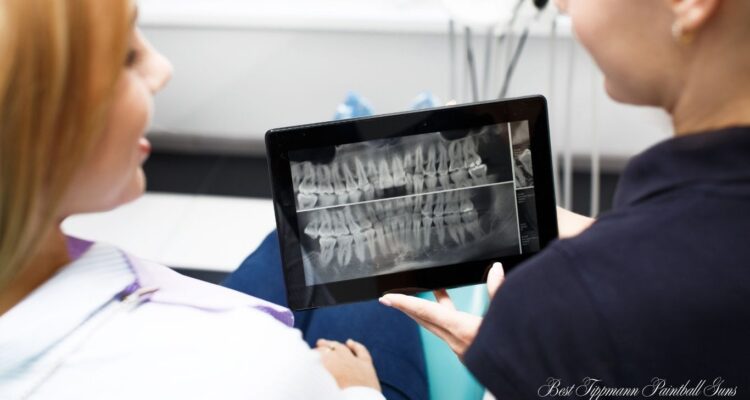
Dental X-rays provide crucial information about the success of a root canal treatment that isn’t visible to the naked eye. On a radiograph, a successfully treated tooth will show complete filling of the root canal spaces with gutta-percha, extending to the tip of the root but not beyond. There should be no visible spaces where bacteria could potentially grow. Over time, the bone around the root tip should appear healthy and show signs of healing if there was pre-existing infection. Your dentist will typically take follow-up X-rays at six months and one year post-treatment to confirm that the healing process is progressing normally.

Functional Assessment of the Treated Tooth

Beyond appearance, the functional success of a root canal-treated tooth is paramount. A successfully treated tooth should function just like your natural teeth for chewing and biting. You should be able to eat normally without pain or sensitivity to temperature. The tooth should not feel “different” from your other teeth during normal use. While the absence of nerve tissue means you won’t feel temperature changes in that specific tooth, the surrounding periodontal ligament provides sufficient sensory feedback for normal function. If your restored tooth feels high when you bite down or causes discomfort during normal chewing, your dentist may need to adjust the bite or evaluate the restoration.

Potential Complications and Their Visual Indicators

While root canal treatments have a high success rate, complications can occasionally occur. Being able to recognize the visual indicators of potential problems can help you seek timely intervention and preserve your tooth. These complications range from minor aesthetic issues to more serious conditions that could jeopardize the tooth if left untreated. Understanding what to watch for empowers patients to take an active role in their post-treatment care.

The most common complications following root canal treatment include reinfection, fracture of the tooth, discoloration, and problems with the restoration. Each of these issues presents with distinct visual and symptomatic clues that, when recognized early, can often be addressed before they become more serious. Regular dental check-ups are essential for identifying problems that might not be visible or symptomatic in their early stages, but knowing what to look for between visits can make a significant difference in the long-term outcome of your treatment.

Discoloration Issues and Solutions

Tooth discoloration after root canal treatment can occur for several reasons. The most common cause is the breakdown of blood products that were present in the tooth before treatment, which can stain the dentin from the inside. Additionally, some root canal filling materials used in the past contained components that could cause darkening over time. Modern techniques have largely eliminated this issue, but if you notice your tooth becoming significantly darker, several solutions are available. These include internal bleaching (where a whitening agent is placed inside the tooth), veneers, or replacement of the restoration with a crown that better matches your natural tooth color.

Cracks and Fractures: Identifying At-Risk Teeth

Root canal-treated teeth are more susceptible to cracks and fractures due to their increased brittleness. Visual indicators of a cracked tooth include:

  • Sudden pain when chewing or biting
  • Sensitivity to temperature changes
  • Pain that comes and goes
  • Visible lines on the tooth surface
  • Swelling of the gum around the affected tooth

While not all cracks are visible to the naked eye, if you notice any of these symptoms, especially if they develop months or years after your root canal, consult your dentist promptly. Early intervention can sometimes save the tooth, but untreated cracks can lead to vertical root fractures that often result in tooth loss.

Reinfection Signs to Watch For

Reinfection of a root canal-treated tooth, though uncommon, can occur and presents specific visual and symptomatic signs. Watch for:

  • The appearance of a pimple or bump on the gums near the treated tooth
  • Swelling that returns after initial healing
  • Darkening of the tooth beyond normal aging
  • Tenderness when touching the gum around the tooth
  • A bad taste or odor coming from the tooth

These symptoms indicate that bacteria may have re-entered the tooth, possibly through an undetected crack, decay under the restoration, or incomplete initial cleaning of the root canals. If you observe any of these signs, schedule an appointment with your dentist as soon as possible, as reinfection requires prompt treatment to prevent abscess formation and potential tooth loss.

Failed Root Canal: Visual and Symptomatic Clues

A failed root canal presents with both visual and symptomatic clues that should not be ignored. The most obvious symptom is the return of pain in the treated tooth, especially if it’s similar to the pain you experienced before the procedure. Visually, you might notice swelling or redness in the gums around the tooth, or the development of a gum boil (a small pimple-like bump that may release pus). On X-rays, your dentist would look for dark areas around the root tip, indicating bone loss due to persistent infection. Other signs include increased mobility of the tooth, sensitivity to pressure, or the development of a sinus tract (a small channel from the infection to the gum surface). If you experience any of these symptoms, your dentist may recommend root canal retreatment or other interventions to address the problem.

When to Seek Professional Evaluation

Knowing when to seek professional evaluation for your root canal-treated tooth can make the difference between saving and losing the tooth. Schedule an immediate dental appointment if you experience:

  • Severe pain that doesn’t respond to over-the-counter pain medication
  • Significant swelling in your face, jaw, or gums
  • Difficulty breathing or swallowing (this requires emergency care)
  • A fever along with tooth pain
  • A loose tooth that wasn’t loose before
  • Visible cracks or fractures in the tooth

Schedule a routine evaluation if you notice milder symptoms like occasional pain when chewing, sensitivity to temperature, or changes in the appearance of your gums around the treated tooth. Remember that early intervention is always preferable when dealing with potential complications of root canal treatment.

Long-Term Care and Maintenance of Root Canal Treated Teeth

The longevity of a root canal-treated tooth depends significantly on how well it’s cared for after the procedure. While the root canal itself removes the infected pulp and eliminates the source of infection, the tooth still requires diligent maintenance to remain functional and aesthetically pleasing. Proper care not only preserves the treated tooth but also protects your investment in the procedure, as root canals followed by appropriate restoration represent a significant commitment of time and resources.

Many patients mistakenly believe that once a tooth has had a root canal, it no longer requires the same level of care as natural teeth. This couldn’t be further from the truth. In fact, root canal-treated teeth often need more attentive care because they’re more brittle and lack the natural defense mechanisms of vital teeth. The good news is that with proper maintenance, including good oral hygiene, regular dental visits, and appropriate protective measures, root canal-treated teeth can last a lifetime, functioning just like your natural teeth.

Daily Oral Hygiene Practices

Maintaining excellent oral hygiene is crucial for the long-term success of your root canal-treated tooth. Brush your teeth at least twice daily using a soft-bristled toothbrush and fluoride toothpaste, paying special attention to the gumline around your treated tooth. Flossing at least once a day is equally important, as it removes plaque and debris from between your teeth and below the gumline where your toothbrush can’t reach. Consider using an antiseptic mouthwash to reduce bacteria in your mouth and help prevent gum disease. If your root canal-treated tooth has a crown, be sure to clean carefully around the margins where the crown meets your natural tooth, as this area is particularly susceptible to decay.

Regular Dental Check-ups and Their Importance

Regular dental check-ups are essential for monitoring the health of your root canal-treated tooth. Visit your dentist every six months for professional cleanings and examinations. During these visits, your dentist will:

  • Check the integrity of your restoration (filling or crown)
  • Look for signs of decay around or under the restoration
  • Assess the health of the surrounding gum tissue
  • Take periodic X-rays to evaluate the bone around the root tip
  • Check for any signs of fracture or other complications

These routine visits allow your dentist to identify and address potential problems before they become serious, significantly increasing the likelihood that your root canal-treated tooth will last a lifetime.

Dietary Considerations for Treated Teeth

What you eat can impact the longevity of your root canal-treated tooth. While there are no specific dietary restrictions after root canal treatment, some considerations can help protect your restored tooth:

  • Avoid extremely hard foods that could fracture the tooth, especially if it doesn’t have a crown
  • Limit sugary and acidic foods and beverages that can promote decay around the restoration
  • Be cautious with very sticky foods that could potentially dislodge a filling or temporary crown
  • If you have a temporary crown, avoid chewing on that side of your mouth until the permanent restoration is placed
  • Consider cutting hard foods like apples, carrots, and nuts into smaller pieces rather than biting directly into them

These simple dietary precautions can help protect your investment in root canal treatment and ensure the long-term health of your tooth.

Protective Measures: Night Guards and Sports Guards

Protective measures can significantly extend the life of your root canal-treated tooth. If you grind or clench your teeth (a condition known as bruxism), wearing a custom-fitted night guard can prevent excessive wear and potential fracture of your treated tooth. Similarly, if you participate in contact sports or activities with a risk of facial injury, wearing a sports guard is essential to protect all your teeth, including the root canal-treated one. These protective devices are relatively inexpensive compared to the cost of repairing or replacing a damaged tooth, making them a wise investment in your oral health.

The Lifespan of Root Canal Treated Teeth

The lifespan of a root canal-treated tooth varies depending on several factors, including the initial condition of the tooth, the quality of the root canal procedure, the type of restoration placed, and how well the tooth is maintained afterward. Statistics show that root canal-treated teeth have a high success rate, with approximately 85-95% lasting ten years or more when properly restored and cared for. Many last a lifetime with appropriate maintenance. Factors that can reduce the lifespan include poor oral hygiene, failure to place a crown when recommended, undetected cracks or fractures, and recurrent decay. By following your dentist’s recommendations for care and maintenance, you can maximize the likelihood that your root canal-treated tooth will serve you well for many years to come.

Advancements in Root Canal Treatment and Aesthetic Outcomes

The field of endodontics has evolved dramatically over the past few decades, with significant advancements in techniques, materials, and technology that have improved both the success rates and aesthetic outcomes of root canal treatments. These innovations have transformed root canal therapy from a procedure focused solely on eliminating infection to one that also prioritizes preserving the natural appearance of the tooth. Understanding these advancements can help patients appreciate the modern approach to root canal treatment and the improved results it offers.

Today’s root canal procedures bear little resemblance to those performed just a generation ago. Enhanced imaging technologies allow for more precise diagnosis and treatment planning, while improved instruments and techniques enable more thorough cleaning of the root canal system. Newer filling materials and restoration options have virtually eliminated the aesthetic concerns that once plagued root canal-treated teeth. These advancements mean that patients can now save their natural teeth without compromising their smile’s appearance, a win-win situation that wasn’t always possible in the past.

Modern Techniques for Better Aesthetic Results

Modern root canal techniques prioritize both function and aesthetics. One significant advancement is the use of operating microscopes, which allow endodontists to see inside the tooth’s canals at magnifications of up to 25 times. This enhanced visibility enables more thorough cleaning and shaping of the canals while preserving more of the natural tooth structure. Minimally invasive access techniques reduce the size of the opening needed to perform the procedure, helping to maintain the tooth’s structural integrity. Additionally, modern irrigation systems more effectively remove debris and bacteria from the canal system, reducing the risk of reinfection and subsequent discoloration. These techniques combine to produce better functional and aesthetic outcomes than traditional methods.

Materials That Improve Tooth Appearance Post-Treatment

The materials used in modern root canal treatments have been specifically developed to improve aesthetic outcomes. Traditional root canal filling materials sometimes contained components that could cause tooth discoloration over time. Today’s gutta-percha points and sealers are biocompatible and designed to minimize staining. For the access cavity, tooth-colored composite resins can be used instead of metal amalgam, creating a virtually invisible repair. When crowns are needed, all-ceramic options like zirconia and lithium disilicate provide excellent strength while mimicking the light-reflecting properties of natural teeth. These advanced materials ensure that root canal-treated teeth can blend seamlessly with your natural smile, eliminating the aesthetic concerns that once accompanied endodontic treatment.

Minimally Invasive Approaches to Root Canal Therapy

Minimally invasive approaches to root canal therapy focus on preserving as much of the natural tooth structure as possible, which directly benefits the aesthetic outcome. Traditional techniques often required significant removal of tooth structure to access and clean the canals. Modern approaches use smaller, more flexible instruments that can navigate curved canals with less removal of dentin. Ultrasonic tips allow for precise removal of calcifications and old filling materials with minimal impact on surrounding tooth structure. These conservative approaches maintain more of the tooth’s natural strength and reduce the risk of fracture, while also preserving the natural appearance by minimizing the need for extensive restorative materials.

Future Trends in Endodontic Treatments

The future of endodontic treatments promises even better aesthetic outcomes through emerging technologies and techniques. Regenerative endodontics, an exciting field of research, aims to regenerate the pulp-like tissue inside the tooth, potentially restoring some vitality and reducing the brittleness associated with traditional root canals. Three-dimensional imaging and guided surgery techniques may allow for even more precise and conservative treatments. Advanced biomaterials are being developed that can promote healing and regeneration of the surrounding tissues. Artificial intelligence is beginning to play a role in diagnosis and treatment planning, potentially improving success rates and outcomes. While many of these innovations are still in development or early adoption, they represent the future of root canal therapy—a future where saving a natural tooth doesn’t mean compromising its appearance.

Frequently Asked Questions

Q: Will my tooth look different after a root canal?

A: In most cases, your tooth will look very similar to how it did before the root canal, especially once it’s been properly restored. The external appearance typically doesn’t change significantly, though some teeth may develop slight discoloration over many years. With modern techniques and materials, this is becoming less common, and any aesthetic concerns can usually be addressed with appropriate restorative options.

Q: Why do some teeth turn dark after root canal treatment?

A: Tooth discoloration after root canal treatment can occur for several reasons. Historically, some root canal filling materials contained components that could stain the tooth from the inside. Additionally, the breakdown of blood products that were present in the tooth before treatment can cause internal staining. However, modern techniques and materials have largely eliminated these issues, and if discoloration does occur, it can often be corrected with internal bleaching, veneers, or crowns.

Q: How long will a root canal-treated tooth last?

A: With proper care and restoration, root canal-treated teeth can last a lifetime. Studies show success rates of 85-95% at ten years post-treatment. The longevity depends on factors including the initial condition of the tooth, the quality of the root canal procedure, the type of restoration placed, and how well the tooth is maintained through good oral hygiene and regular dental check-ups.

Q: Is a crown always necessary after a root canal?

A: While not absolutely mandatory in all cases, crowns are highly recommended for most root canal-treated teeth, especially posterior teeth that endure significant chewing forces. After root canal treatment, teeth become more brittle and prone to fracture. A crown provides essential protection by covering and strengthening the entire tooth structure. For anterior teeth, depending on the amount of remaining healthy tooth structure, more conservative restorations like porcelain veneers might be considered in some cases.

Conclusion

Understanding what a tooth looks like after root canal treatment is essential for anyone undergoing or considering this common dental procedure. As we’ve explored throughout this comprehensive guide, modern root canal therapy has evolved to prioritize both function and aesthetics, allowing patients to save their natural teeth while maintaining a beautiful smile. The external appearance of a properly treated and restored tooth should be virtually indistinguishable from your natural teeth, with no visible evidence of the internal treatment that has taken place.

The journey of a tooth through root canal treatment involves significant internal changes while preserving its external appearance. By removing infected or damaged pulp and replacing it with biocompatible materials, endodontists can eliminate pain and infection while maintaining the tooth’s structure. When followed by appropriate restoration—typically a crown for posterior teeth or a more conservative restoration for anterior teeth—the result is a functional, natural-looking tooth that can serve you well for many years to come.

It’s important to remember that the success of root canal treatment depends not only on the skill of your dental provider but also on your commitment to proper aftercare and maintenance. Regular dental check-ups, good oral hygiene practices, and protective measures when needed all contribute to the long-term success of your treatment. By being an active participant in your oral healthcare, you can ensure that your root canal-treated tooth remains both functional and aesthetically pleasing for years to come.

If you’ve been putting off needed root canal treatment due to concerns about appearance or misconceptions about the procedure, take comfort in knowing that modern endodontics offers excellent outcomes both in terms of function and aesthetics. Saving your natural tooth is always preferable to extraction when possible, and with today’s advanced techniques and materials, you don’t have to choose between oral health and a beautiful smile.

How Long Does It Take for Apple Cider Vinegar to Whiten Teeth?

Apple cider vinegar (ACV) has become a buzzword in the world of natural health and beauty. Many people are opting for ACV as a DIY teeth-whitening solution due to its affordability and natural properties. However, the question on everyone’s mind is, “How long does it take for apple cider vinegar to whiten teeth?” While it’s widely believed that ACV can whiten teeth, understanding the process, timeline, and proper usage is essential to get the best results without compromising your oral health.

In this article, we’ll delve into the science behind how ACV works for teeth whitening, its benefits, the typical timeline for seeing results, and the best practices to ensure you’re achieving your desired outcome without causing harm to your enamel. We’ll also provide valuable tips and answer some common FAQs surrounding the topic. So, let’s get started!

Understanding Apple Cider Vinegar for Teeth Whitening

Apple cider vinegar is derived from fermented apple juice, containing acetic acid, which is believed to have cleansing and whitening properties. ACV has long been used for various health benefits, ranging from weight loss to gut health, but its teeth-whitening abilities are what most people seek. The acetic acid in ACV works as a natural agent that can break down plaque and stains on the teeth, leaving them whiter and brighter.

Let’s explore how exactly apple cider vinegar works to whiten teeth, its advantages over other whitening methods, and why so many people are turning to this natural solution.

How Apple Cider Vinegar Works to Whiten Teeth

Acidic Nature of ACV

Apple cider vinegar’s key component, acetic acid, helps remove surface stains that develop due to food, beverages like coffee or tea, or even smoking. The mild acidic properties of ACV can dissolve the molecules responsible for discoloration, revealing a cleaner, brighter appearance.

Plaque Removal

Plaque buildup can cause yellowish stains and make your teeth look dull. ACV’s natural acidity helps break down this plaque, improving the appearance of your teeth over time. When used regularly, it can help maintain a cleaner, smoother surface on your teeth.

Mild Natural Bleaching Agent

Unlike chemical-based products that contain bleach or hydrogen peroxide, apple cider vinegar is a more natural alternative. It works gradually and without the harsh chemicals, making it an attractive option for those seeking a more natural whitening method.

How Long Does It Take for Apple Cider Vinegar to Whiten Teeth?

Whitening your teeth with apple cider vinegar requires patience. While the results might not be immediate, consistent and proper use of ACV can yield visible results. The timeline for whitening can vary depending on factors like the severity of stains, frequency of use, and the overall condition of your teeth.

Timeline for Whiter Teeth with Apple Cider Vinegar

Initial Results (1-2 Weeks)

After starting the ACV treatment, you may begin noticing some minor improvements within the first couple of weeks. For those with light stains, the whitening effect can be noticeable relatively quickly. Your teeth may start looking brighter and cleaner, though the difference might be subtle.

Visible Whitening (3-4 Weeks)

By the third to fourth week, most people will see more substantial whitening. If your teeth were heavily stained or discolored, it may take this long for the ACV to penetrate through the stains and lighten the color of your teeth. The improvement at this stage will be quite noticeable, especially if you’re consistent with your regimen.

Full Results (1 Month or More)

For the best and most long-lasting results, it may take about one month of regular ACV use. While the timeline may vary depending on individual factors, consistent use over a month should leave your teeth several shades lighter. Full results may continue to improve with prolonged use.

Factors That Affect the Timeline for Whiter Teeth

Type of Stains

The type of stains on your teeth (surface stains vs. deeper discoloration) plays a significant role in how long it will take to see results. Surface stains caused by food and beverages are more easily removed by ACV than deeper stains that have seeped into the enamel.

Consistency of Use

The more frequently you use ACV, the quicker you may see results. However, it’s important to use it responsibly to avoid damage. Most users see improvement after using it 2-3 times per week.

Current Tooth Condition

If your teeth are already relatively white, it may take less time to see results compared to someone with severe staining or plaque buildup. Healthy teeth will respond more quickly to the vinegar treatment.

Best Practices for Using Apple Cider Vinegar on Your Teeth

To ensure that you’re using apple cider vinegar effectively and safely, it’s important to follow some best practices. Although ACV is a natural alternative to commercial teeth-whitening products, its acidity can harm your enamel if used incorrectly.

Proper Usage Guidelines for ACV Teeth Whitening

Always Dilute ACV with Water

The acidity of undiluted apple cider vinegar can wear away your tooth enamel, leading to sensitivity and decay. Always dilute ACV with water (a 1:2 ratio of ACV to water is ideal) before using it as a mouthwash.

Limit Usage to 2-3 Times a Week

Using ACV too frequently can lead to enamel erosion. Limit your use to 2-3 times per week to prevent excessive acid exposure.

Rinse with Water Afterward

After using ACV, rinse your mouth thoroughly with water to neutralize the acid. This step is crucial for protecting your enamel from damage.

Brush Your Teeth After 30 Minutes

If you’re concerned about the acidic nature of ACV, wait at least 30 minutes after using it before brushing your teeth. This ensures that your enamel is not further eroded.

Potential Risks and Side Effects of Using Apple Cider Vinegar for Teeth Whitening

While apple cider vinegar is a powerful natural agent, it does come with some risks when used improperly. Understanding these potential risks is key to using ACV safely.

Risks and Side Effects of ACV Use

  • Tooth Enamel Erosion
    The high acidity of ACV can erode tooth enamel over time if used too frequently or undiluted. This can lead to increased tooth sensitivity and make your teeth more prone to cavities.

  • Gum Irritation
    ACV can cause irritation to your gums, especially if it’s too concentrated. Always dilute the vinegar and avoid direct contact with your gums to minimize discomfort.

  • Staining from Overuse
    While ACV is a whitening agent, overusing it can damage your enamel, leading to yellowish spots. Always monitor the frequency of use and take breaks to avoid overexposure to acid.

Alternative Teeth Whitening Methods vs. ACV

While apple cider vinegar is an effective option for teeth whitening, other methods exist. Understanding how ACV compares to these methods can help you choose the best solution for your needs.

Apple Cider Vinegar vs. Professional Teeth Whitening

Cost-Effective

Apple cider vinegar is a far more affordable option compared to professional teeth-whitening treatments. While professional whitening treatments can cost hundreds of dollars, ACV is relatively inexpensive.

Chemical-Free Option

Unlike professional whitening products that may contain chemicals like hydrogen peroxide, ACV is a natural and chemical-free alternative for those seeking a more holistic approach.

Longer Timeline for Results

ACV works more gradually than professional treatments, so expect a longer wait for noticeable results. However, the long-term benefits of ACV’s natural properties may outweigh the quick fixes of other methods.

FAQs

How long does it take for apple cider vinegar to whiten teeth?
Results typically start appearing within 1-2 weeks, with more noticeable improvements by 3-4 weeks.

Can apple cider vinegar damage your teeth?
Yes, if used excessively or undiluted, the acidity in ACV can erode enamel and cause sensitivity.

How often should I use apple cider vinegar for teeth whitening?
Use ACV no more than 2-3 times per week to prevent enamel erosion and tooth sensitivity.

Is apple cider vinegar better than professional teeth whitening?
ACV is a natural, more affordable alternative, but professional whitening works faster and may provide more immediate results.

Can I use apple cider vinegar on my teeth every day?
It’s not recommended to use ACV daily as it can cause enamel damage. Stick to a couple of times per week for the best results.

Conclusion

Apple cider vinegar is a natural, affordable, and effective option for whitening teeth, but it requires time and consistency. On average, it takes about 1-4 weeks to see visible results, depending on factors like stain severity and frequency of use. It’s crucial to follow best practices—such as diluting ACV and limiting use—to ensure you’re protecting your enamel while achieving your desired results.

While ACV is not a fast fix like professional treatments, it offers a safe and cost-effective alternative for those looking to whiten their teeth at home. However, moderation is key, and it’s always advisable to consult a dental professional if you’re unsure about the impact on your oral health.

7210 Dental Code Explained: What You Need to Know

The dental code system, particularly the 7210 dental code, plays a critical role in ensuring proper billing and documentation in the dental industry. This code is used to specify procedures related to the restoration of teeth, particularly when dealing with crown restorations. Understanding this code can help both dental professionals and patients navigate the insurance and billing processes more effectively. In this article, we will dive deep into the 7210 dental code, covering what it is, when it’s used, how it relates to other dental procedures, and answering common questions.

What is the 7210 Dental Code?

The 7210 dental code is used for a specific dental procedure known as the Crown – Porcelain/Resin on a tooth. It is often associated with restoring the natural function and appearance of a tooth that has been severely damaged or decayed. This code is part of the Current Dental Terminology (CDT) code system, which helps standardize dental billing practices across the United States.

Why is it important?
For dental professionals, it’s crucial to understand how to use the 7210 dental code to ensure proper claims are submitted to insurance companies. On the patient’s side, understanding this code can help them know exactly what kind of dental treatment they are receiving, along with the associated costs.

This code essentially helps with tooth restoration after significant damage. It applies when a dental crown is used to restore a tooth, covering the tooth completely to protect it and restore function.

How Does the 7210 Dental Code Affect Billing?

Understanding the impact on dental insurance claims:

When a dentist uses the 7210 dental code, it has a direct impact on the insurance claim process. Insurance providers often require specific codes to authorize coverage for dental procedures, including crowns. Knowing how and when to apply the code ensures that the insurance claim process goes smoothly and the patient is charged correctly.

Common misconceptions:

A common misunderstanding is that insurance will cover all costs related to the procedure, but insurance companies often have restrictions. For instance, some plans may cover only a portion of the cost of a porcelain crown or may have exclusions for certain materials.

How the 7210 Dental Code Relates to Other Common Codes

The 7210 dental code is often used in conjunction with other dental codes, and it’s important to understand how it compares with others in the same family. For example:

  • 7140 – Exam and Diagnostic Services: This code refers to general exams and diagnostic services. It’s frequently used before applying a restoration like the 7210.

  • 7220 – Crown, Porcelain/Ceramic: While the 7210 covers porcelain crowns, 7220 is for ceramic crowns. It’s essential for dental professionals to differentiate between these codes to avoid confusion and ensure accurate billing.

These codes often work together to ensure that all aspects of the restorative process are properly documented and billed.

Pre-Treatment Steps

The procedure begins with an oral exam, where the dentist assesses the damage to the tooth and determines if a crown is necessary. The dentist also takes X-rays to evaluate the tooth’s health below the surface. If necessary, the tooth is numbed with local anesthesia before starting the restoration process.

During Treatment

  • Preparation: The tooth is cleaned and shaped to fit the crown. A portion of the tooth is filed down, and an impression is taken to create the custom crown.

  • Fitting the Crown: After the crown is made (which may take a couple of weeks), it is fitted onto the prepared tooth. The dentist ensures that it fits correctly, making adjustments if needed.

Post-Treatment Care

After the crown is placed, patients are given instructions for aftercare, which typically includes avoiding hard foods for a few days. Regular check-ups may be scheduled to ensure the crown is secure and the surrounding tooth is healthy.

Frequently Asked Questions 

Q1: What materials are used in a procedure involving the 7210 dental code?

The materials typically used in 7210 procedures are porcelain or resin, both of which are durable and mimic the appearance of natural teeth.

Q2: Is the 7210 dental code the same as the 7220 dental code?

No, 7210 refers to porcelain or resin crowns, while 7220 is for ceramic crowns. Both serve similar purposes, but the materials are different.

Q3: How long does a crown last after a 7210 procedure?

Crowns placed under the 7210 code can last between 5 to 15 years, depending on the materials used and oral hygiene habits.

Q4: Can dental insurance cover the cost of a crown under the 7210 code?

Yes, most insurance companies will cover the procedure, but patients should always check with their insurance provider for specific coverage details.

Q5: Can I get a 7210 procedure if I have a decayed tooth?

Yes, the 7210 dental code is typically used to restore severely decayed or damaged teeth.

Conclusion

The 7210 dental code is essential for both dental professionals and patients, ensuring clear communication and accurate billing for crown procedures. By understanding the details surrounding this code, you can navigate the treatment and billing process with ease. Whether you are a dental professional or a patient, knowing the ins and outs of this code can help you make informed decisions about restorative dental care.

Can You Use Temparin Max on a Broken Tooth?

A broken tooth is a common dental emergency that can cause a great deal of discomfort. Whether it’s a minor chip or a larger break, dealing with a broken tooth can leave you feeling uncertain about how to proceed. In such situations, many people turn to Temparin Max, an over-the-counter dental repair product. But is it safe to use Temparin Max on a broken tooth? Can it provide the relief you need before you can see a dentist? In this article, we’ll answer these questions and explain how this product works, its advantages, limitations, and when it should or shouldn’t be used on a broken tooth.

What is Temparin Max?

Before we dive into whether you can use Temparin Max on a broken tooth, it’s essential to understand what the product is and how it works. Temparin Max is a temporary dental repair kit designed to provide immediate relief in the case of a broken tooth or lost filling. It is often used in dental emergencies when a tooth has broken, cracked, or has a cavity, allowing people to seal the damaged area temporarily.

Key Features of Temparin Max:

  • Temporary Fix: Temparin Max is a short-term solution to cover a broken tooth.

  • Easy to Use: It comes with a simple applicator and instructions for home use.

  • Pain Relief: It helps to reduce sensitivity and protect the tooth’s nerve.

  • No Dentist Visit Required: It’s an excellent option when you cannot immediately see a dentist.

Can You Use Temparin Max on a Broken Tooth?

Yes, Temparin Max can be used as an emergency solution to seal a broken tooth temporarily. This product is specifically designed to address situations where a tooth has broken, and you need relief from pain or sensitivity until you can visit a dentist.

While Temparin Max offers several benefits, it is important to note that it is only a short-term fix. The product can help relieve discomfort, protect the tooth from further damage, and prevent infection, but it does not provide a permanent solution. Here’s how the product works when applied to a broken tooth:

Step-by-Step Guide for Using Temparin Max on a Broken Tooth:

  1. Clean the Tooth Area:
    Start by cleaning the broken tooth and the surrounding area. Use warm water to rinse the mouth and gently remove any food particles or debris from the broken tooth.

  2. Dry the Tooth:
    Pat the tooth dry with a clean cloth or tissue. The surface of the tooth needs to be dry for the Temparin Max material to adhere properly.

  3. Prepare the Product:
    Open the Temparin Max package, which usually contains a tube of temporary filling material and a small applicator. Squeeze out a small amount of the material onto the applicator.

  4. Apply the Material:
    Carefully place the material over the broken area of the tooth. Press it firmly into place to ensure the tooth is sealed. You may need to mold it gently to match the shape of the tooth.

  5. Allow It to Set:
    After applying the material, let it set for about 10-15 minutes to harden. Avoid eating or drinking until the material has fully set.

When Should You Use Temparin Max on a Broken Tooth?

Temparin Max is best used in the following situations:

  • Minor Fractures or Chips: If you have a small crack or chip in your tooth, Temparin Max can temporarily seal the break and relieve pain until you see a dentist.

  • Lost Filling: If a filling has fallen out, Temparin Max can be used to temporarily cover the cavity and prevent further damage to the tooth.

  • Discomfort and Sensitivity: If the break exposes the nerve or sensitive part of the tooth, Temparin Max can help protect the tooth and reduce discomfort.

  • When Immediate Dental Care Isn’t Available: If you cannot see a dentist immediately, Temparin Max can offer temporary protection and relief while you wait for an appointment.

Benefits of Using Temparin Max for a Broken Tooth

1. Immediate Pain Relief

One of the biggest advantages of using Temparin Max is that it can provide quick pain relief for a broken tooth. When a tooth breaks, the exposed nerve or sensitive areas can cause intense discomfort. By sealing the broken area, Temparin Max prevents food particles, bacteria, and air from coming into contact with the exposed parts of the tooth, reducing sensitivity.

2. Protection from Further Damage

A broken tooth can be prone to further injury if not properly protected. Temparin Max acts as a barrier, preventing additional chips or cracks. It can also protect the tooth from infection by sealing it off from the outside environment.

3. Easy and Convenient to Use

Unlike a visit to the dentist, which may require an appointment and a procedure, Temparin Max is a quick and straightforward solution that can be used at home. Its simple application process makes it accessible to most people, and it doesn’t require specialized knowledge or tools.

4. Affordable

In comparison to emergency dental visits, Temparin Max is a much more affordable option. It provides a temporary solution that can last for several days or weeks until you can schedule an appointment with your dentist.

Drawbacks and Limitations of Temparin Max

Although Temparin Max can be a helpful product in emergencies, it has several limitations:

1. Not a Permanent Solution

As mentioned earlier, Temparin Max is only a temporary fix. It is not designed to replace professional dental care. If you use it for a prolonged period, you could risk further damage to the tooth or underlying structures.

2. Can Fall Out or Loosen

The material used in Temparin Max can loosen or fall out, especially when chewing hard or sticky foods. If this happens, you may need to reapply the product or seek professional care.

3. Risk of Further Damage

If the product isn’t applied correctly, or if you apply too much, it could cause discomfort or even further damage to the tooth. It’s important to follow the instructions carefully.

4. Temporary Discomfort

Some people experience mild discomfort or irritation after applying Temparin Max to their broken tooth. This is usually temporary but can be an issue if the material doesn’t fully fit or adhere to the tooth.

When Should You NOT Use Temparin Max on a Broken Tooth?

There are certain situations where you should avoid using Temparin Max and seek professional dental care immediately:

  • Severe Tooth Damage: If your tooth has suffered significant damage, such as a deep crack or break, Temparin Max will not be effective in providing proper protection.

  • Infection or Swelling: If the area around your broken tooth is swollen or showing signs of infection, it’s crucial to see a dentist rather than using a temporary repair.

  • Extreme Pain: If you experience intense pain that doesn’t subside with over-the-counter painkillers, this could indicate a serious issue, such as nerve damage or infection.

Frequently Asked Questions (FAQs)

Can Temparin Max be used for a large crack in a tooth?
No, Temparin Max is designed for minor fractures and chips. For large cracks, it’s better to see a dentist.

How long does Temparin Max last?
The material can last for a few days to a week, but it’s best to get professional treatment as soon as possible.

Is it safe to use Temparin Max if I have a sensitive tooth?
Yes, Temparin Max can help reduce sensitivity by covering exposed nerves temporarily.

Can I eat after applying Temparin Max?
Wait at least 10-15 minutes after application for the material to set before eating or drinking.

Is Temparin Max safe for children?
While Temparin Max is generally safe for adults, consult with a pediatric dentist before using it for children.

Conclusion

Temparin Max is a highly useful product for temporary relief when dealing with a broken tooth. It provides immediate protection, alleviates discomfort, and buys you time until you can see a dentist. However, it is important to remember that it’s only a temporary fix and should not be relied on as a long-term solution. If you experience significant pain, discomfort, or if your tooth is severely damaged, it’s essential to visit a dentist as soon as possible.

In summary, Temparin Max is a safe and effective product for minor dental emergencies, but it’s crucial to follow the instructions carefully and to see your dentist for a permanent solution.

Can I Eat Ice Cream After a Root Canal? The Ultimate Guide to Post-Treatment Care

Undergoing a root canal is often necessary to save a tooth that’s deeply infected or damaged. While the procedure itself is relatively straightforward and effective, many people are left wondering about the best way to take care of their teeth afterward. One common question that comes up is, Can I eat ice cream after a root canal? It’s completely normal to want to indulge in a comforting bowl of ice cream, especially after the stress of the procedure, but is it safe? Root canals leave the treated tooth and surrounding tissues sensitive, and eating the wrong foods too soon can delay healing or cause unnecessary discomfort. In this article, we’ll discuss everything you need to know about eating ice cream after a root canal, the best foods to eat post-procedure, and other important tips for a successful recovery.

Can I Eat Ice Cream After a Root Canal? The Basics

Root canal treatment involves cleaning out the infected pulp of a tooth, which is followed by sealing it to prevent further infection. This process can leave the tooth and surrounding tissues sensitive, particularly in the hours and days following the procedure. That’s why it’s important to be careful about what you eat immediately after a root canal.

Why Cold Foods May Cause Discomfort

After a root canal, your tooth may remain sensitive for a while. Since ice cream is cold and can numb your mouth temporarily, you might think it will feel soothing. However, cold foods like ice cream can cause sensitivity in the treated area, especially if you eat them too soon after the procedure. The sensitivity is due to the temporary inflammation in the nerves of the treated tooth, which might become irritated by extreme temperatures.

When Is It Safe to Eat Ice Cream?

Although cold foods may be off-limits immediately after a root canal, once the swelling and inflammation begin to subside, you can slowly start incorporating ice cream back into your diet. Typically, waiting at least 24 to 48 hours before consuming cold foods, including ice cream, will help avoid unnecessary discomfort. If the sensitivity persists, it may be best to wait a little longer.

How to Consume Ice Cream Safely

When you’re finally able to enjoy ice cream after your root canal, it’s crucial to do so in moderation and with care. Eating ice cream too quickly, especially if it’s too cold or hard, can lead to pain or discomfort. Soft, creamy varieties without chunks or hard ingredients are the best option. Additionally, you should avoid eating ice cream on the treated side of your mouth for the first few days.

Foods to Eat After a Root Canal: What’s Safe?

While ice cream may be a beloved treat, it’s important to focus on the foods that promote healing and comfort during your recovery. After a root canal, your priority should be consuming foods that are gentle on your teeth, easy to chew, and won’t exacerbate any pain or discomfort.

Soft Foods for Immediate Recovery

After a root canal, your gums and teeth are still in the process of healing. It’s essential to eat foods that won’t cause unnecessary pressure or irritation. Some excellent soft food options include:

  • Mashed potatoes: Soft and easy to swallow, mashed potatoes are a great option that won’t irritate the treated area.

  • Soups and broths: Avoid very hot soups, but lukewarm broths or soups are soothing and easy on your teeth.

  • Yogurt: Smooth, creamy, and cold, yogurt is a comfortable choice, though you should avoid any that have chunks or seeds.

  • Scrambled eggs: Soft, cooked eggs are easy to eat and provide a good source of protein.

  • Smoothies: Blended fruit smoothies with yogurt or protein powder are a great way to get nutrients without chewing.

Foods to Avoid for the First Few Days

During the first few days after a root canal, there are certain foods you should avoid in order to protect the treated area and reduce the risk of complications:

  • Crunchy foods: Foods like nuts, chips, and raw vegetables are too hard and can put pressure on the treated tooth.

  • Sticky foods: Avoid chewing gum, caramel, and sticky candies, as they can adhere to the treated area and create discomfort.

  • Very hot or cold foods: Extreme temperatures should be avoided, especially in the first few days, to prevent aggravating tooth sensitivity.

When is It Safe to Eat Ice Cream After a Root Canal?

It’s essential to follow a proper timeline for eating ice cream after a root canal, as this will help reduce the risk of further discomfort or complications. Here’s a breakdown of when you can safely enjoy ice cream post-procedure:

Immediate Post-Treatment (0-48 Hours)

For the first 24 to 48 hours after your root canal, you should avoid eating ice cream or any cold foods. During this time, your gums are likely swollen, and the area around the treated tooth will be sensitive. Cold food could exacerbate this sensitivity and cause you to feel pain or discomfort. Stick to soft, room temperature foods during this phase.

After the First Few Days (48-72 Hours)

Once 48 hours have passed, you can cautiously reintroduce ice cream into your diet, but only in moderation. Make sure to choose a softer variety of ice cream that doesn’t contain chunks, hard candy, or nuts. Additionally, it’s a good idea to eat the ice cream slowly and in small bites to avoid any discomfort.

One Week After the Procedure

By the end of the first week, you may find that the sensitivity has significantly decreased. At this point, you should be able to enjoy ice cream with fewer concerns. If you feel any pain or discomfort, it’s advisable to wait a bit longer before indulging in cold treats.

Tips for Eating Ice Cream Safely After a Root Canal

If you’re itching to enjoy a bowl of ice cream after your root canal, follow these tips to ensure that you can indulge without causing any discomfort:

  1. Eat Slowly and Carefully: Eating ice cream slowly will allow you to gauge how your treated tooth reacts to the cold. Don’t take large bites or swallow too quickly.

  2. Choose Softer Varieties: Choose ice cream that is smooth and soft. Avoid varieties with chunks of chocolate, nuts, or caramel, as these can be hard and may cause discomfort when chewing.

  3. Avoid Overindulgence: Although ice cream may feel good, consuming it in moderation is key. Too much cold food can heighten sensitivity, so it’s important not to overeat.

  4. Check the Temperature: Make sure your ice cream isn’t too cold, as extreme temperatures can aggravate the sensitivity. Let the ice cream sit for a few minutes before eating to slightly warm it up if necessary.

Additional Care Tips After a Root Canal Procedure

To promote faster recovery and ensure the best possible outcome after your root canal, here are some tips you should follow in addition to dietary recommendations:

Avoid Chewing on the Treated Side for a Few Days

After the root canal, avoid chewing on the side of the mouth where the treatment was performed. This will help prevent any added pressure on the tooth and allow the healing process to occur smoothly.

Maintain Oral Hygiene

It’s important to continue brushing and flossing your teeth, but you should be gentle around the treated area. Avoid brushing too vigorously and use a soft-bristled toothbrush to avoid causing irritation to the sensitive gums.

Use Salt Water Rinses

Rinsing your mouth with warm salt water can help reduce swelling and promote healing. Saltwater is a natural antiseptic that can reduce the risk of infection after the procedure.

Attend Follow-Up Appointments

After a root canal, you will typically need to return to your dentist for a follow-up appointment. This appointment will allow the dentist to assess the healing progress and address any concerns or issues you may have.

FAQs

1. Can I eat ice cream right after a root canal?
No, it’s best to wait at least 24 to 48 hours before consuming ice cream after a root canal to avoid aggravating any sensitivity.

2. How long will I feel sensitivity after a root canal?
Most sensitivity will subside within a few days, but it’s normal to feel mild discomfort for up to a week.

3. Can I eat crunchy foods after a root canal?
It’s advisable to avoid crunchy foods for at least a few days after the procedure to avoid putting pressure on the treated tooth.

4. What should I do if my treated tooth is still sensitive after a week?
If sensitivity persists beyond a week, contact your dentist to ensure there are no complications.

5. Is it okay to drink cold beverages after a root canal?
It’s best to avoid very cold beverages immediately after your root canal, as they can cause discomfort in the sensitive tooth.

Conclusion

While eating ice cream after a root canal is not immediately advisable, you can start enjoying it again once the initial recovery period has passed. Wait at least 24 to 48 hours before consuming ice cream, and make sure it’s soft and not too cold. Remember to follow your dentist’s instructions for post-treatment care and maintain a soft diet during the first few days after the procedure. By doing so, you’ll ensure the best possible outcome for your healing process and avoid unnecessary discomfort.

D4273 Dental Code: What It Is, How It Works, and Why

When it comes to dental procedures, understanding the codes used by professionals can be a bit overwhelming. One such code you may encounter is the D4273 dental code. Whether you’re a patient or a healthcare provider, knowing what this code represents and how it fits into your treatment plan is crucial for ensuring proper care and billing.

In this comprehensive guide, we will break down the D4273 dental code and answer some of the most frequently asked questions surrounding it. We’ll dive into how this code impacts your dental treatment, why it’s used, and what you need to know before scheduling your next dental procedure.

What is the D4273 Dental Code?

The D4273 dental code refers to a specific procedure within the realm of periodontal treatments, which focuses on the gums and surrounding tissues that support the teeth. More specifically, this code is used for “periodontal scaling and root planing, four or more teeth per quadrant.” This treatment is essential for patients who are dealing with gum disease, particularly those in the early stages of periodontitis.

Periodontal scaling and root planing are non-surgical procedures that involve cleaning beneath the gums to remove plaque, tartar, and bacteria that have accumulated. The process helps to prevent the progression of gum disease and promotes healthier gums and teeth. The D4273 code is applied when scaling and root planing are needed for four or more teeth within one quadrant of the mouth.

Why is the D4273 Code Used?

The D4273 dental code is used by dentists to identify and describe a specific periodontal treatment that involves the scaling and root planing of multiple teeth in a single quadrant of the mouth. It’s particularly helpful when a patient’s gum disease has reached a stage where regular cleanings are no longer sufficient.

The procedure helps to remove harmful bacteria that contribute to gum disease, which can lead to tooth loss if left untreated. Periodontal scaling targets the surface of the teeth and roots, smoothing them out to prevent bacteria from attaching. Root planing involves cleaning the roots to remove tartar and plaque buildup, allowing the gums to heal and reattach.

This procedure is not only essential for treating gum disease but also for preventing its progression. By using the D4273 dental code, dental providers can properly document and bill for the procedure, ensuring that patients receive the necessary treatment for their oral health.

How Does the D4273 Code Impact Your Dental Treatment?

When a dentist uses the D4273 code, it means that they’ve determined that scaling and root planing is necessary to treat periodontal disease in your mouth. The code serves as an important part of the dental treatment plan, as it ensures the correct procedure is being performed and that insurance companies can properly process the claim.

If you have insurance, the D4273 code will also come into play when it’s time to figure out your coverage. Insurance companies often use dental codes to determine the reimbursement amount for specific treatments. It’s crucial for you, as a patient, to understand how these codes affect your costs and coverage before undergoing the procedure.

In general, dental insurance companies may cover the D4273 code if the procedure is deemed medically necessary. However, the exact coverage will depend on your specific insurance plan, so it’s always a good idea to check with your insurance provider before scheduling any procedure.

What Does Scaling and Root Planing Involve?

Scaling and root planing are essential for managing gum disease. The process involves cleaning below the gum line to remove harmful substances like bacteria and tartar that can lead to infection. Here’s a breakdown of what the procedure entails:

  • Scaling: The dentist uses specialized tools to remove plaque, tartar, and bacteria from the surface of the teeth and beneath the gum line.

  • Root Planing: The roots of the teeth are cleaned to remove any remaining tartar and plaque, smoothing them out to allow the gums to reattach to the teeth.

  • Local Anesthesia: Because the procedure can be a bit uncomfortable, local anesthesia is often used to numb the gums and make the experience more manageable for patients.

This procedure is typically done in quadrants, meaning that only a portion of the mouth is treated at one time, depending on the severity of the condition. The D4273 dental code applies when the procedure is necessary for four or more teeth within a single quadrant of the mouth.

How Much Does the D4273 Procedure Cost?

The cost of scaling and root planing varies depending on the location, the dentist performing the procedure, and the complexity of the treatment. The cost is typically higher for patients who need the procedure done on multiple teeth or quadrants.

On average, the cost of a D4273 dental code procedure can range from $200 to $500 per quadrant. Keep in mind that this price often covers only the procedure itself and may not include additional costs such as X-rays, follow-up visits, or medications.

For those with dental insurance, the cost of scaling and root planing may be partially or fully covered. However, as mentioned earlier, insurance coverage will depend on the specifics of your plan. It’s always recommended to verify your insurance coverage before committing to any dental procedure.

How Do I Know If I Need Scaling and Root Planing?

If you’re experiencing symptoms of gum disease, such as swollen, bleeding gums, or bad breath, you may need scaling and root planing. A visit to your dentist is essential for diagnosing gum disease and determining the appropriate treatment.

Your dentist will likely perform a periodontal exam to assess the severity of your condition. If your gums are inflamed, your dentist may recommend scaling and root planing to clean the affected areas and prevent further damage. In cases where gum disease is more advanced, additional treatments may be needed to restore your oral health.

Is Scaling and Root Planing Covered by Insurance?

As previously mentioned, insurance companies often cover scaling and root planing if it’s deemed medically necessary. However, the coverage can vary based on your plan. Most insurance providers classify this procedure as a preventive service, which means it may be partially covered or subject to certain restrictions.

To ensure that you are fully covered, it’s important to discuss your insurance benefits with your provider before undergoing the procedure. Ask about deductibles, copayments, and any limitations your plan may have regarding periodontal treatments.

Key Takeaways about the D4273 Dental Code

The D4273 dental code represents a crucial part of your periodontal treatment plan. By understanding what this code means and how it impacts your treatment, you can ensure that you’re receiving the best care possible for your gum health. Here are a few key takeaways:

  • D4273 refers to periodontal scaling and root planing for four or more teeth within one quadrant of the mouth.

  • The procedure is essential for treating gum disease and preventing further oral health complications.

  • Costs can vary, but dental insurance may cover part of the treatment if it’s deemed necessary.

  • Understanding this dental code can help you navigate the insurance process and ensure your treatment is correctly documented.

If you’re dealing with gum disease or suspect you might need periodontal treatment, don’t hesitate to reach out to your dentist. They can help you determine if the D4273 procedure is right for you and guide you through the process to maintain optimal oral health.

How Strong is Tooth Bonding?

Cosmetic dental treatments have been growing in popularity, with tooth bonding standing out as one of the most accessible and cost-effective options. Whether you’re dealing with chips, cracks, gaps, or discoloration, tooth bonding can help restore the appearance of your smile. However, a common question arises: How strong is tooth bonding?

The durability of tooth bonding is an essential consideration for anyone seeking this dental treatment. In this comprehensive guide, we will break down everything you need to know about the strength of tooth bonding, the factors that impact its longevity, and how it compares to other cosmetic dental procedures. We will also dive into tips for enhancing the longevity of bonding and whether it is a suitable option for your specific dental needs.

How Strong Is Tooth Bonding? Understanding the Basics

Tooth bonding involves the application of a composite resin to the surface of your teeth, which is then hardened using a special light. This procedure helps correct imperfections like chipped teeth, gaps, or stains, enhancing the overall appearance of your smile.

The strength of tooth bonding is a crucial factor to consider when deciding whether it’s the right option for you. While it may not have the same resilience as other dental treatments such as veneers or crowns, bonding still offers a decent level of durability and is capable of withstanding everyday chewing and biting forces.

However, it’s important to understand that the strength of bonding varies depending on several factors such as the material used, the bonding technique, and your dental habits.

Factors Affecting the Strength of Tooth Bonding

The strength of tooth bonding is influenced by a variety of factors, which is why it’s essential to consult with a qualified dentist. Let’s take a closer look at these factors:

1. Material Used in Tooth Bonding

The type of composite resin used in the bonding process significantly impacts its strength and durability. There are several types of resins available, each with varying levels of strength, wear resistance, and aesthetic qualities. High-quality resins are typically more durable and offer better bonding to the tooth surface, ensuring a longer-lasting result.

Resins that contain added fillers or materials like silica or quartz tend to be stronger and more resistant to wear. On the other hand, cheaper materials may degrade faster, leading to issues such as chipping or discoloration over time.

2. Bonding Technique

The method your dentist uses to apply the bonding material plays a crucial role in the strength of the bond between the resin and the tooth. Dentists often prepare the tooth by roughening the surface slightly, which helps the bonding agent adhere more effectively.

Additionally, some dental professionals use bonding techniques that involve the use of a light or heat to harden the material. Proper curing of the bonding resin is essential to ensure that it sets properly and provides optimal strength. If the curing process is done incorrectly, the bonding may not bond as securely to the tooth, weakening its strength.

3. Location of the Bonding

Where the bonding is applied on the tooth also affects its strength. Bonding done on front teeth (incisors or canines) is typically less stressed compared to bonding on the back teeth (molars), which are used for chewing. Molars experience more pressure from chewing food, and as a result, bonding in these areas may wear down faster.

If you’re bonding your front teeth, the material is likely to last longer due to lower stress and pressure. In contrast, bonding on molars may not hold up as well under the strain of heavy chewing, especially if you grind your teeth or have an aggressive bite.

4. Oral Habits and Maintenance

Your oral habits directly affect the strength and lifespan of your tooth bonding. Certain habits, like nail-biting, chewing on hard objects, or grinding your teeth, can put unnecessary stress on the bonding material, causing it to chip, crack, or wear down more quickly.

To maintain the strength of your bonding, it’s crucial to avoid these harmful habits. Additionally, proper oral hygiene, including brushing twice a day and flossing, can help protect the bonding from stains and decay, ultimately extending its lifespan.

How Does Tooth Bonding Compare to Other Cosmetic Dental Treatments?

While tooth bonding is an effective solution for many, it’s not the only option available for improving your smile. It’s important to compare the strength of bonding to other cosmetic dental treatments, such as veneers and crowns, to determine which option is best for your dental needs.

Tooth Bonding vs. Dental Veneers

  • Durability: Veneers are typically stronger and more durable than tooth bonding. Veneers are made from porcelain or composite materials and can last anywhere from 10 to 15 years with proper care, whereas tooth bonding lasts an average of 5 to 7 years.

  • Appearance: Both bonding and veneers provide a natural-looking appearance. However, veneers are less prone to staining compared to tooth bonding, making them an excellent choice for those concerned about discoloration.

  • Cost: Tooth bonding is significantly less expensive than veneers. While veneers may cost anywhere from $900 to $2,500 per tooth, bonding is typically priced at $300 to $600 per tooth, making it a more affordable option for many patients.

Tooth Bonding vs. Crowns

  • Durability: Crowns are much stronger than tooth bonding. Made from materials like porcelain, metal, or ceramic, crowns provide long-lasting protection for severely damaged or decayed teeth. Crowns can last 10 to 20 years, whereas tooth bonding may need to be replaced sooner.

  • Procedure: Getting a crown is a more invasive process than tooth bonding. It requires the dentist to remove a significant portion of the natural tooth to accommodate the crown. Bonding, on the other hand, is a non-invasive, quick procedure that can typically be completed in a single visit.

  • Cost: Crowns are more expensive than bonding, costing anywhere from $800 to $3,000 per tooth, depending on the material. Bonding is a more budget-friendly option, with prices ranging from $300 to $600 per tooth.

Benefits of Tooth Bonding

Despite its somewhat limited durability compared to other options, tooth bonding offers numerous benefits that make it an attractive choice for many patients:

  • Affordable: Tooth bonding is one of the most affordable cosmetic dental procedures available, making it ideal for those on a budget.

  • Quick and Non-Invasive: The procedure is relatively quick, with most treatments taking just 30 minutes to an hour. It’s also non-invasive, meaning no anesthesia is required in most cases.

  • Minimal Tooth Removal: Unlike crowns, which require significant tooth preparation, bonding typically involves minimal removal of the tooth structure, preserving more of the natural tooth.

  • Natural Appearance: Bonding provides a natural-looking result that blends seamlessly with your existing teeth, making it an ideal option for correcting minor imperfections.

FAQs

1. How long does tooth bonding last?
Tooth bonding typically lasts between 5 to 7 years, depending on the material used, the location of the bonding, and your oral habits.

2. Is tooth bonding as strong as a crown or veneer?
No, tooth bonding is not as strong as crowns or veneers. Crowns and veneers are made from stronger materials and are more durable over time.

3. Can I eat normally with bonded teeth?
Yes, you can eat normally with bonded teeth, but it’s important to avoid hard or sticky foods that could damage the bonding material.

4. Does tooth bonding stain over time?
Yes, tooth bonding can stain over time, especially if you drink coffee, tea, or wine, or smoke. Proper oral hygiene can help minimize staining.

5. Can tooth bonding be repaired if it chips or breaks?
Yes, tooth bonding can be repaired if it chips or breaks. A dentist can easily apply additional bonding material to restore the tooth’s appearance and strength.

6. Is tooth bonding reversible?
Tooth bonding is not reversible, but the procedure is minimally invasive, and the bonding material can be replaced if necessary.

Conclusion

When it comes to the question of how strong is tooth bonding, the answer depends on several factors, including the material used, the bonding technique, and your individual habits. While tooth bonding may not be as durable as crowns or veneers, it is still a reliable and cost-effective option for many people who are looking to improve their smile.

Tooth bonding is an excellent choice for individuals with minor cosmetic issues such as chipped or stained teeth, and with proper care, it can last for several years. However, if you’re looking for a more permanent, long-lasting solution, you may want to consider alternatives like crowns or veneers.

Ultimately, the strength of tooth bonding is adequate for many dental issues, but it’s essential to maintain good oral hygiene and avoid habits that could damage the bonding material.

D7311 Dental Code: Everything You Need to Know

When it comes to dental care, navigating the complex world of insurance codes can be challenging. The d7311 dental code is one that is often encountered, especially when dealing with certain types of oral surgeries. If you’re a patient or a dental professional, understanding this code is crucial to ensuring proper care and billing.

In this article, we’ll delve into the details of the d7311 dental code, answer some common questions about it, and help you gain a better understanding of its use in dental treatments. Whether you’re a patient trying to understand your treatment options or a dental professional looking to enhance your coding knowledge, this guide will provide the essential information you need.

What is the D7311 Dental Code?

The d7311 dental code refers to a specific dental procedure known as “extraction of an impacted tooth – soft tissue removal.” This code is part of the American Dental Association’s (ADA) Code on Dental Procedures and Nomenclature (CDT), which is used to identify dental treatments for billing and documentation purposes.

Impacted teeth are those that cannot fully emerge into the mouth due to a blockage or lack of space. This situation is common with wisdom teeth, but it can affect other teeth as well. D7311 is used to describe the surgical removal of a tooth that is impacted beneath the gums, but does not require bone removal, which distinguishes it from more complicated procedures.

Why is the D7311 Code Important?

The d7311 code plays an essential role in dental care because it ensures that patients and dental professionals can accurately document and bill for this specific type of tooth extraction. Without the proper code, there may be confusion regarding insurance claims, payments, and treatment records. Proper coding also helps keep the dental practice running smoothly and ensures compliance with industry standards.

How Does the D7311 Code Differ from Other Extraction Codes?

There are various codes for tooth extractions, each corresponding to a different procedure or level of complexity. The d7311 dental code is specific to soft tissue removal, which is a less complex form of extraction. It is different from codes like d7220 and d7230, which involve surgical extraction of teeth that may require bone removal or more intensive surgical techniques. Understanding these distinctions helps ensure that the right procedure is billed, and patients are charged accordingly.

What Does the D7311 Procedure Involve?

The d7311 dental procedure involves the removal of an impacted tooth that is encased in gum tissue but does not require the removal of any surrounding bone. The procedure typically includes:

  • Local anesthesia: To numb the area, ensuring the patient doesn’t feel pain.

  • Incision: A small cut is made in the gum to access the impacted tooth.

  • Extraction: The impacted tooth is carefully removed using specialized dental tools.

  • Closure: The gum is sutured closed after the extraction.

This type of procedure is often performed when the tooth is not deeply embedded in the bone but is still difficult to remove through regular extraction methods.

When is the D7311 Code Used?

The d7311 dental code is typically used when a tooth is impacted but not deeply embedded in the jawbone. This code is often associated with the extraction of wisdom teeth or other teeth that have failed to emerge properly due to a lack of space or other issues.

Here are a few situations where the d7311 code might apply:

  • Wisdom teeth that are partially erupted or not erupted at all

  • Teeth that are tilted or angled in a way that prevents them from emerging normally

  • Teeth that cause pain or discomfort due to being trapped in the gum tissue

It’s important to note that d7311 specifically covers situations where only the soft tissue is involved. If bone removal is necessary, a different code, such as d7220 or d7230, will be used.

How is the D7311 Dental Code Billed?

Billing for the d7311 dental code requires the correct documentation and a detailed record of the procedure. The dentist must ensure that the code is accurately reported to insurance companies, so they know exactly what type of procedure was performed. Insurance coverage for this procedure will vary based on the provider and the patient’s specific plan.

It’s also crucial that the procedure is coded correctly in the patient’s record. Incorrect coding can lead to claim denials or delays in payment, which can be a headache for both patients and dental providers. Dental professionals should always review the CDT codes to ensure that the right one is used.

What Insurance Covers the D7311 Dental Code?

Most dental insurance plans will cover the d7311 dental code, especially if the extraction is deemed medically necessary. However, the level of coverage will depend on the specific insurance plan. Some plans may cover the full cost of the procedure, while others may require the patient to pay a portion out-of-pocket.

It’s always a good idea for patients to check with their dental insurance provider before undergoing any procedure. Knowing what will be covered and understanding any potential out-of-pocket expenses can help avoid surprises when it comes to billing.

Why Should You Choose a Dentist Familiar with Dental Codes?

Choosing a dentist who is knowledgeable about dental codes, such as the d7311 code, ensures that your treatment is documented and billed correctly. Proper documentation and accurate billing are essential for both the patient and the dental practice. A dentist who is well-versed in dental codes will help prevent errors that could lead to claim denials or insurance issues.

Additionally, experienced dental professionals who understand the coding system are more likely to provide better care. This knowledge allows them to choose the best procedures, accurately document treatment, and communicate clearly with insurance providers.

What Are the Risks Associated with the D7311 Procedure?

While the d7311 dental procedure is generally safe, it does carry some risks, as all surgeries do. These include:

  • Infection: As with any surgery, there is a risk of infection if the wound does not heal properly.

  • Bleeding: Some bleeding may occur after the procedure, though it should stop within a few hours.

  • Swelling and discomfort: Swelling and discomfort around the extraction site are common, and can usually be managed with pain medication.

  • Nerve damage: Though rare, nerve damage can occur during an extraction, especially if the tooth is located near a nerve.

It’s essential to follow your dentist’s post-operative care instructions to minimize risks and ensure a smooth recovery.

Conclusion

Understanding the d7311 dental code is crucial for anyone involved in dental care, whether you’re a patient seeking treatment or a dental professional managing billing. This code helps ensure that impacted tooth extractions are performed and documented correctly, leading to smooth insurance processing and better patient outcomes.

If you’re facing a tooth extraction or preparing for surgery, be sure to discuss the details of the procedure with your dentist and ask them to explain how the d7311 dental code applies to your treatment. Knowing what to expect can make the entire process much more manageable.

Why Are My Teeth Aching All of a Sudden

Toothaches can occur unexpectedly and may leave you wondering, “Why are my teeth aching all of a sudden?” A sudden toothache can be a sign of various underlying issues, ranging from cavities to gum problems, or even more serious health conditions. Understanding the potential causes of this discomfort can help you find the right solution and seek timely treatment.

In this blog post, we will dive deep into the reasons behind sudden toothaches, explore the symptoms you may experience, and provide helpful advice on how to deal with the pain and prevent future occurrences. If you’ve been struggling with unexpected tooth pain, keep reading to discover what might be causing it and how you can address it.

Common Reasons Why Your Teeth Are Aching Suddenly

Cavities and Tooth Decay

Cavities are one of the most common reasons for sudden toothaches. When bacteria break down the enamel, a small hole is formed, leading to a painful response when exposed to cold, heat, or pressure. If left untreated, the decay can spread deeper into the tooth, causing intense pain and further damage.

Gum Disease (Gingivitis or Periodontitis)

Gum disease occurs when plaque and bacteria build up along the gum line, causing the gums to become inflamed. Gingivitis is the early stage, and if not addressed, it can lead to periodontitis. Both conditions can cause sudden discomfort and sensitivity in the teeth, particularly when brushing or chewing.

Tooth Sensitivity

People with tooth sensitivity experience sharp pain when consuming hot, cold, or sweet foods. This sudden ache occurs when the protective enamel wears down, exposing the tooth’s nerves. While the discomfort is temporary, the sensitivity can become severe if not managed.

Cracked or Chipped Teeth

Cracks or chips in your teeth can develop from accidental trauma or biting down on hard objects. These fractures expose sensitive parts of the tooth, leading to sudden pain when chewing or when the tooth is touched.

Understanding the Symptoms of Tooth Pain

Common Symptoms Associated with Tooth Pain

Toothaches can vary in intensity and duration, and they may be accompanied by different symptoms. Understanding these signs can help you determine the cause and seek proper treatment. Some common symptoms include:

  • Throbbing pain in the tooth that worsens over time

  • Sharp pain triggered by temperature changes (hot or cold) or eating certain foods

  • Swelling or redness around the affected tooth or gum line

  • Sensitivity to pressure when chewing or biting down

When Should You See a Dentist?

If the pain persists for more than a day or becomes intense, it’s crucial to consult a dentist. Early intervention can prevent further complications and alleviate the discomfort faster. Look out for other warning signs such as fever, swollen glands, or foul-smelling breath, which could indicate an infection.

Possible Health Conditions Behind Sudden Tooth Pain

Sinus Infection

In some cases, a sinus infection can cause sudden toothaches, especially in the upper teeth, as the sinuses are located near the roots of the teeth. The pressure from sinus congestion can lead to tooth pain that feels like it’s originating from the tooth itself.

Jaw Issues (TMJ Disorder)

The temporomandibular joint (TMJ) connects the jaw to the skull, and any problems with this joint can cause pain in the teeth. TMJ disorders often lead to jaw pain, clicking sounds, and sudden toothaches due to misalignment or inflammation of the joint.

Heart-Related Issues

While rare, sudden toothaches can sometimes be linked to heart problems, such as a heart attack or angina. This is particularly true for people experiencing chest pain along with tooth pain. In such cases, it’s important to seek emergency medical attention.

At-Home Remedies for Tooth Pain Relief

If you’re experiencing sudden tooth pain and need temporary relief before seeing a dentist, try these at-home solutions:

  1. Cold Compress: Apply an ice pack wrapped in a cloth to the affected area for 15 minutes at a time to reduce swelling and numb the pain.

  2. Saltwater Rinse: Swish warm saltwater around in your mouth to reduce inflammation and cleanse the affected area.

  3. Over-the-Counter Painkillers: Use ibuprofen or acetaminophen to relieve discomfort while waiting for professional treatment.

Professional Treatments for Tooth Pain

Your dentist will likely recommend the appropriate treatment based on the cause of your tooth pain. These treatments can include:

  • Fillings for cavities

  • Root canal therapy for severe decay or damage

  • Gum disease treatment for infection or inflammation

  • Dental crowns or bridges for cracked or damaged teeth

How to Prevent Tooth Pain in the Future

Practice Good Oral Hygiene

Brush your teeth at least twice a day, floss daily, and use fluoride toothpaste to protect your teeth from decay and plaque buildup. Regular visits to your dentist for cleanings can also help prevent gum disease and tooth decay.

Avoid Hard or Sticky Foods

Avoid chewing on hard objects like ice or sticky candies that can crack or chip your teeth. Also, try to reduce your intake of sugary foods, which can contribute to cavities and tooth decay.

Wear a Mouthguard if Necessary

If you grind your teeth at night, wear a mouthguard to protect your teeth from the pressure that can lead to pain and damage.

FAQs

Q1: What are the most common causes of sudden tooth pain?

Common causes of sudden tooth pain include cavities, gum disease, tooth sensitivity, cracked teeth, and even health conditions like sinus infections or jaw disorders.

Q2: How can I relieve tooth pain at home?

You can try using a cold compress, rinsing your mouth with saltwater, or taking over-the-counter pain medications for temporary relief. However, it’s important to see a dentist for a long-term solution.

Q3: Can a sinus infection cause tooth pain?

Yes, a sinus infection can cause pain in the upper teeth, as the sinuses are located near the roots of these teeth. The pressure from sinus congestion can lead to tooth discomfort.

Q4: How do I know if my tooth pain is serious?

If your tooth pain lasts more than a day, becomes severe, or is accompanied by other symptoms like fever or swelling, you should see a dentist immediately.

Q5: What should I do if my tooth pain is accompanied by fever?

If tooth pain is accompanied by fever, it could indicate an infection. Seek emergency dental care as soon as possible to avoid complications.

Conclusion

In conclusion, sudden tooth pain can arise from several different causes, ranging from cavities to more serious health conditions. It’s important not to ignore the pain, as it could signal an underlying issue that requires professional treatment. By understanding the possible causes and symptoms of toothaches, you can make informed decisions on how to manage the pain and take preventive steps to protect your dental health. Always seek the guidance of a dentist if you experience persistent or severe tooth pain.

1 2 3 4 5 10