Category: Uncategorized

Dental Code D9944: What It Means and How It Affects Your Dental Insurance

Dental care can be a confusing process, especially when it comes to understanding all the medical codes associated with treatments. If you’ve ever been to the dentist and wondered what specific treatments are covered or why a particular code is mentioned on your bill, you’re not alone. One such code that you might come across is dental code D9944. But what exactly does it mean, and how does it affect your dental care and insurance?

In this article, we’ll explore what Dental Code D9944 is, its importance in dental billing, and how it might impact your insurance coverage. Whether you’re a patient trying to understand your dental bill or a dental professional looking to explain billing codes to your patients, this guide will break it all down for you.

What Is Dental Code D9944?

Dental codes, also known as CDT (Current Dental Terminology) codes, are a system of codes used by dental professionals to report dental procedures for billing, documentation, and insurance purposes. These codes are created and maintained by the American Dental Association (ADA). Dental Code D9944 refers to a specific procedure for “occlusal guard, adjustment”. In simpler terms, it’s a code used to report when a dentist adjusts a patient’s occlusal guard.

What is an Occlusal Guard?

Before diving into why D9944 is important, let’s first define what an occlusal guard is.

An occlusal guard, also known as a night guard or bite guard, is a dental appliance that’s used to protect your teeth from damage caused by grinding or clenching (a condition known as bruxism). These guards are often made from durable materials such as acrylic and are designed to fit over your upper or lower teeth.

Occlusal guards are commonly used for the following reasons:

  • Teeth grinding: Some people grind their teeth at night, which can wear down enamel and lead to other oral health problems.

  • Temporomandibular joint (TMJ) disorders: Those suffering from jaw pain or discomfort may benefit from a night guard.

  • Protecting dental restorations: If you have fillings, crowns, or other dental work, an occlusal guard can help prevent damage to them.

Why is Dental Code D9944 Important?

Dental Code D9944 plays a crucial role in the treatment of patients who require adjustments to their occlusal guard. Just like any dental appliance, an occlusal guard needs to be properly fitted to ensure it provides the necessary protection and comfort. Over time, adjustments may be needed as the fit can change, or a patient’s needs may evolve.

Here’s why understanding D9944 matters:

  • Insurance Billing: Many dental insurance providers require specific codes to process claims. When a dentist adjusts an occlusal guard, this procedure is documented under D9944, allowing the insurance company to assess and approve the claim for coverage.

  • Accurate Documentation: By using the correct dental codes, dental professionals ensure that they are accurately reporting the services provided. This helps avoid confusion or mistakes when it comes to billing and reimbursements.

  • Patient Transparency: For patients, understanding these codes can help in recognizing what specific services were performed and why they appear on their bills. It also ensures that patients are aware of what is being charged for, especially if adjustments to the guard are necessary.

How Does D9944 Affect Dental Insurance?

Dental insurance can be a tricky area to navigate, especially when it comes to understanding what is covered under your plan. The inclusion of Dental Code D9944 in your treatment can significantly impact how your insurance will respond to your claims.

  • Coverage for Adjustments: Not all dental insurance plans cover the adjustment of occlusal guards. However, D9944 allows you to get coverage for these adjustments, which can be an essential aspect of managing bruxism or TMJ disorders. Understanding your plan’s terms is vital to ensuring that you’re not hit with unexpected out-of-pocket costs.

  • Frequency of Adjustments: Dental insurance providers often limit the number of times you can claim for adjustments to an occlusal guard under D9944. Be sure to check your policy to understand how many adjustments are allowed per year.

  • Cost of Adjustment: In many cases, the cost of adjusting an occlusal guard may be significantly lower than the initial cost of creating one. Insurance coverage under D9944 can help reduce out-of-pocket expenses, but it’s essential to verify that your provider offers reimbursement for this service.

  • Documentation Requirements: Insurance companies may require that a dentist provides certain documentation, such as detailed treatment plans, before they approve a claim for D9944. Dentists will usually submit these documents to justify the need for the adjustment and the procedure performed.

What Happens During an Occlusal Guard Adjustment?

The procedure for adjusting an occlusal guard is typically straightforward. Here’s what you can expect if you need an adjustment:

  1. Initial Assessment: The dentist will first examine the fit of your current occlusal guard. They may ask you questions about how it feels, whether it’s causing discomfort, or if it’s no longer protecting your teeth as it should.

  2. Adjustment Process: The dentist will make minor modifications to the guard to improve its fit and comfort. This might include grinding down areas that are too tight or adding material to areas that need more support.

  3. Final Check: After the adjustment, your dentist will ask you to try the guard in your mouth to ensure the new fit is comfortable. They will make any final tweaks if necessary.

These adjustments help ensure that the occlusal guard continues to perform its intended function, reducing wear and tear on your teeth and alleviating discomfort caused by bruxism or TMJ disorders.

D9944 vs. Other Dental Codes

It’s important to note that Dental Code D9944 is just one of many codes in the dental billing system. There are other codes related to occlusal guards that might apply to your treatment:

  • D9940: Occlusal guard, initial charge

  • D9941: Occlusal guard, repair

  • D9942: Occlusal guard, replacement

Each of these codes corresponds to a specific procedure, and understanding the distinctions between them can help clarify what is covered under your insurance policy and what you may need to pay for out-of-pocket.

FAQs About Dental Code D9944

Is Dental Code D9944 covered by insurance?

Many dental insurance plans cover the adjustments for occlusal guards, but the specifics depend on your policy. Always check with your insurance provider to confirm coverage for D9944.

How often can I use Dental Code D9944?

The frequency of adjustments covered under D9944 may be limited by your insurance plan. Typically, insurers allow a certain number of adjustments per year.

What is the cost of an occlusal guard adjustment?

The cost of adjusting an occlusal guard varies based on the dentist’s fees and location. However, adjustments are typically less expensive than the initial cost of creating the guard.

Can I adjust my occlusal guard myself?

It’s essential to have a dental professional adjust your occlusal guard to ensure it fits correctly and functions as intended. DIY adjustments could lead to discomfort or even damage to your teeth.

Conclusion

Understanding Dental Code D9944 is essential for patients and dental professionals alike. It provides a clear way for dental professionals to document and report adjustments to occlusal guards, which can be a crucial part of managing teeth grinding and TMJ disorders. Knowing how this code works and how it can affect your dental insurance helps you make more informed decisions about your treatment and ensures that you are adequately covered.

Always remember to review your insurance policy, discuss any necessary adjustments with your dentist, and stay informed about the specific dental codes used in your treatment. By doing so, you’ll have a clearer picture of what’s being done and what’s covered under your dental plan.
Dental Flipper Code: Everything You Need to Know About Temporary Teeth Solutions

When it comes to missing teeth, a dental flipper can be an essential solution, offering a temporary yet effective way to restore your smile. But have you ever heard of the term “dental flipper code”? If not, don’t worry – you’re not alone. Many people aren’t familiar with the concept. However, understanding the dental flipper code is crucial if you’re considering using this affordable and practical dental solution.

In this article, we’ll delve into everything you need to know about the dental flipper code, its purpose, how it works, and how it fits into the world of dental treatments.

What is a Dental Flipper?

Before we dive into the dental flipper code, let’s first understand what a dental flipper is. A dental flipper is a removable partial denture used to replace missing teeth temporarily. It is often used after tooth extractions or when you’re waiting for a more permanent solution, such as implants or bridges.

Dental flippers are usually made of acrylic or nylon, with a plastic base that mimics the gum tissue and artificial teeth that fill in the gaps. They’re lightweight, easy to use, and generally more affordable than other dental prosthetics.

Why Do You Need a Dental Flipper Code?

The dental flipper code is used in the dental industry to standardize the process of billing and coding for dental procedures. These codes are essential for insurance companies, dental professionals, and patients as they allow for efficient and accurate record-keeping, claims processing, and treatment tracking.

Here are the main reasons why understanding the dental flipper code is important:

  1. Insurance Claims: The dental flipper code helps your insurance provider identify your treatment needs. When you visit a dentist for a consultation, they will use the code to submit claims to your insurance company, ensuring you get the proper coverage.

  2. Procedure Tracking: The code allows dentists to keep track of the procedure in your dental records. This helps them monitor your progress and plan future treatments if necessary.

  3. Cost Transparency: The dental flipper code also helps clarify the cost of treatment. It ensures that the dentist and the patient are on the same page when it comes to pricing, and it allows for accurate billing.

  4. Consistency Across the Industry: Using a dental flipper code ensures that dental professionals across the country adhere to a consistent system, making the process of dental treatment more efficient and transparent.

The Role of the ADA Dental Code System

The American Dental Association (ADA) is responsible for providing a standardized dental code system that dentists across the United States use. This system ensures consistency and proper documentation for all dental procedures, including the use of dental flippers.

The ADA assigns specific codes for different types of dental work, such as fillings, crowns, extractions, and, of course, dental flippers. These codes are crucial for insurance purposes, as they outline what services were provided and ensure proper reimbursement.

What Does the Dental Flipper Code Look Like?

The dental flipper code falls under the category of “removable prosthodontics,” which covers dental devices like dentures, partials, and flippers. Specifically, the dental flipper code can vary depending on factors like the material used and the complexity of the procedure. The most common code used for a dental flipper is D5220, which is associated with the “maxillary partial denture, acrylic base, including teeth.”

It’s important to note that dental flippers are often considered a temporary solution, so this code may be used for a more affordable and basic option that will be replaced later on by a permanent solution like implants or bridges.

How to Get a Dental Flipper Code from Your Dentist

If you’re considering getting a dental flipper, your dentist will evaluate your oral health and the condition of your missing teeth. Once they’ve determined that a flipper is the right choice for you, they will provide the appropriate dental flipper code as part of your treatment plan.

Here’s what you can expect from the process:

  1. Initial Consultation: Your dentist will examine your mouth, take X-rays if necessary, and discuss your options for replacing missing teeth. Based on their assessment, they’ll recommend the best treatment.

  2. Choosing a Dental Flipper: Once the dentist confirms that a dental flipper is suitable, they’ll help you choose the right one for your needs. Factors like material, comfort, and color will be considered during this process.

  3. Submitting the Code: Your dentist will then use the appropriate dental flipper code to submit the procedure to your insurance provider. This code will be used to facilitate claims processing and billing.

  4. Fitting and Adjustments: After the dental flipper is made, you’ll return to your dentist for a fitting. The dentist will ensure that it fits comfortably and make any necessary adjustments. Once the flipper is properly adjusted, you can wear it as a temporary solution while you wait for your permanent treatment.

Advantages of Using a Dental Flipper

Dental flippers offer numerous advantages for those in need of a temporary teeth replacement. Here are some of the key benefits:

  1. Affordable: Compared to other dental solutions like implants or bridges, dental flippers are relatively inexpensive, making them an accessible option for many patients.

  2. Quick Solution: Dental flippers are quick to make and can be used as soon as they are ready. If you’ve recently had a tooth extracted, they provide an immediate solution to fill the gap while you wait for a permanent fix.

  3. Customizable: Dental flippers are customizable to match your natural teeth in terms of color, shape, and size. This ensures that your temporary solution looks natural and fits seamlessly with your smile.

  4. Non-invasive: Unlike dental implants or bridges, dental flippers do not require surgery. They are non-invasive and can be removed and cleaned easily, making them a comfortable and low-maintenance solution.

  5. Temporary Solution: If you need a temporary solution before getting a more permanent treatment, a dental flipper is the ideal choice. It allows you to smile confidently while your permanent solution is being prepared.

Potential Drawbacks of Dental Flippers

While dental flippers have many benefits, there are a few potential drawbacks to consider:

  1. Not a Permanent Solution: As mentioned earlier, dental flippers are temporary. They are not as durable or long-lasting as implants or bridges, so you’ll eventually need to replace them.

  2. Comfort: Some patients may experience discomfort when wearing a dental flipper, especially if it doesn’t fit properly. It’s important to work closely with your dentist to ensure the best fit.

  3. Limited Functionality: Dental flippers are designed to fill gaps and improve aesthetics, but they do not restore full chewing function like implants or bridges do.

  4. Maintenance: While dental flippers are easy to clean, they still require regular maintenance to ensure they stay in good condition. Neglecting care could lead to bacteria buildup or staining.

Conclusion

A dental flipper is a valuable solution for anyone who has lost a tooth and needs a temporary fix. The dental flipper code is an essential part of the process, ensuring that the procedure is documented accurately, and insurance claims are processed correctly. By understanding the role of the dental flipper code, you can ensure that your dental treatment goes smoothly, from the initial consultation to the final fitting.

If you’re considering a dental flipper, be sure to consult with a qualified dentist who can assess your needs and provide the right code for insurance purposes. Whether you’re waiting for a permanent solution or simply need a temporary fix, a dental flipper offers an affordable and effective way to restore your smile.

D4263 Dental Code: Everything You Need to Know

If you’ve ever found yourself navigating the maze of dental procedures, chances are you’ve come across various dental codes, such as the d4263 dental code. These codes serve as a vital component in dental billing and insurance, helping ensure that dental professionals and insurance companies stay on the same page. But what does the d4263 dental code actually represent? In this article, we’ll explore what it is, how it’s used, and why it’s important for both dental professionals and patients alike.

What Is the d4263 Dental Code?

The d4263 dental code is part of the Current Dental Terminology (CDT) system, which is maintained by the American Dental Association (ADA). This system is used by dentists, insurance companies, and healthcare providers to standardize dental treatments and services.

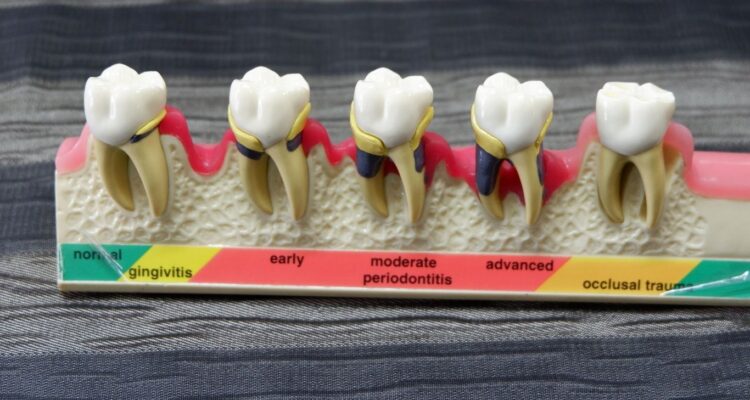
Specifically, the d4263 dental code refers to the procedure for gingival flap surgery with bone replacement grafts. This treatment is often performed to address gum issues, such as severe gum recession or periodontitis, where bone and tissue are damaged due to bacterial infection or other causes.

The Importance of the d4263 Dental Code

For dental professionals, the d4263 dental code is important because it allows them to accurately document and bill for the procedure. It ensures that the treatment is properly categorized, making it easier for insurance companies to process claims and for patients to understand what treatment they are receiving.

For patients, understanding the d4263 dental code is key to knowing what type of treatment they are receiving and how it will be covered by insurance. Since procedures like gingival flap surgery often involve multiple steps, having the right code ensures that all aspects of the treatment are billed appropriately.

When Is the d4263 Dental Code Used?

The d4263 dental code is typically used when a patient requires a gingival flap surgery with bone replacement grafts. This procedure is commonly performed in cases of severe periodontal disease or significant bone loss due to gum disease.

Here are some specific scenarios where the d4263 dental code may be used:

  • Periodontitis Treatment: When a patient has advanced periodontitis, which causes deep pockets between the teeth and gums, gingival flap surgery with bone replacement grafts may be needed to restore gum and bone health.

  • Severe Gum Recession: In cases where the gums have receded significantly, exposing the roots of the teeth, the d4263 dental code is used to address this issue and improve the appearance and function of the gums.

  • Bone Loss Due to Trauma: If a patient experiences trauma to the gums and surrounding bone, gingival flap surgery with bone grafts may be used to help rebuild the area.

How Does the d4263 Dental Code Work in Dental Billing?

Dental billing can be confusing, but understanding the d4263 dental code helps clarify the process. When a dentist performs a procedure that involves gingival flap surgery with bone replacement grafts, they use the d4263 dental code to categorize the treatment. This code is then submitted to the patient’s insurance company, which uses the code to assess whether the treatment is covered under the patient’s plan.

For insurance companies, the d4263 dental code ensures that they are accurately reimbursed for the procedure. It helps establish the complexity of the treatment, the materials used, and the time involved in completing the surgery.

The Procedure for Gingival Flap Surgery with Bone Replacement Grafts

Gingival flap surgery is a procedure used to treat severe gum disease, and it involves lifting the gum tissue away from the teeth to access the underlying bone. This allows the dentist to remove plaque, tartar, and infected tissue. Bone grafting may also be performed to replace the bone lost due to periodontitis.

Here is a breakdown of what the procedure involves:

  1. Anesthesia: The procedure begins with local anesthesia to ensure that the patient is comfortable and pain-free during the surgery.

  2. Incision: The dentist makes an incision in the gum tissue to create a flap. This allows the dentist to access the bone and tooth roots more easily.

  3. Cleaning and Debridement: The dentist thoroughly cleans the exposed area, removing any infected tissue and bacteria.

  4. Bone Grafting: If necessary, bone grafting materials are used to rebuild the bone that has been lost due to gum disease.

  5. Suturing: The gum tissue is then repositioned and sutured back in place, covering the grafted bone.

  6. Post-Operative Care: After the procedure, the dentist will provide specific care instructions to help with recovery and ensure the success of the surgery.

The Role of Bone Grafts in Gingival Flap Surgery

One of the key aspects of the d4263 dental code is the use of bone replacement grafts. Bone grafts are typically used when there is significant bone loss due to gum disease or trauma. These grafts can be made from various materials, including:

  • Autografts: Bone taken from another part of the patient’s body.

  • Allografts: Donor bone from a cadaver.

  • Xenografts: Bone taken from another species, such as cows.

  • Alloplasts: Synthetic bone materials.

The purpose of bone grafting is to restore the bone structure and create a stable foundation for the gums and teeth. Over time, the bone graft will fuse with the existing bone, promoting healing and improving the overall function of the teeth and gums.

The Benefits of Gingival Flap Surgery with Bone Replacement Grafts

The d4263 dental code is associated with a procedure that provides significant benefits for patients dealing with severe gum disease and bone loss. Some of the key advantages of gingival flap surgery with bone replacement grafts include:

  • Improved Gum Health: The surgery helps eliminate infection and restore the health of the gums, reducing the risk of further complications.

  • Bone Regeneration: Bone grafting helps regenerate lost bone, which can improve the stability of teeth and prevent further bone loss.

  • Enhanced Aesthetics: The procedure can improve the appearance of the gums, especially in cases of severe gum recession.

  • Long-Term Oral Health: By addressing the root cause of gum disease and bone loss, gingival flap surgery can prevent future dental problems and improve long-term oral health.

Is the d4263 Dental Code Covered by Insurance?

In most cases, the d4263 dental code is covered by dental insurance, but the extent of coverage will vary depending on the insurance plan. Some plans may cover the procedure fully, while others may only cover a portion of the cost. Patients should check with their insurance provider to determine their coverage and any out-of-pocket costs associated with the procedure.

Conclusion

The d4263 dental code plays an essential role in ensuring that dental treatments are accurately documented and billed. Whether you are a dental professional or a patient, understanding the meaning of this code can help navigate the world of dental insurance and procedures with greater clarity.

If you or someone you know is facing issues like severe gum disease or bone loss, it’s important to consult with a qualified dental professional who can guide you through treatment options and help determine if gingival flap surgery with bone replacement grafts is the right solution.

By understanding the d4263 dental code and its associated procedure, you’ll be better prepared for your dental journey, ensuring that you receive the care you need with minimal confusion or delay.

Does Caffeine Affect Novocaine? Its Impact on Dental Procedures

Caffeine is one of the most consumed substances worldwide. For many, a cup of coffee in the morning is an essential part of their routine. However, if you’re about to undergo a dental procedure involving novocaine, you might be wondering how your caffeine intake could impact the effectiveness of the anesthesia. In this article, we’ll explore the science behind novocaine, how caffeine affects it, and why it’s crucial to be mindful of your caffeine consumption before a dental visit.

What is Novocaine and How Does It Work?

Novocaine (procaine) is a local anesthetic commonly used in dental procedures to numb specific areas of the mouth. It blocks nerve signals, preventing pain in the treated area. Novocaine is injected directly into the gums or tissue near the targeted area, and it typically begins to take effect within minutes. It works by inhibiting sodium channels, which are essential for nerve signal transmission. This makes it a highly effective method of preventing discomfort during dental procedures like fillings, extractions, and root canals.

However, there are several factors that can impact how well novocaine works. One of the most significant of these is caffeine, which can alter the effectiveness of novocaine and make dental procedures less comfortable.

How Caffeine Affects Novocaine’s Effectiveness

Caffeine has stimulating properties that can interfere with the numbing effects of novocaine. Here’s how caffeine can affect the anesthetic:

Caffeine and Blood Flow:

Caffeine is a vasoconstrictor, which means it constricts blood vessels. When you consume caffeine, your blood vessels narrow, reducing blood flow to specific areas, including the site of the novocaine injection. As a result, the anesthesia may not be absorbed as efficiently, which can reduce its effectiveness. The slower the absorption, the less effective the numbing will be.

Faster Metabolism of Novocaine:

Another factor to consider is how caffeine can increase the metabolism of drugs in your system, including novocaine. Caffeine is known to speed up your body’s ability to break down substances, which means it can cause novocaine to be metabolized faster. This results in the anesthesia wearing off more quickly, making it necessary for your dentist to use more anesthetic to maintain the desired level of numbness throughout the procedure.

Increased Sensitivity to Pain:

Caffeine stimulates the central nervous system, which can increase sensitivity to pain. Although caffeine doesn’t directly cause pain, its stimulating effect on the nervous system can amplify your perception of discomfort, making you feel more sensitive during the dental procedure. This can make the numbing effect of novocaine seem less potent.

The Impact of Caffeine on Your Dental Appointment

For individuals who drink caffeinated beverages regularly, the effects of caffeine on novocaine can be significant. Here’s a deeper look into how caffeine consumption might influence your dental visit.

Should You Avoid Caffeine Before Your Appointment?

It’s generally recommended to avoid caffeine for at least 6 hours before your dental procedure. This ensures that the novocaine has the best chance of working effectively. If you consume caffeine too close to your appointment, you may experience reduced anesthesia, leading to discomfort during the procedure.

How Much Caffeine Is Too Much?

Even moderate caffeine consumption can potentially affect the outcome of your dental procedure. If you’re someone who drinks coffee regularly, you don’t have to completely cut it out, but it’s essential to monitor your intake. A single cup of coffee or an energy drink might not drastically affect novocaine, but anything beyond that could.

Should You Consult Your Dentist About Caffeine?

Always inform your dentist about your caffeine habits, especially if you regularly consume large amounts before a visit. Your dentist may recommend adjusting the dosage of novocaine or advise you to avoid caffeine altogether prior to the procedure.

Why Does Caffeine Have These Effects?

Understanding the science behind caffeine’s interaction with novocaine can help clarify why it’s important to avoid it before dental procedures.

Caffeine as a Vasoconstrictor:

Caffeine works by constricting blood vessels. While this is helpful in some medical contexts, it can make it harder for novocaine to be absorbed by the tissues in the area being treated. As a result, the local anesthetic may not be able to numb the area as effectively, leading to a less-than-optimal experience during your procedure.

Caffeine’s Impact on the Nervous System:

Caffeine is a stimulant that affects the central nervous system. This can interfere with the way your body responds to novocaine. While novocaine numbs the nerves in a targeted area, caffeine can make your nervous system more reactive, potentially reducing the effectiveness of the anesthetic.

Increased Metabolism of Novocaine:

Caffeine can speed up the metabolism of novocaine in your system. As your body processes the anesthetic more quickly, the numbing effect fades sooner than anticipated, which may lead to a less comfortable procedure, especially during longer treatments.

Frequently Asked Questions (FAQs)

Q1: Can I drink coffee before getting a dental injection?
A: It’s best to avoid caffeine before a dental injection as it can reduce the effectiveness of novocaine.

Q2: How long before a dental appointment should I avoid caffeine?
A: Aim to avoid caffeine for at least 6 hours before your dental procedure for optimal results.

Q3: Will one cup of coffee affect novocaine?
A: One cup of coffee is unlikely to drastically affect novocaine, but it’s still advisable to limit caffeine intake before your appointment.

Q4: Can novocaine wear off faster if I drink caffeine?
A: Yes, caffeine can cause your body to metabolize novocaine faster, leading to a quicker loss of numbness.

Q5: Should I inform my dentist if I’ve consumed caffeine?
A: Yes, always inform your dentist about your caffeine consumption so they can adjust the anesthetic dosage if necessary.

Conclusion

In conclusion, caffeine can indeed affect the effectiveness of novocaine during dental procedures. By constricting blood vessels, increasing metabolism, and stimulating the nervous system, caffeine can reduce the potency of novocaine, leading to potential discomfort during treatment. To ensure that your dental appointment goes smoothly, it’s advisable to avoid caffeine for at least 6 hours before the procedure. Always consult your dentist if you have any concerns about your caffeine consumption and its impact on your dental anesthesia.

Everything You Need to Know About the D0460 Dental Code

The d0460 dental code plays an essential role in dental billing and insurance claims. It is part of the American Dental Association’s (ADA) system of codes used to identify and describe dental procedures for accurate and efficient billing. Understanding the d0460 dental code can help dental professionals streamline their practice and ensure their services are reimbursed properly. This article will explore the definition of the d0460 dental code, its usage, and its relevance in modern dentistry.

What is the d0460 Dental Code?

The d0460 dental code is part of the Current Dental Terminology (CDT) system, which is maintained by the ADA. It refers to a specific procedure or service provided by dental practitioners. Codes like d0460 are essential for standardizing dental procedures, helping in insurance claims and administrative work.

Definition of d0460
The d0460 code typically refers to a procedure involving a comprehensive or advanced diagnostic imaging technique such as CT scans, which are used to examine the oral and maxillofacial area. These procedures are integral in diagnosing complex dental conditions, such as bone abnormalities or tumors.

Key points to remember:

  • The d0460 dental code is associated with imaging procedures.

  • It’s used primarily in advanced diagnostic cases.

  • This code helps in identifying complex dental issues that may require specialized treatment.

How is the d0460 Dental Code Used in Dental Practices?

The d0460 dental code is used by dental offices to bill insurance companies for advanced imaging services. Understanding how to use this code can prevent billing errors and ensure that dental professionals receive proper compensation for their work.

Key Benefits:

  • Ensures accurate billing for diagnostic imaging procedures.

  • Provides clarity in dental treatment plans.

  • Assists in insurance claims processing.

Procedure Flow:

  • Step 1: A patient undergoes a diagnostic imaging procedure (e.g., CT scan).

  • Step 2: The dentist uses the d0460 code when submitting the claim.

  • Step 3: The claim is processed, and reimbursement is issued accordingly.

Why is the d0460 Code Important for Dental Professionals?

Understanding the d0460 dental code is crucial for dental practices, as it helps in minimizing errors and ensuring that they are paid correctly for diagnostic services. This section explores why this code is particularly significant for practitioners and their patients.

Why It Matters:

  • Efficiency: It reduces claim rejections due to incorrect coding.

  • Accurate Compensation: Dentists are reimbursed for diagnostic imaging procedures.

  • Legal Compliance: Properly using the code ensures compliance with healthcare regulations.

Challenges Faced by Dental Professionals:

  • Incorrectly using codes may result in delays in reimbursements.

  • Some insurance providers may not fully cover diagnostic imaging unless the correct codes are used.

  • Training is required for office staff to ensure proper understanding of dental codes.

How to Implement the d0460 Code in Your Dental Practice

To use the d0460 dental code effectively in your practice, it is important to educate your staff about the code’s meaning and its application. Implementing this code involves more than just using it on insurance forms; it also requires an understanding of when and how to apply it in different patient scenarios.

Steps for Implementation:

  1. Educate Your Team: Ensure that all staff are familiar with the d0460 code and when to use it.

  2. Set Up a System: Create an efficient system for coding diagnostic imaging services.

  3. Review Insurance Requirements: Different insurance companies might have different requirements for using the d0460 code.

  4. Regular Audits: Conduct regular audits to ensure correct usage of all dental codes, including d0460.

Frequently Asked Questions (FAQs)

What is the d0460 dental code used for?
The d0460 dental code refers to advanced diagnostic imaging procedures, such as CT scans, to assess complex oral health conditions. It is essential for accurate billing and diagnosis.

How does the d0460 code affect insurance claims?
Using the correct d0460 code ensures that dental practices are reimbursed properly for diagnostic imaging services. It helps in reducing errors and speeding up the claim process.

Is the d0460 code the same across all insurance providers?
While the d0460 dental code is standardized by the ADA, different insurance providers may have specific requirements or restrictions regarding its usage.

What kind of imaging is covered under the d0460 dental code?
The d0460 code typically covers advanced imaging techniques like CT scans and other 3D imaging used for detailed examination of the teeth, jaw, and surrounding areas.

Can a patient be charged separately for the d0460 procedure?
Yes, the d0460 code can be used to charge patients for advanced diagnostic imaging services. However, the pricing and insurance coverage may vary based on the provider.

Conclusion

The d0460 dental code is an important part of the dental industry, especially for dental practices that rely on advanced diagnostic techniques. By understanding how to implement this code properly, dental professionals can ensure accurate billing, compliance, and appropriate reimbursement for services rendered. It is crucial for both dentists and office staff to stay updated on current codes and billing practices to avoid errors and delays. With the right knowledge and tools, the d0460 dental code can help streamline dental practice operations and ensure patients receive the best possible care.

Can I Use a Straw 2 Weeks After Wisdom Teeth Removal? Expert Insights

Recovering from wisdom teeth removal can be a long and sometimes painful process. Knowing when it’s safe to return to normal activities is crucial for your recovery. One common question many people ask is, “Can I use a straw 2 weeks after wisdom teeth removal?” This seemingly harmless action can, unfortunately, lead to complications if done too early. The suction created by a straw can disrupt healing, leading to issues like dry socket.

In this article, we’ll explore the risks involved with using a straw post-surgery, how long it typically takes for the extraction sites to heal, and when it might be safe to resume using straws. By the end of this article, you’ll have a clear understanding of the dos and don’ts after wisdom teeth removal and the best practices for a smooth recovery.

What Happens If You Use a Straw Too Soon After Wisdom Teeth Removal?

The idea of using a straw post-surgery might seem innocuous, but it can actually have serious consequences if done too soon. When you use a straw, the act of sucking creates a force that can disturb the blood clot formed at the extraction site. This is problematic because the blood clot is essential for healing. Dislodging the clot can lead to a painful condition known as dry socket.

Dry Socket Risk

Dry socket occurs when the blood clot either dissolves or is dislodged from the socket before healing has occurred. This leaves the bone and nerves exposed, resulting in severe pain and delayed recovery. The vacuum effect of using a straw is one of the primary causes of dry socket, especially during the first few days following surgery when the clot is still fragile.

Increased Risk of Infection

Besides the discomfort caused by dry socket, using a straw prematurely can also increase the risk of infection. Any action that disrupts the surgical site could allow bacteria to enter, leading to an infection. The extraction site remains an open wound for several days or even weeks, so it’s crucial to minimize any disturbance to this area.

Pain and Swelling

If you use a straw too soon, you might also experience increased swelling and pain around the extraction sites. The suction can force the blood clot to move, and this action could trigger a flare-up of discomfort and inflammation. Therefore, it’s best to follow your dentist’s instructions to avoid any unnecessary setbacks during your healing.

When Is It Safe to Use a Straw After Wisdom Teeth Removal?

The general advice from dental professionals is to avoid using a straw for at least 7-10 days after your wisdom teeth removal. This period allows your mouth and extraction sites to begin healing. However, as you approach the two-week mark, you may be able to reintroduce a straw into your routine—but with caution.

Understanding the Healing Timeline

  1. First 1-2 Weeks: Avoid using a straw during the first week or two. During this time, the blood clot is still fragile and at risk of being dislodged. The primary focus should be on preventing any trauma to the area.

  2. Week 3-4: If your healing is progressing well, you might be able to slowly begin using a straw. However, you should still take care not to create excessive suction.

  3. After 1 Month: By this time, most people are fully healed, and the blood clot should have been replaced by new tissue, making it safer to resume normal activities like using a straw.

Is It Safe to Use a Straw 2 Weeks After Wisdom Teeth Removal?

Now that we’ve discussed the general recovery timeline, you might be wondering if using a straw at the two-week point is safe. For most people, this is when the healing process is advanced enough that using a straw is possible. However, caution is still important.

When to Use a Straw 2 Weeks After Surgery

If you’re 14 days post-surgery and feeling relatively pain-free, it’s often okay to use a straw, but be gentle. The key is to avoid creating too much suction or applying excessive pressure to the extraction sites. Here are some key considerations when reintroducing straws:

  • Avoid Strong Suction: Instead of sucking the liquid forcefully, take small, gentle sips to avoid dislodging the clot.

  • Use a Soft Straw: Opt for soft plastic or silicone straws. Hard plastic or metal straws could be too harsh on your healing gums.

  • Monitor for Complications: Pay close attention to any swelling, increased pain, or other symptoms that could indicate the blood clot has been disturbed.

Remember that everyone’s healing process is different, so it’s important to listen to your body and consult your dentist if you’re uncertain.

Expert Advice: Post-Operative Care After Wisdom Teeth Removal

Following proper post-operative care after wisdom teeth removal is crucial to avoid complications like dry socket. Here are some expert recommendations for the first few weeks after surgery:

Rest and Hydration

After your surgery, rest is your best ally. Stay hydrated and ensure you’re drinking plenty of fluids to support the healing process. But remember, avoid using a straw in the first few days to prevent disrupting the clot. Drink from a glass or cup instead.

Ice Packs

For the first 48 hours after surgery, applying ice packs to your face can help reduce swelling. Apply the ice for 20 minutes at a time, resting between intervals. Swelling is a common side effect of wisdom teeth removal, but ice can significantly help in reducing it.

Oral Hygiene

While oral hygiene is important, be careful around the extraction site during the first few days. You should avoid brushing directly over the surgical area for the first few days. Afterward, you can gently rinse with salt water to keep the area clean. Just be careful not to rinse too vigorously, as this could disrupt the blood clot.

Pain Management

Your dentist will likely prescribe pain medications to manage any discomfort during recovery. Over-the-counter medications such as ibuprofen may also help. Always follow the prescribed dosage and instructions for pain relief.

FAQs

Q1: Can I use a straw the day after my wisdom teeth removal?
No, you should avoid using straws for at least the first 7-10 days to prevent complications such as dry socket.

Q2: What can I drink after wisdom teeth removal?
Stick to cool, soft liquids like water, smoothies, and broths. Avoid hot beverages and alcohol, as they can irritate the healing sites.

Q3: How long should I avoid using a straw after wisdom teeth removal?
It’s advisable to avoid using a straw for at least 10 days after surgery, but after that, you may gently begin using one if your recovery is going well.

Q4: Is it common to experience dry socket after using a straw?
Yes, using a straw too soon can increase the risk of dry socket, which occurs when the blood clot dislodges prematurely.

Q5: Can I still eat solid foods after 2 weeks of wisdom teeth removal?
Yes, after 2 weeks, you can generally resume eating soft foods, but avoid chewing near the extraction sites until you are fully healed.

Conclusion

In conclusion, using a straw 2 weeks after wisdom teeth removal is generally safe, but caution is needed. The first few days following your surgery are critical for proper healing, so it’s important to avoid using straws until your gums have begun to heal. After 2 weeks, if you’re healing well, you can gently reintroduce straws, but take care not to disrupt the healing process by creating excessive suction.

By following proper post-operative care and listening to your body, you can enjoy a smooth recovery without complications like dry socket or infection.

How Long Does It Take for IV Sedation to Kick In

Intravenous (IV) sedation is one of the most effective and commonly used methods for calming patients during medical or dental procedures. The main advantage of IV sedation is that it works quickly, allowing healthcare providers to administer the right amount of sedative and maintain a controlled, safe level of sedation throughout the procedure. But how long does it take for IV sedation to kick in? This is a common question that many patients ask before undergoing sedation.

The truth is, the time it takes for IV sedation to take effect can vary depending on several factors. In this guide, we’ll explore what IV sedation is, how it works, the factors influencing how quickly it takes effect, and what you can expect during and after the procedure. Whether you’re about to undergo a dental cleaning, wisdom tooth extraction, or a more invasive surgery, understanding the sedative process can help you feel more at ease.

What Is IV Sedation and How Does It Work?

Overview of IV Sedation

IV sedation involves administering sedative drugs directly into the bloodstream through a vein, typically in your arm or hand. This method ensures the sedative acts quickly because it bypasses the digestive system and goes straight into the bloodstream. Unlike oral medications, which need to be digested and metabolized before they can take effect, IV sedation provides near-instantaneous relief.

IV sedation is used in a wide range of procedures, from minor dental work to major surgeries. The primary purpose is to help patients relax, alleviate anxiety, and make the procedure more comfortable. In some cases, the goal is to keep the patient awake but calm, while in others, it might induce a deep sleep-like state, allowing the surgeon or dentist to work more efficiently and comfortably.

How IV Sedation Differs from Other Sedation Methods

IV sedation differs significantly from oral sedation and nitrous oxide (laughing gas). Oral sedation, for example, takes longer to take effect because the medication must pass through the digestive system. Nitrous oxide is fast-acting but wears off almost immediately after administration stops. IV sedation, however, offers a controlled level of sedation that can last the entire length of the procedure, ensuring that patients remain calm, comfortable, and unaware of any discomfort.

For dental and medical professionals, IV sedation allows them to manage the level of sedation more precisely, adjusting it as needed during the procedure.

Factors That Affect the Onset of IV Sedation

There are several key factors that can influence how quickly IV sedation begins to take effect. These factors include the type of sedative used, the patient’s body weight and metabolism, any pre-existing health conditions, and the speed at which the drug is administered.

Type of Sedative Used

Not all sedatives are created equal. The specific sedative administered during your procedure plays a significant role in how fast it takes effect. Some commonly used sedatives include:

  • Midazolam: A fast-acting sedative that is commonly used for dental procedures and other minor surgeries. It usually takes effect within 1-3 minutes after injection.

  • Propofol: Known for its rapid onset, propofol is often used for more invasive surgeries. Its effects are felt within minutes.

  • Diazepam (Valium): This sedative is used for longer procedures, and while it still works quickly, its effects might be slightly more gradual compared to others.

The exact time it takes for sedation to kick in depends on the drug used. Some sedatives start working within seconds, while others may take a few minutes.

Patient’s Weight and Metabolism

Your body weight and metabolism can significantly influence how quickly the sedative reaches its peak effect. Individuals with a higher body fat percentage may experience a slower onset of sedation since fat cells can store the sedative for longer periods. Conversely, individuals with a higher muscle mass or faster metabolism may feel the effects sooner.

Pre-Existing Health Conditions

Certain health conditions can slow down or speed up the process of how the body absorbs and metabolizes IV sedatives. Liver or kidney issues, for example, may delay the breakdown of sedatives, causing the drug to take longer to take effect. Other conditions, like obesity or diabetes, may affect how the sedative is absorbed into the bloodstream.

Dosage and Administration Speed

The dosage and the speed at which the sedative is administered can also impact the onset time. If a higher dose is given, or the sedative is delivered more rapidly, patients may feel the effects quicker. However, if the dosage is lower or the sedative is delivered slowly, it may take longer to feel the effects.

General Timeframe for IV Sedation to Kick In

For most patients, IV sedation takes effect within 1 to 3 minutes. This makes it a preferred choice for those needing quick and effective sedation. You’ll typically begin to feel the effects almost immediately, with the first signs being a sense of relaxation or drowsiness.

While the onset is rapid, the duration of sedation can vary. For minor procedures, the sedation might wear off after about 30 minutes to an hour. For longer procedures, the effects can last several hours, especially if additional doses are administered throughout the procedure.

What to Expect During and After IV Sedation

Physical Sensations During IV Sedation

Most patients report feeling relaxed and calm once the sedative begins to take effect. Depending on the dosage, the experience can range from feeling drowsy and sleepy to feeling completely unconscious. Some patients also report experiencing a mild euphoria or a sense of detachment, making the procedure feel less intrusive.

The good news is that because IV sedation works so quickly, there is usually very little anxiety before the procedure begins. The sedative takes away the fear of needles or discomfort, allowing you to be more at ease during the treatment.

Duration of Effects

As the sedative wears off, most people start to feel awake and alert within 1-2 hours after the procedure. However, it’s important to note that while you may appear awake, the sedative’s effects may still be lingering. You may feel groggy, dizzy, or somewhat disoriented immediately after the procedure. It’s also common to experience memory gaps, especially if a higher dose was used.

Possible Side Effects

While side effects are rare, some patients may experience:

  • Nausea or Vomiting: Some individuals may feel mildly nauseous after the sedation wears off.

  • Dizziness or Lightheadedness: Due to the effects of the sedative, you may feel unsteady after the procedure.

  • Confusion or Disorientation: The sedative can cause mild confusion, which usually resolves as it leaves your system.

Frequently Asked Questions (FAQs)

1. How long does IV sedation last?

The duration of IV sedation depends on the type of sedative and the length of the procedure. Generally, it lasts between 30 minutes to several hours, with the effects fading as the sedative wears off.

2. Can IV sedation make you forget the procedure?

Yes, many sedatives used in IV sedation cause amnesia, so patients often have little to no memory of the procedure itself. This is one of the reasons it’s preferred for procedures that may cause anxiety.

3. Is IV sedation safe?

IV sedation is safe when administered by a trained professional. It is closely monitored during the procedure, and safety measures are in place to ensure the patient’s health and well-being.

4. Can I drive after IV sedation?

No, you should not drive after receiving IV sedation. The sedative can impair your judgment, reaction time, and coordination, which makes it unsafe to operate a vehicle.

5. How quickly do I recover from IV sedation?

Recovery from IV sedation varies but typically takes between 1-2 hours. Afterward, you may still feel groggy, and it’s important to have someone accompany you home.

6. What should I avoid after IV sedation?

Avoid consuming alcohol, operating heavy machinery, and engaging in strenuous activities for at least 24 hours. Additionally, rest and stay hydrated to help your body recover from the sedation.

Conclusion

IV sedation is a powerful tool used to help patients undergo medical and dental procedures with minimal discomfort. The sedative typically takes effect within 1 to 3 minutes, depending on the type of drug used and other factors such as your body weight, metabolism, and overall health. The fast-acting nature of IV sedation makes it ideal for procedures that require patients to be relaxed and pain-free, yet awake and aware during the process.

While the sedative’s effects are generally safe, always ensure you have a trusted medical professional administering the sedation and monitoring your health throughout the procedure. Post-sedation recovery is typically smooth, but be prepared for a period of grogginess as the sedative wears off. Always follow the aftercare instructions provided by your healthcare provider to ensure a safe and swift recovery.

What is Aesthetics in Beauty? Exploring the Key Concepts

In the modern world, beauty is not just about physical appearance; it encompasses the essence of what makes someone feel confident, comfortable, and empowered. Aesthetics in beauty refers to the principles and elements that contribute to the visual appeal, harmony, and style of an individual. This concept goes beyond just applying makeup or styling hair; it’s about the thoughtful design and perception of beauty in all its forms.

In this article, we will dive into the key elements of aesthetic beauty, the role of aesthetics in the beauty industry, and how people can embrace their unique aesthetics to express themselves confidently.

What is Aesthetic Beauty?

Aesthetics, in the context of beauty, involves the artistic qualities of appearance, which may include symmetry, harmony, and proportions. It’s the visual balance that captivates attention, making someone appear visually appealing. In today’s context, aesthetics play a huge role in shaping beauty standards, influencing how people dress, style their hair, and wear makeup.

The Evolution of Aesthetic Beauty

From the classical ideals of beauty, which were deeply rooted in proportions and symmetry, to modern interpretations that emphasize individuality and self-expression, aesthetic beauty has undergone significant transformations. The beauty industry now celebrates diversity and unique features while still holding on to certain timeless aesthetic ideals.

The Influence of Aesthetic Beauty in Modern Trends

Beauty Aesthetic Trends

In the beauty industry, trends are largely driven by aesthetics. From minimalism in makeup to bold and dramatic looks, trends fluctuate with the collective preferences of society. Social media platforms like Instagram, TikTok, and Pinterest have created space for influencers to showcase new beauty aesthetics, promoting both traditional and contemporary approaches.

Natural Aesthetics vs. Glam Aesthetics

The contrast between natural beauty and glamorous, exaggerated beauty is prevalent in today’s world. Both have their place, and many people alternate between these aesthetics depending on their mood, occasion, or environment. Understanding your personal style and aesthetic can help you decide how you present yourself to the world.

Embracing Your Own Aesthetic

How to Find Your Aesthetic in Beauty

Discovering your unique aesthetic can be an empowering experience. It’s not about following trends but about finding what makes you feel comfortable and confident. From clothing choices to makeup techniques, finding your beauty aesthetic allows you to express yourself authentically.

The Impact of Aesthetics on Confidence

There is a deep connection between aesthetics and self-esteem. When people feel that their appearance reflects their inner selves, they are more likely to feel confident and empowered. Beauty aesthetics are not about conforming to societal standards but about finding ways to celebrate your individuality.

The Role of Aesthetic Beauty in the Beauty Industry

Aesthetic Beauty in Makeup and Skincare

The beauty industry thrives on aesthetic appeal. Makeup brands focus on creating products that enhance visual beauty while skincare products aim to improve the overall health and radiance of the skin. Both are driven by the idea of aesthetic enhancement, as they help people look and feel their best.

Aesthetic Beauty in Fashion

Fashion is another area where aesthetics play a significant role. Clothes, accessories, and hairstyles can all be used to enhance one’s overall appearance and contribute to an aesthetic. Fashion aesthetics involve selecting pieces that express personality, creativity, and style.

Frequently Asked Questions (FAQs)

Q1: What is the difference between natural beauty and aesthetic beauty?
A1: Natural beauty is typically focused on the inherent features that someone has without much alteration, while aesthetic beauty refers to the application of certain visual elements, like makeup or styling, to enhance one’s appearance based on personal or societal preferences.

Q2: How do beauty aesthetics influence modern fashion trends?
A2: Beauty aesthetics, especially in makeup and hairstyling, influence fashion by dictating what looks are considered stylish or trendy. For example, the “no-makeup makeup look” has influenced minimalist clothing styles, whereas bold, graphic makeup often pairs with dramatic, avant-garde fashion.

Q3: Can I change my beauty aesthetic over time?
A3: Yes! Your beauty aesthetic can evolve as you discover new aspects of yourself or as trends shift. Embracing a dynamic approach to beauty aesthetics allows you to experiment with different looks and styles.

Q4: How does beauty aesthetics affect confidence?
A4: When people align their appearance with their personal aesthetic, it can boost their self-esteem and confidence. Feeling authentic in one’s beauty choices can have a positive effect on how an individual carries themselves.

Q5: Is it necessary to follow beauty trends to look aesthetically pleasing?
A5: No, beauty aesthetics are personal. While trends can inspire you, it’s important to cultivate a style that makes you feel good about yourself rather than simply conforming to external standards.

Q6: How can I discover my own beauty aesthetic?
A6: Experiment with different looks, take inspiration from others, and reflect on what makes you feel confident. Your aesthetic should align with your personality and allow you to express yourself freely.

Conclusion

Aesthetics in beauty is not just about meeting societal standards or following trends; it’s about finding what makes you feel good. Whether you are drawn to bold, colorful makeup or prefer a more natural look, embracing your aesthetic is an act of self-expression. Beauty standards may continue to evolve, but the foundation of aesthetic beauty remains: it’s about creating balance, confidence, and individuality.

Finding the Best Orthodontist in Dearborn: Your Ultimate Guide to Perfect Smiles

Are you looking for an orthodontist in Dearborn who can help you achieve the perfect smile? Whether you need braces, Invisalign, or other orthodontic treatments, choosing the right professional is crucial for both your dental health and aesthetics. In this article, we’ll explore the best orthodontists in Dearborn, what to expect during your treatment, and why it’s important to consult an experienced orthodontic specialist.

Why You Need an Orthodontist in Dearborn

Orthodontics is a branch of dentistry that focuses on diagnosing, preventing, and treating dental and facial irregularities. If you have crooked teeth, bite issues, or other alignment problems, seeing an orthodontist is the key to achieving a healthier and more beautiful smile. A skilled orthodontist in Dearborn can help you:

  • Correct alignment issues with braces or aligners

  • Improve the functionality of your teeth and bite

  • Boost your confidence with a straight, beautiful smile

Choosing a trusted orthodontist is vital for ensuring effective and comfortable treatment. Let’s dive into what makes Dearborn’s top orthodontists stand out.

What to Look for in a Dearborn Orthodontist

When searching for an orthodontist in Dearborn, there are several factors to consider:

1. Credentials and Experience

It’s important to choose an orthodontist who is not only licensed but also has extensive experience. Look for specialists who are members of the American Association of Orthodontists (AAO). This ensures that they stay updated on the latest treatment techniques and innovations.

2. Variety of Treatments

The best orthodontists offer a range of treatment options. From traditional metal braces to clear aligners like Invisalign, your orthodontist should tailor the treatment to suit your needs, preferences, and budget.

3. Advanced Technology

Orthodontics has come a long way in recent years, with technology playing a big role in improving patient outcomes. Modern orthodontists in Dearborn should use advanced imaging and diagnostic tools like 3D scans to plan and track your treatment more accurately.

4. Patient-Centered Care

Orthodontic treatment can take time, and it’s important that your orthodontist makes the process as comfortable and convenient as possible. Look for a practice that emphasizes patient education, clear communication, and offers flexible scheduling options.

5. Patient Reviews and Testimonials

Reading reviews from other patients is one of the best ways to gauge the quality of service provided by an orthodontist. Look for practices with positive feedback on their ability to deliver great results while maintaining a welcoming, professional environment.

Types of Orthodontic Treatments in Dearborn

Orthodontists in Dearborn offer a variety of treatment options to suit different needs. Here’s a look at some of the most popular treatments available:

1. Traditional Braces

Traditional braces are the most well-known orthodontic treatment. They consist of metal brackets and wires that are gradually adjusted to move the teeth into alignment. They are highly effective for treating severe misalignment issues and are suitable for patients of all ages.

2. Invisalign

Invisalign is a popular alternative to traditional braces, especially for adults and teenagers. It involves using clear, removable aligners to gradually shift teeth into place. Invisalign is discreet, comfortable, and requires fewer visits to the orthodontist for adjustments.

3. Lingual Braces

Lingual braces are similar to traditional braces, but the brackets are placed on the inside of the teeth, making them invisible from the outside. They offer the same effectiveness as traditional braces, but with a more discreet appearance.

4. Clear Braces

Clear braces work similarly to metal braces, but the brackets are made of ceramic materials that blend in with your teeth. This makes them less noticeable, making them a popular choice for those who want the effectiveness of traditional braces but with a more aesthetic appearance.

5. Retainers

After your orthodontic treatment is complete, you will likely need to wear a retainer to ensure that your teeth stay in their new position. Retainers can be fixed or removable, depending on your orthodontist’s recommendation.

The Benefits of Choosing a Dearborn Orthodontist

Choosing the right orthodontist in Dearborn can have a significant impact on your overall experience and the results you achieve. Here are some of the benefits of opting for a top-rated orthodontic practice:

1. Customized Treatment Plans

A good orthodontist will tailor your treatment plan to fit your unique needs. Whether you need traditional braces or prefer the convenience of Invisalign, your orthodontist will ensure that the treatment works for your specific dental concerns.

2. Enhanced Confidence

Straightening your teeth not only improves your smile but can also enhance your self-esteem. Many patients report feeling more confident and comfortable in social situations after completing their orthodontic treatment.

3. Improved Oral Health

Orthodontic treatment isn’t just about cosmetic improvement; it also contributes to better oral health. Correcting misalignments and bite issues can reduce your risk of developing dental problems such as cavities, gum disease, and jaw pain.

4. Long-Term Results

Orthodontic treatment helps ensure that your teeth stay in the right position for years to come. Proper alignment reduces the risk of future dental complications, making it a worthwhile investment in your long-term health.

What to Expect During Your Visit to an Orthodontist in Dearborn

Your first visit to an orthodontist will involve a thorough consultation. Here’s what to expect:

  • Initial Assessment: The orthodontist will examine your teeth and discuss your dental goals. X-rays or 3D imaging may be used to better understand the alignment of your teeth and jaw.

  • Treatment Plan: After the assessment, your orthodontist will recommend a personalized treatment plan. This may involve braces, clear aligners, or other solutions.

  • Cost Estimate: The orthodontist will provide you with a breakdown of the costs involved in your treatment. Many practices offer payment plans to make orthodontic care more affordable.

  • Scheduling: Once you decide on a treatment plan, you’ll schedule regular follow-up appointments to monitor your progress and make adjustments as needed.

FAQs

How long will my orthodontic treatment take?
The duration of treatment depends on the type of treatment and the severity of your alignment issues. Most treatments take anywhere from 12 to 36 months.

Are there age restrictions for orthodontic treatment?
No, orthodontic treatment can be done at any age. Many adults opt for braces or Invisalign to improve their smiles.

How much do orthodontic treatments cost in Dearborn?
Costs vary depending on the type of treatment you choose. Traditional braces are typically more affordable, while Invisalign may cost more. Your orthodontist will provide an estimate after your initial consultation.

Is Invisalign as effective as traditional braces?
Invisalign is just as effective for many cases, but may not be suitable for severe orthodontic issues. Your orthodontist will help you decide which option is best for you.

Conclusion

Finding a skilled orthodontist in Dearborn is the first step toward achieving the smile you’ve always wanted. With the right treatment plan, you can enjoy improved oral health, boosted confidence, and long-lasting results. Whether you choose traditional braces, Invisalign, or another treatment option, the right orthodontist will guide you every step of the way.

Take the time to research and find the best orthodontist for your needs—your smile is worth it!

Related Post